
in-lite recessed lights
-
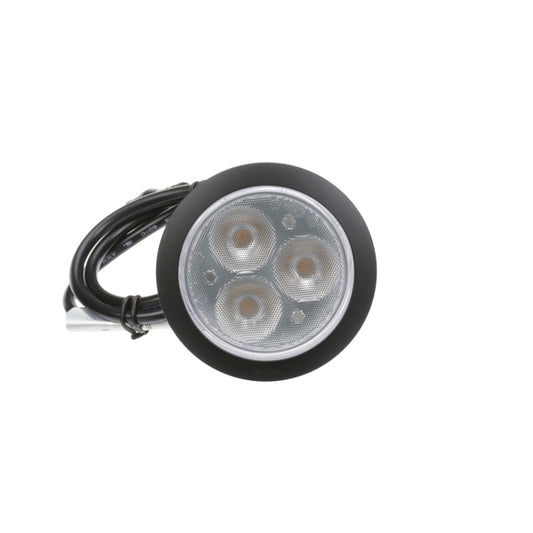
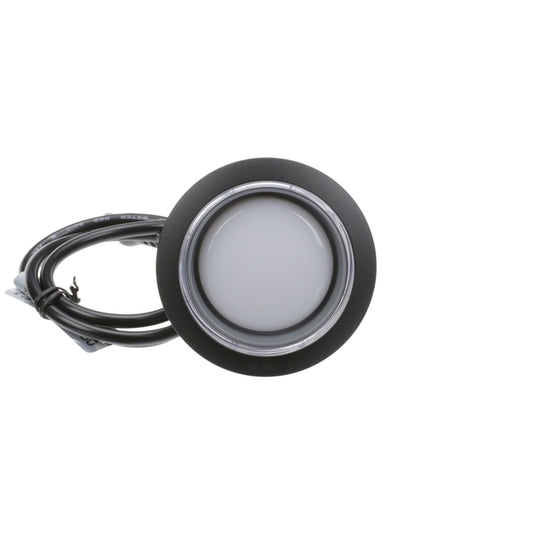
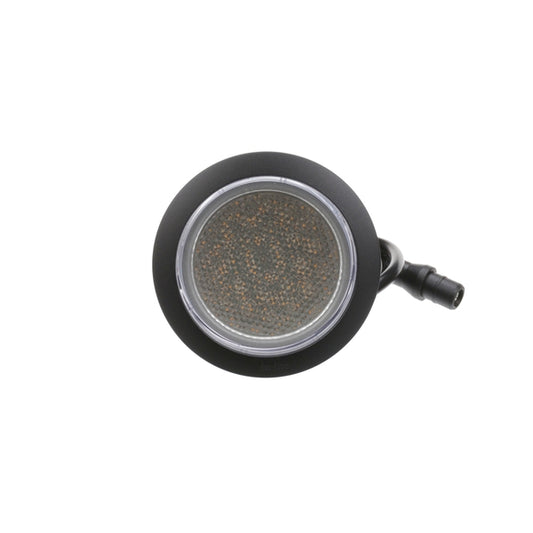
in-lite | FLUX 60 Black | Recessed lights
Regular price €108,10Regular price -
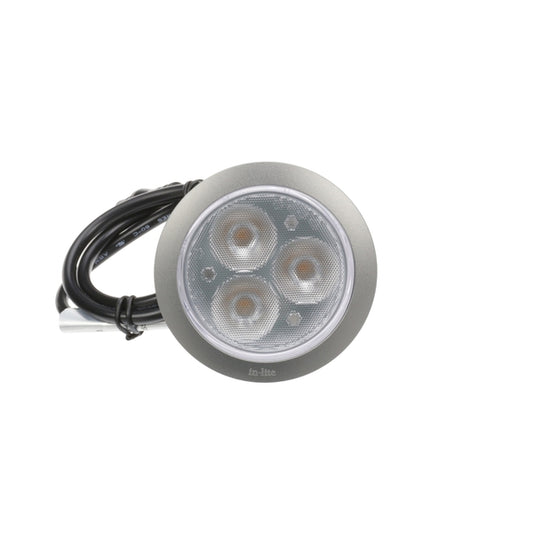
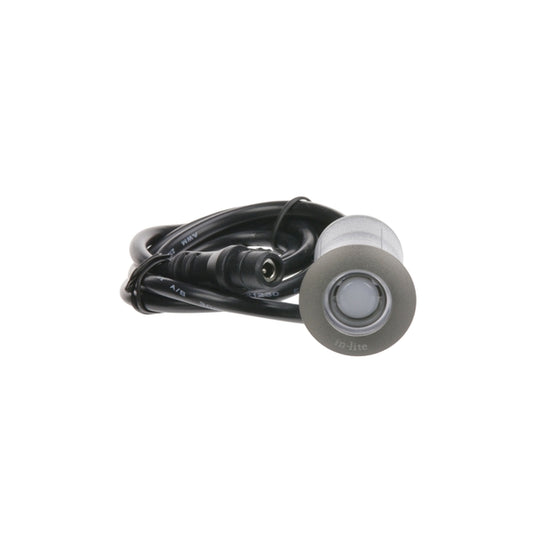
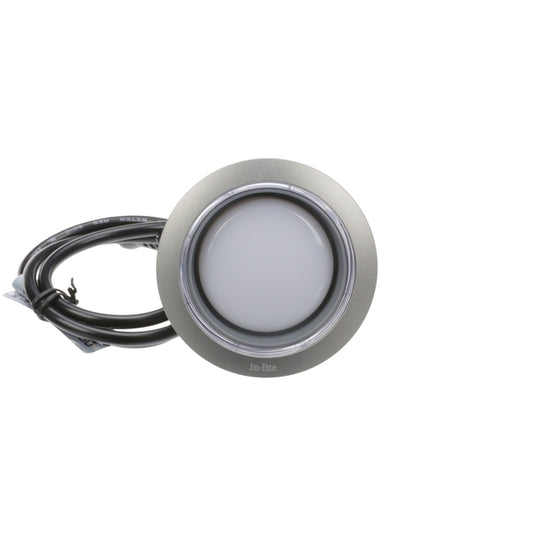
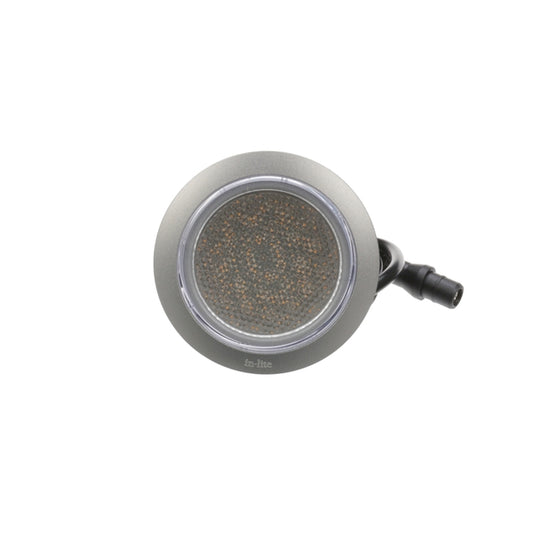
in-lite | FLUX 60 Pearl Grey | Recessed lights
Regular price €108,10Regular price -
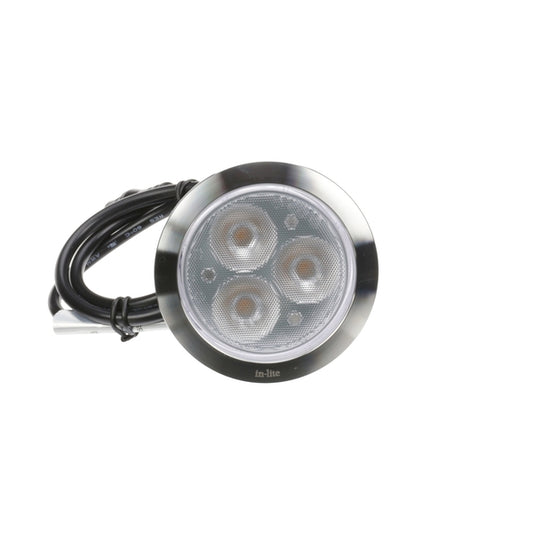
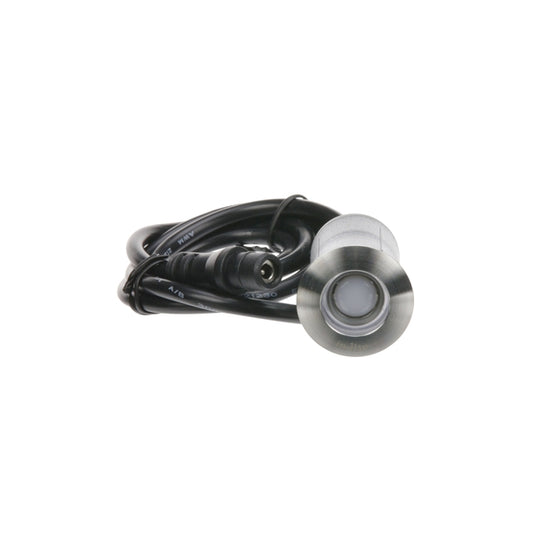
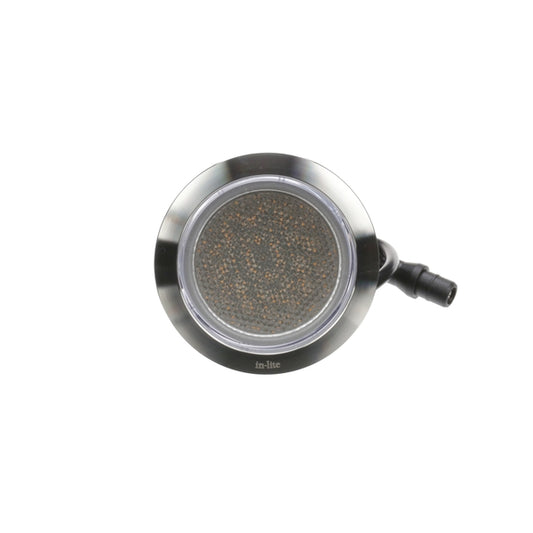
in-lite | FLUX 60 Stainless Steel | Recessed lights
Regular price €108,10Regular price -
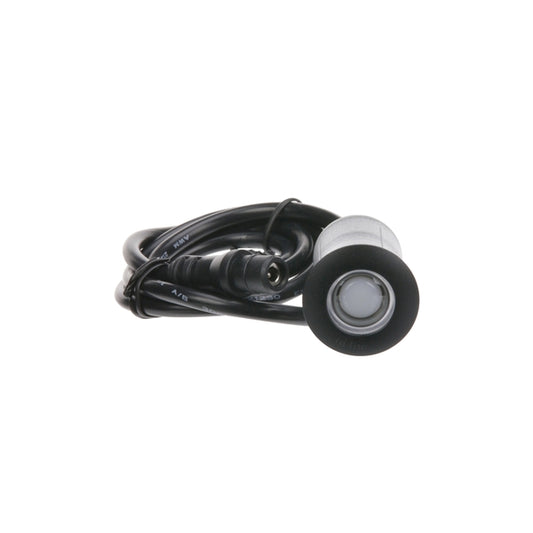
in-lite | FUSION 22 Black | Recessed lights
Regular price €69,42Regular price -
in-lite | FUSION 22 Pearl Grey | Recessed lights
Regular price €69,42Regular price -
in-lite | FUSION 22 Stainless Steel | Recessed lights
Regular price €69,42Regular price -
in-lite | FUSION 60 Black | Recessed lights
Regular price €108,10Regular price -
in-lite | FUSION 60 Pearl Grey | Recessed lights
Regular price €108,10Regular price -
in-lite | FUSION 60 Stainless Steel | Recessed lights
Regular price €108,10Regular price -
in-lite | HYVE 22 Black | Recessed lights
Regular price €69,42Regular price -
in-lite | HYVE 22 Pearl Grey | Recessed lights
Regular price €69,42Regular price -
in-lite | HYVE 22 Stainless Steel | Recessed lights
Regular price €69,42Regular price -
in-lite | HYVE 60 Black | Recessed lights
Regular price €108,10Regular price -
in-lite | HYVE 60 Pearl Grey | Recessed lights
Regular price €108,10Regular price -
in-lite | HYVE 60 Stainless Steel | Recessed lights
Regular price €108,10Regular price -
in-lite | DOT 22 | Recessed lights
Regular price €63,47Regular price -
in-lite | DOT 22 Black | Recessed lights
Regular price €79,84Regular price -
in-lite | DOT 22 Pearl Grey | Recessed lights
Regular price €79,84Regular price -
in-lite | DOT 22 Stainless Steel | Recessed lights
Regular price €79,84Regular price -
in-lite | FUSION 22 | Recessed lights
Regular price €59,51Regular price -
in-lite | HYVE 22 | Recessed lights
Regular price €59,51Regular price -
in-lite | DB-LED Warm White | Recessed lights
Regular price €50,58Regular price -
in-lite | PUCK 22 Dark | Recessed lights
Regular price €74,38Regular price -
in-lite | PUCK 22 Pearl Grey | Recessed lights
Regular price €74,38Regular price -
in-lite | DOT Black | Recessed lights
Regular price €142,81Regular price -
in-lite | DOT Pearl Grey | Recessed lights
Regular price €142,81Regular price -
in-lite | DOT Stainless Steel | Recessed lights
Regular price €142,81Regular price -
in-lite | NERO | Recessed lights
Regular price €157,68Regular price -
in-lite | BIG NERO | Recessed lights
Regular price €241,98Regular price -
in-lite | BIG NERO NARROW | Recessed lights
Regular price €241,98Regular price -
in-lite | PUCK Pearl Grey | Recessed lights
Regular price €127,93Regular price -
in-lite | PUCK Dark | Recessed lights
Regular price €127,93Regular price -
in-lite | LUNA Black | Recessed lights
Regular price €147,77Regular price -
in-lite | LUNA Pearl Grey | Recessed lights
Regular price €147,77Regular price -
in-lite | LUNA Stainless Steel | Recessed lights
Regular price €147,77Regular price -
in-lite | BIG FLUX Black | Recessed lights
Regular price €162,65Regular price









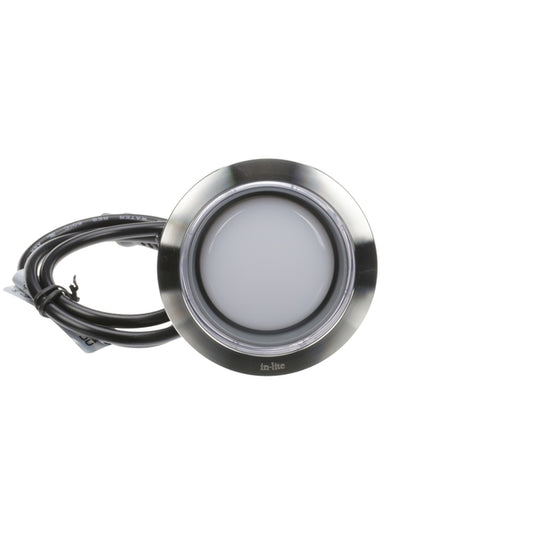

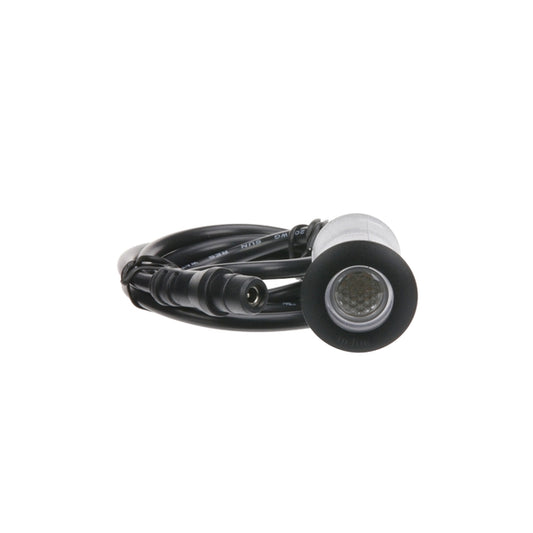

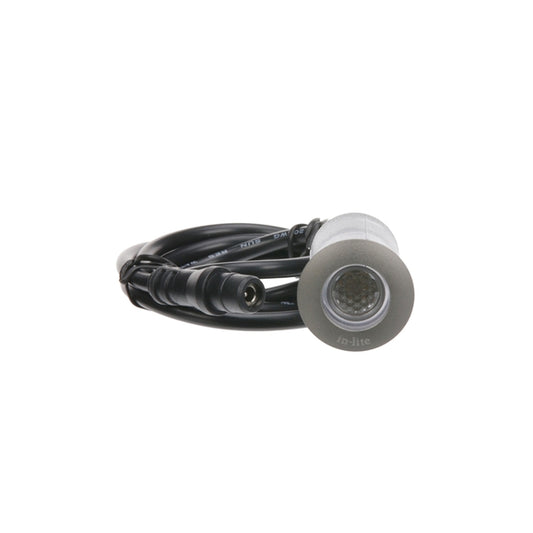

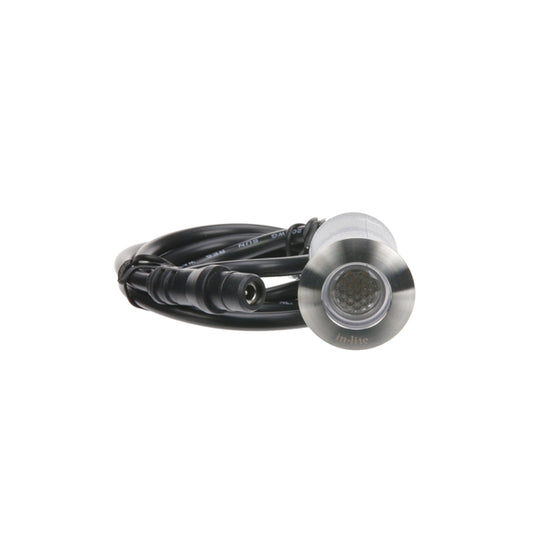
























Which in-lite recessed light should I choose?
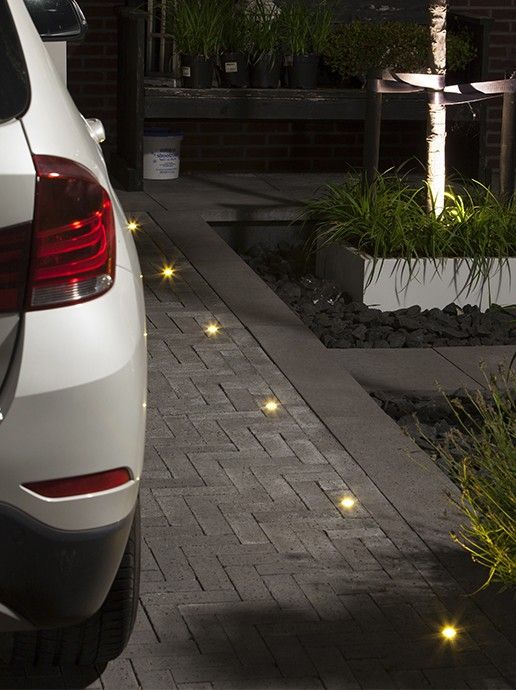
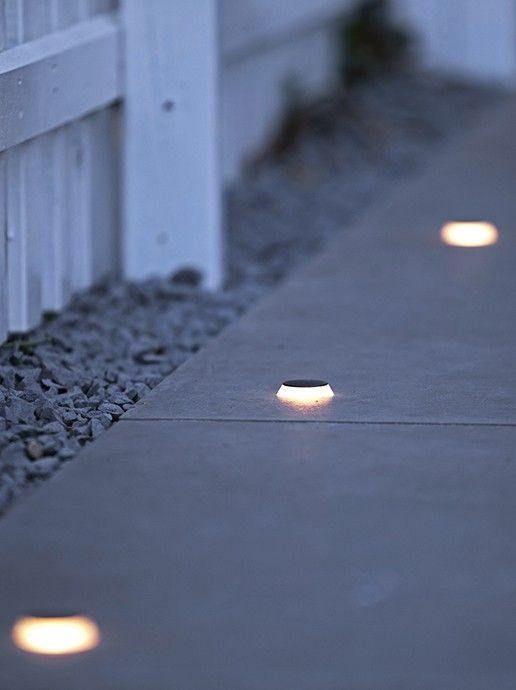
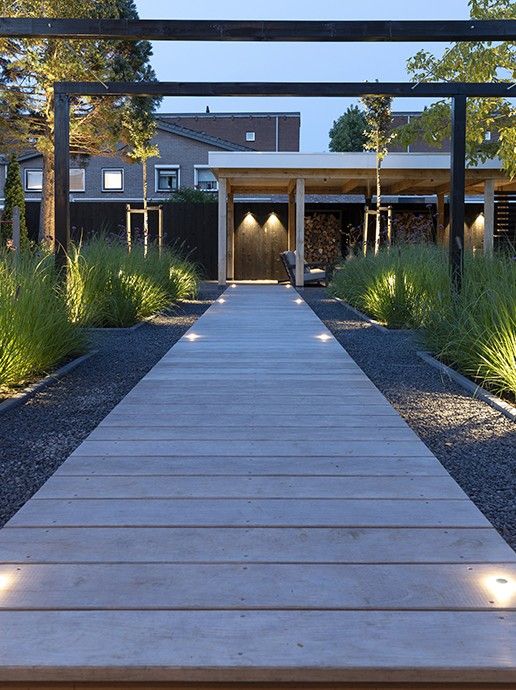
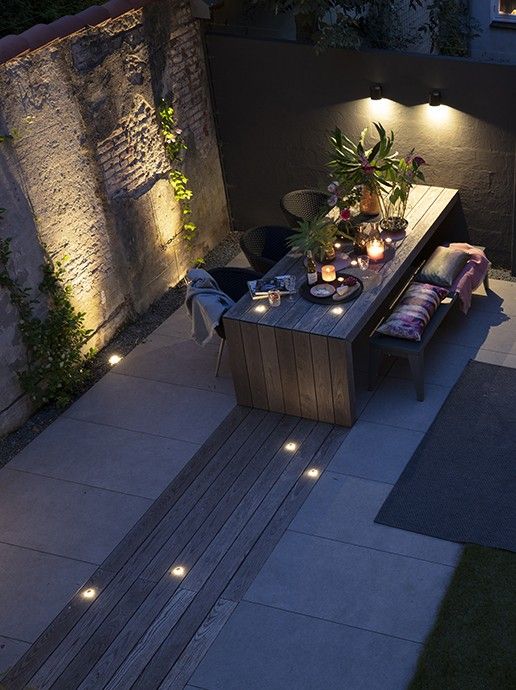
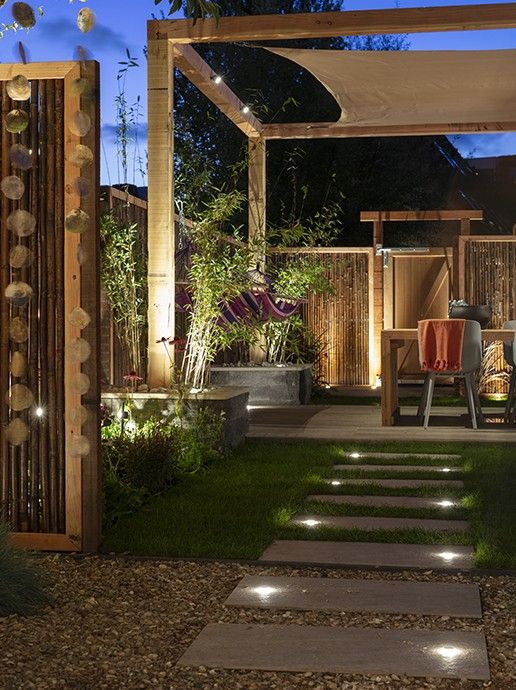
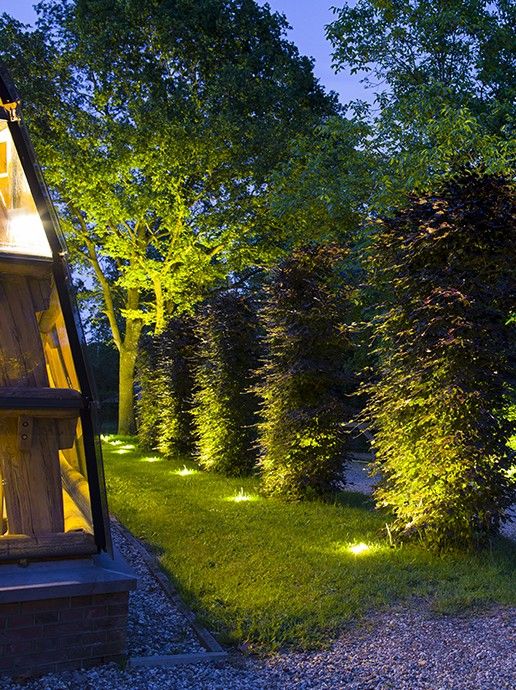
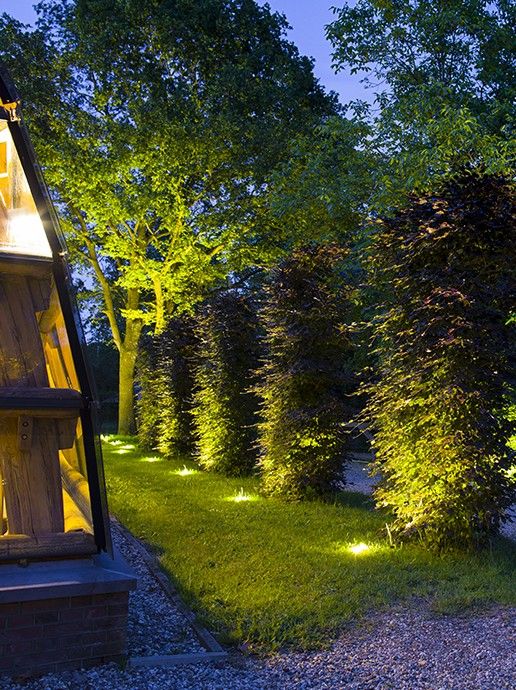
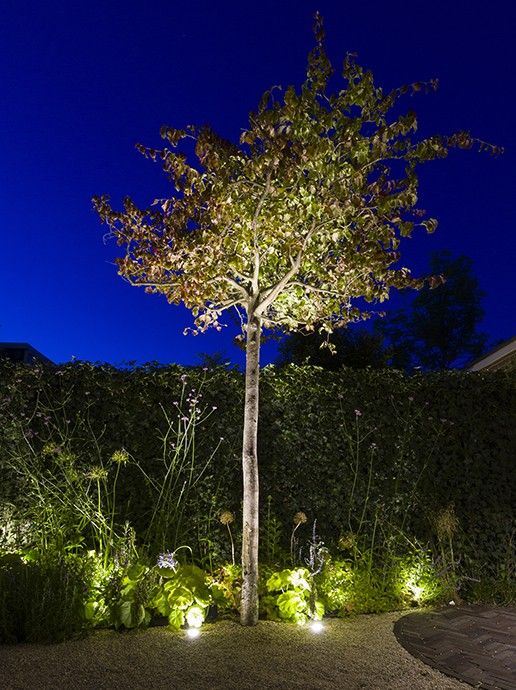
in-lite recessed lights can provide subtle orientation lighting or powerful uplighting while remaining discreetly integrated into paving, decking, or other surfaces. The key differences are light direction, beam angle, brightness, and glare control. Use the comparison below to distinguish between fixtures for paths and terraces and models designed to illuminate trees, walls, and façades.
| If you want to... | Recommended in-lite recessed lights | Why these lights fit |
|---|---|---|
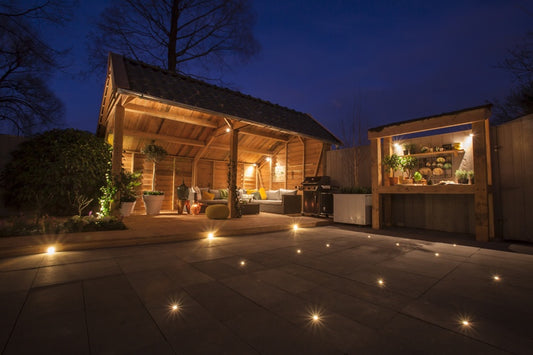
| Create small, subtle light points in paving, decking or steps | in-lite FUSION 22, HYVE 22, DOT 22, and DB-LED | These compact in-lite recessed lights integrate discreetly into the surface and are well suited to subtle marking and orientation lighting |
| Add orientation lighting along paths, terraces, or driveways | in-lite FUSION 60, HYVE 60, and PUCK | These fixtures create more visible ground-level orientation lighting, with different light effects ranging from soft and diffuse to light spread across the surrounding surface |
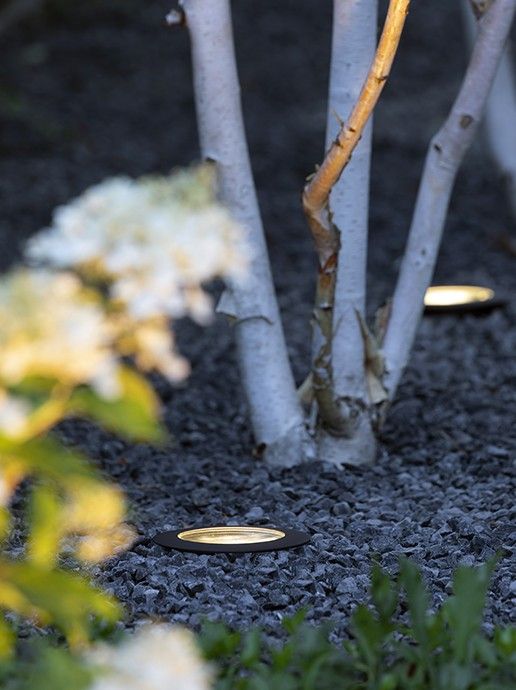
| Illuminate planting, trees or garden features from below | in-lite FLUX and BIG FLUX | These in-lite recessed spotlights direct light upwards, with the BIG FLUX offering different beam options for larger features and applications |
| Create stronger uplighting for large trees and prominent garden features | in-lite NERO, BIG NERO, and BIG NERO NARROW | The NERO series is designed for more powerful, focused recessed lighting where larger trees and objects require greater visual emphasis |
| Illuminate walls, façades or hedges from a recessed position | in-lite LUNA, BIG FLUX ASYMMETRIC, and EVO FLOOD | These fixtures provide angled, asymmetric, or broader light distributions that make them suitable for illuminating vertical or wider surfaces |
| Add clean, architectural lighting to paving or decking | in-lite EVO GROUND 300 | Its elongated 30 x 3 cm design creates a distinctly linear appearance and integrates neatly into modern paving and wooden terraces |
Should I choose 22 mm or 60 mm recessed lights?
Compact 22 mm recessed lights such as the FUSION 22, HYVE 22 and DOT 22 are ideal when you want small, discreet points of light in paving, decking, or steps. Larger 60 mm fixtures have a more noticeable presence and work well as orientation lighting around paths, terraces, and driveways. Size is only part of the choice: models within each format offer different light distributions.
Choose the right lighting effect
Recessed lights with a similar size can create very different effects. The FUSION and HYVE work well as orientation lighting, with the FUSION producing a soft diffused glow and the HYVE creating a more distinctive light pattern. The PUCK spreads subtle light across the surrounding ground surface, making it useful for marking routes and edges.
For upward accent lighting, the FLUX and BIG FLUX direct light towards planting, trees, and other garden features. Different beam options within the BIG FLUX range make it possible to adapt the effect to larger or more specific applications.
For vertical and architectural surfaces, the LUNA, EVO GROUND and EVO FLOOD provide angled, linear, or broader lighting effects.
When should I choose a recessed light with a SHIELD?
A SHIELD version partially covers the light source, reducing direct glare and directing the light more clearly across the surrounding surface. This makes it useful alongside paths, steps, and terraces where the viewing direction matters.
The FUSION 22 SHIELD, HYVE 22 SHIELD, and FLUX 22 SHIELD combine this directional effect with the lighting characteristics of their respective series, allowing you to choose the light effect that best suits your needs.
Recessed lights for trees, planting and walls
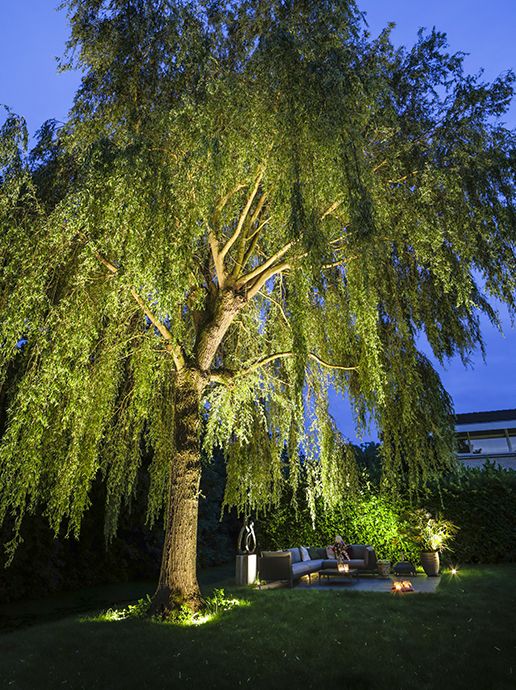
For trees and planting, choose the beam according to the size and proportions of the feature. The FLUX works well for upward accent lighting, while the BIG FLUX and NERO are powerful enough for larger trees and more prominent garden features. A NARROW beam can emphasise height, while the BIG FLUX ASYMMETRIC distributes light across a wider area.
For walls, façades, and hedges, an angled or asymmetric light distribution can be more suitable than a standard upward beam. The LUNA directs light at an angle, while the BIG FLUX ASYMMETRIC is designed for broader vertical surfaces.
Expert advice: Match the beam to the proportions of the feature you want to illuminate. A narrow beam can emphasise height, while a wider or asymmetric distribution can provide a more even effect across broad surfaces.
Positioning recessed lights in your garden
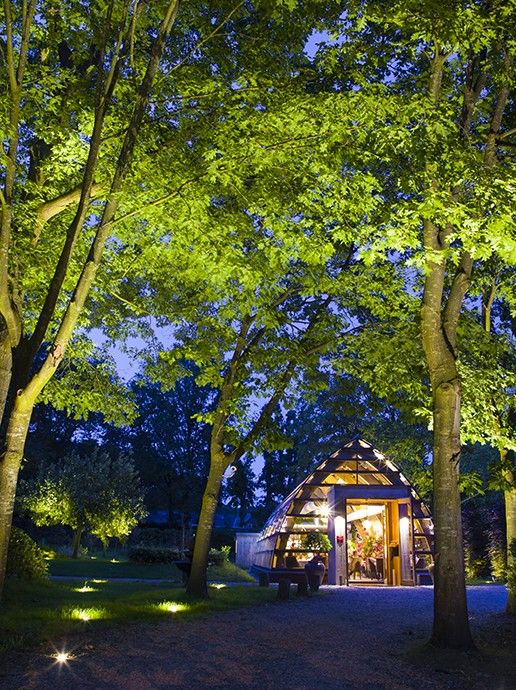
Position recessed lights according to their purpose rather than simply distributing them at equal intervals. Along paths and driveways, use the direction and edges of the route as your reference. In terraces and decking, consider steps, seating areas, and walking routes so that the lighting feels connected to the layout.
For accent lighting, position the fixture in relation to the tree, planting, wall, or other feature you want to illuminate. The position and direction of the light influence how the feature appears after dark.
Expert advice: Plan the lighting positions before making the final openings in paving or decking. View the proposed locations from the house, seating areas, and main walking routes to assess the overall composition before installation.
Why choose in-lite recessed lights?
-
Discreet integration
Incorporate lighting into paving, decking, and other suitable surfaces without adding a prominent fixture above ground level. -
Versatile lighting effects
Choose between subtle marker lighting, orientation light, and more focused accent lighting within one recessed lighting collection. -
Subtle appearance during the day
The integrated design keeps the fixtures discreet when the lighting is switched off.
-
Easy to combine with other in-lite lighting
Complement recessed lights with in-lite bollards for above-ground orientation lighting or in-lite outdoor spotlights where directional lighting is more suitable.
Installing in-lite recessed lights
Plan the cable route and installation surface before fitting your recessed lights. When they form a part of a wider garden lighting scheme, include them in your lighting plan so that the electrical installation and fixture positions can be considered together.
in-lite recessed lights connect to the in-lite low-voltage system using a transformer and ground cable. Check the requirements for the specific fixture and installation surface, particularly when integrating recessed lights into paving or wooden decking.
Always follow the installation instructions supplied with the individual fixture and use compatible in-lite system components.
Buy in-lite recessed lights at Gardenlightsstore.com
Explore the complete range of in-lite recessed lights at Gardenlightsstore.com. With over 20 years of experience with in-lite, our lighting specialists can help you compare fixture types, choose the right lighting effect, and select compatible components for your installation.
Orders over €100 qualify for free shipping across the EU, and all products come with a 5-year warranty.
Frequently asked questions
How far apart should I place in-lite recessed lights?
For paths and walkways, a spacing of around 2 to 3 metres between recessed lights is a useful starting point. Place fixtures closer together around steps, corners, and changes in level where clearer orientation is needed. The ideal spacing ultimately depends on the in-lite fixture, its light distribution, and the effect you want to create. Plan and test the positions before making permanent openings and decisions.
Can in-lite recessed lights be installed in paving or decking?
Many of the recessed lights from in-lite can be integrated into paving or wooden decking. The required opening and installation method depend on the individual fixture, so always check the product specifications and installation instructions before preparing the surface.
Can I install in-lite garden lighting myself?
Yes. The in-lite 12V system is designed for easy installation without any specialist knowledge. Using Easy-Lock connectors, most homeowners can install or expand their lighting system themselves. Always follow the installation instructions and ensure the transformer is installed in a dry, well-ventilated location.
Can I expand my garden lighting system later?
Yes. One of the advantages of the in-lite 12V system is that it can easily be expanded over time. You can start with lighting for your patio and pathways, then add fixtures for trees, borders, or other garden features as your lighting plan evolves.
Why has my in-lite fixture stopped working?
An in-lite fixture can stop working for several reasons. The most common causes are a loose Easy-Lock connection, a disconnected ground cable, a transformer without power or a faulty fixture. Before replacing any components, check each part of the system to identify the source of the problem.
Are all in-lite accessories compatible with every fixture?
No. Many in-lite accessories are designed for specific fixtures, product series, or system components. Always check the compatibility information on the accessory or fixture product page before ordering. If you're unsure, our lighting specialists can help you find the correct accessory for your in-lite product.
Can I change the light effect of my fixture?
Yes, selected in-lite fixtures can be combined with accessories that adjust their appearance or light effect. Available options depend on the specific fixture and can include lenses, shutters and other design accessories. Check the page of the appropriate series to see which accessories match the products.
How many in-lite lights can I connect to one transformer?
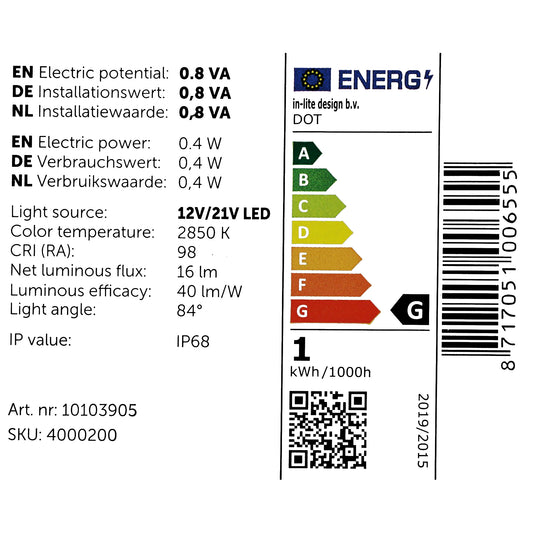
There is no fixed number of in-lite lights you can connect to one transformer. The limit depends on the combined VA of the fixtures rather than the number of lights. Add together the VA of all connected fixtures and make sure the total remains below the maximum VA capacity of your HUB or SMART HUB.