
in-lite outdoor spotlights
-
in-lite | MICRO SCOPE | Outdoor Spotlights
Regular price €73,39Regular price -
in-lite | MINI SCOPE | Outdoor Spotlights
Regular price €102,14Regular price -
in-lite | MINI SCOPE DUO | Outdoor Spotlights
Regular price €236,03Regular price -
in-lite | MINI SCOPE PRO PACK | Outdoor Spotlights
Regular price €1.123,63Regular price -
in-lite | SCOPE | Outdoor spotlights
Regular price €130,91Regular price -
in-lite | SMART SCOPE TONE | Outdoor Spotlights
Regular price €197,35Regular price -
in-lite | BIG SCOPE | Outdoor spotlights
Regular price €167,60Regular price -
in-lite | BIG SCOPE NARROW | Outdoor spotlights
Regular price €167,60Regular price -
in-lite | AIM EXTRA LOW | Outdoor Spotlights
Regular price €144,79Regular price -
in-lite | AIM EXTRA LOW DUO | Outdoor Spotlights
Regular price €260,83Regular price -
in-lite | AIM EXTRA LOW TRIPLE | Outdoor Spotlights
Regular price €376,86Regular price -
in-lite | AIM LOW | Outdoor Spotlights
Regular price €166,61Regular price -
in-lite | AIM LOW DUO | Outdoor Spotlights
Regular price €282,65Regular price -
in-lite | AIM LOW TRIPLE | Outdoor Spotlights
Regular price €398,68Regular price -
in-lite | AIM | Outdoor Spotlights
Regular price €207,28Regular price -
in-lite | AIM DUO | Outdoor Spotlights
Regular price €323,30Regular price -
in-lite | AIM TRIPLE | Outdoor Spotlights
Regular price €439,34Regular price -
in-lite | AIM LIGHT HEAD | Outdoor Spotlights
Regular price €116,03Regular price -
in-lite | SUB | Submersible spotlight
Regular price €197,35Regular price









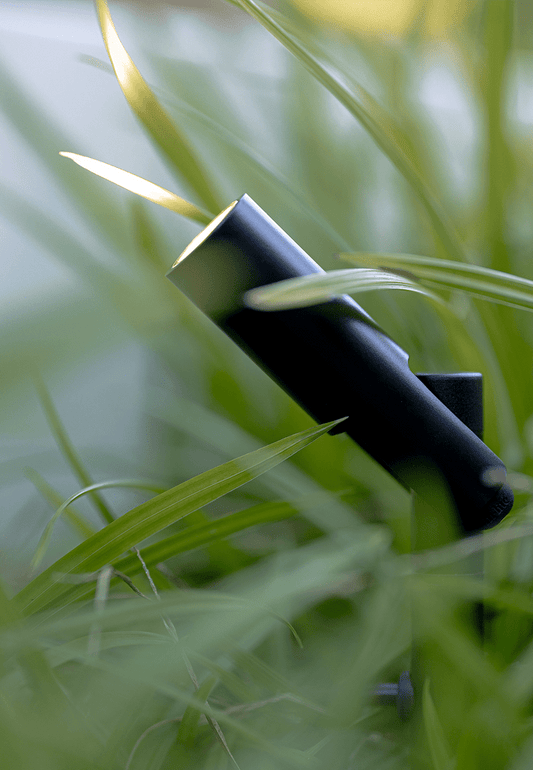


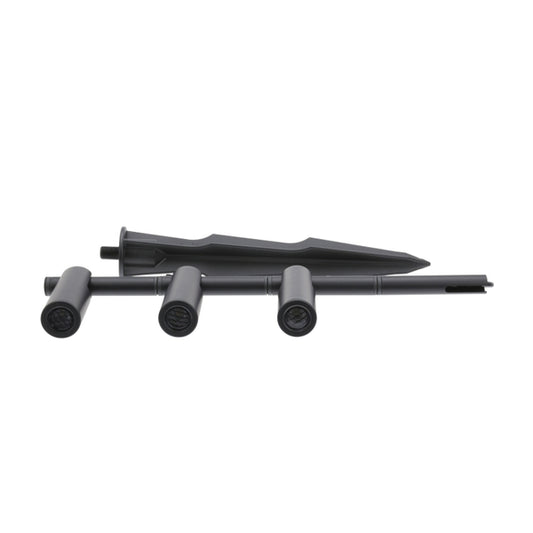

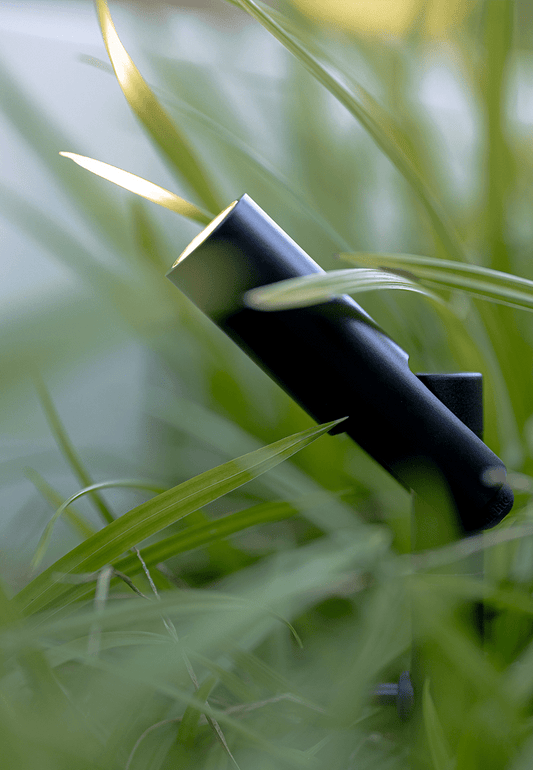

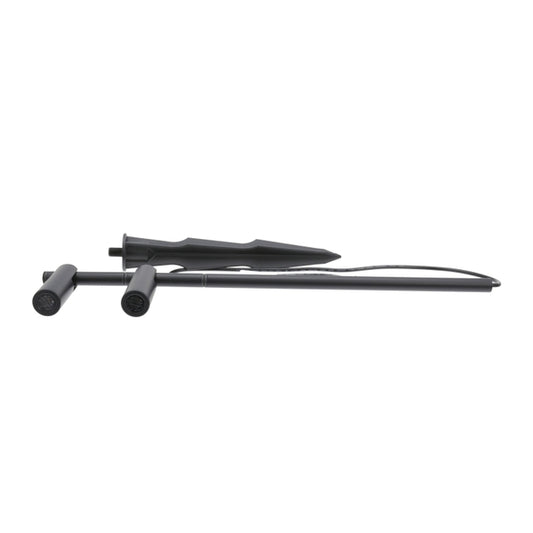
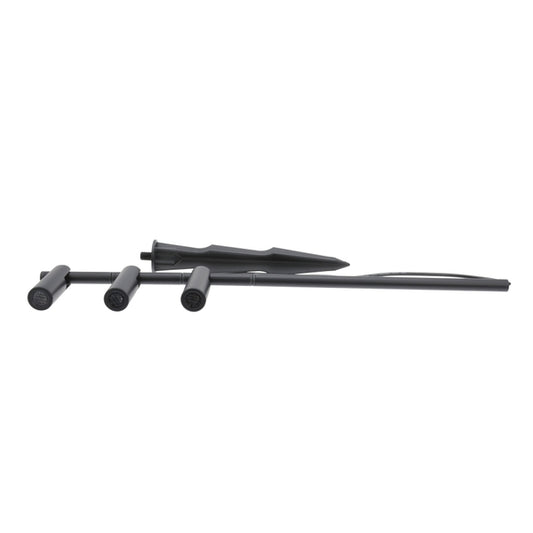

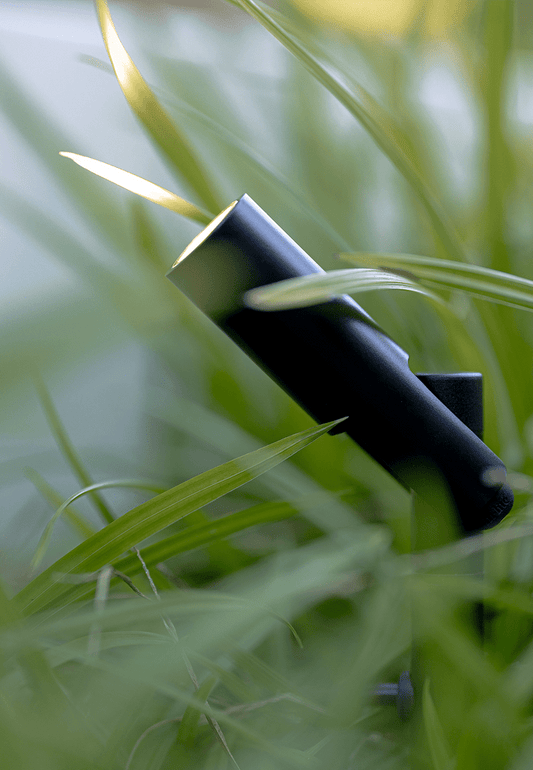

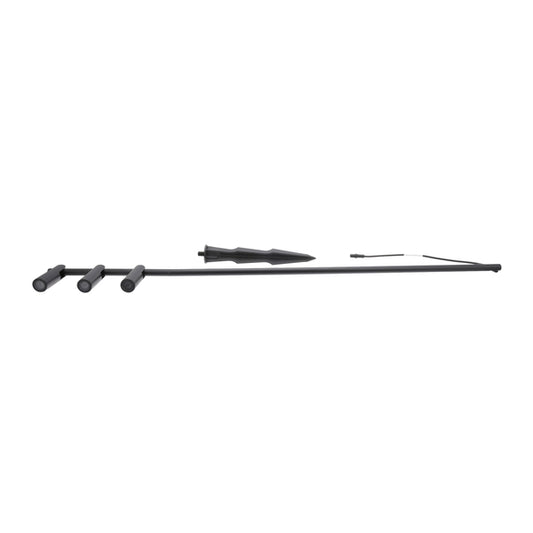

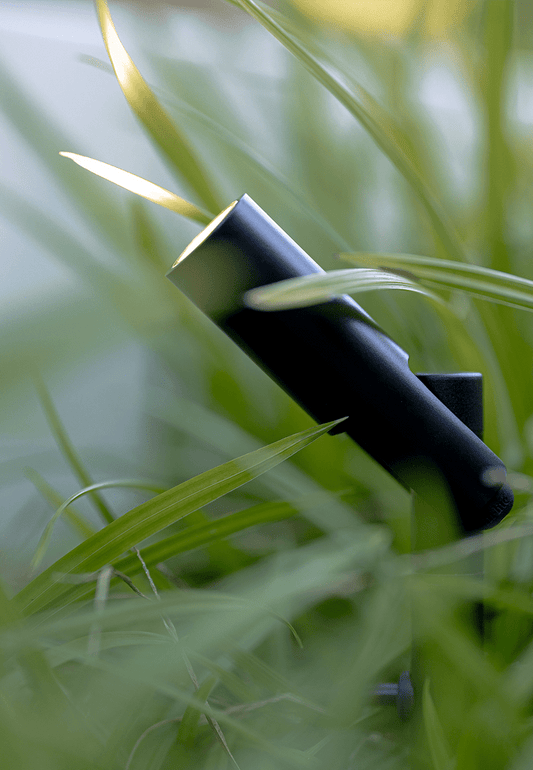

Which in-lite outdoor spotlight do I need?
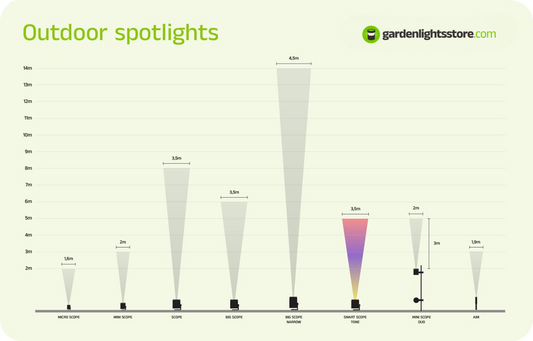
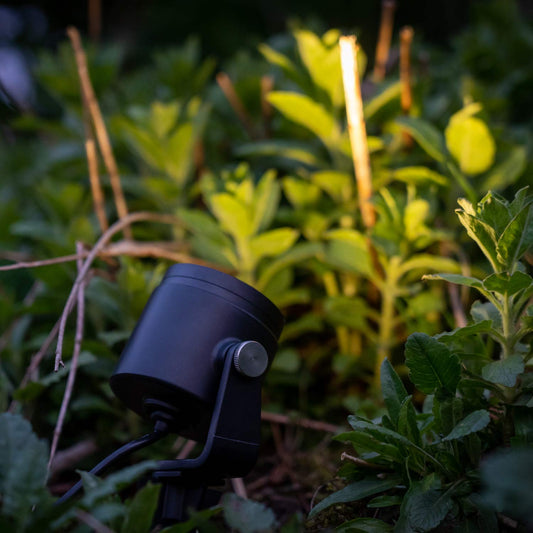
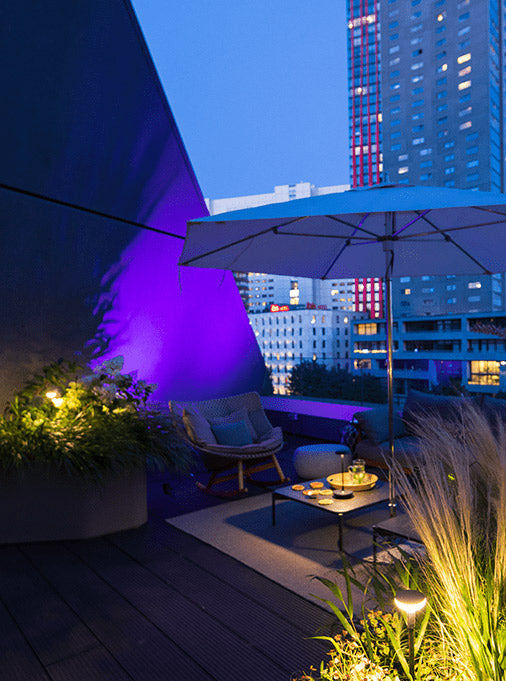
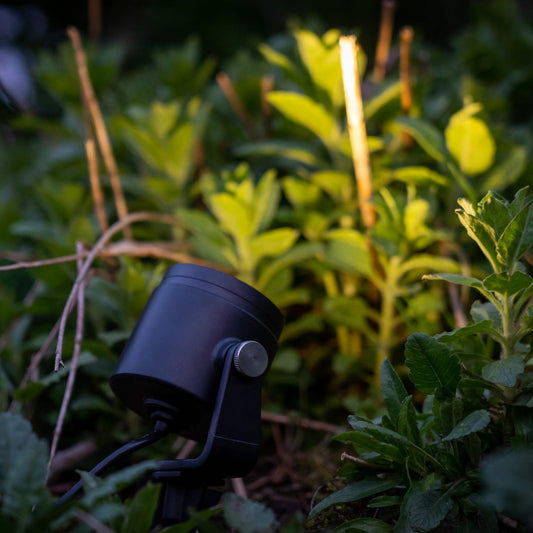
in-lite outdoor spotlights are designed to highlight trees, planting, façades, and other garden features with directional light. Choosing between them mainly comes down to the size and height of the object, the required spread of the beam, and the intensity of the light. The comparison below shows which characteristics suit different lighting applications.
| If you want to illuminate... | Recommended in-lite spotlight | Why this spotlight fits |
|---|---|---|
| Smaller plants and shrubs | in-lite MINI SCOPE or AIM EXTRA LOW | Focused accent lighting for smaller garden features |
| Multiple plants or features | Illuminates more than one feature from a single position | |
| Shrubs, trees and sculptures | in-lite SCOPE or AIM | Versatile lighting for prominent garden features |
| Large trees and garden features | in-lite BIG SCOPE | Powerful illumination for larger features |
| Large features that require more precise lighting | in-lite BIG SCOPE NARROW | More focused illumination of selected features |
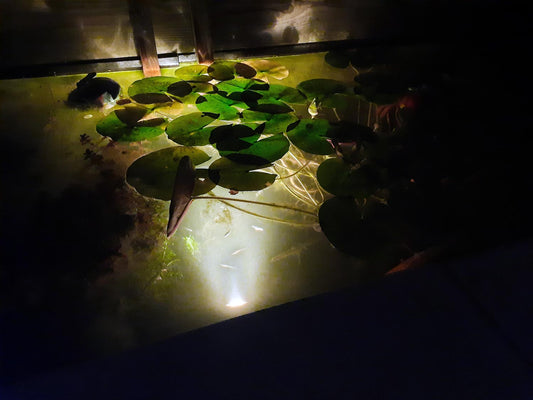
| Features in water | in-lite SUB | Illuminates ponds and other water features |
Expert advice: Start with the feature you want to illuminate rather than choosing a spotlight based on appearance alone. Its size, position, and surroundings all influence which in-lite fixture will create the most effective result.
How to choose the perfect outdoor spotlight
Once you have identified the features you want to illuminate, consider how you want them to look after dark. The proportions of the feature, the direction from which it is viewed, and the desired spread of light all influence the final result.
Consider what you want to illuminate
Start by deciding which elements of your garden deserve all the attention after dark. Outdoor spotlights can be used to highlight planting, shrubs, trees, sculptures and architectural features, allowing selected parts of the garden to stand out without lighting up the entire space.
Match the spotlight to the size of the feature
The size of the object is an important factor when choosing an in-lite spotlight. Compact spotlights are suitable for smaller plants and features, while larger garden elements such as mature trees may require a more powerful spotlight.
Choosing the fixture in proportion to the feature helps create a more balanced lighting effect.
Consider the overall lighting effect
Think about how precisely you want to highlight the feature. Some objects benefit from concentrated, focused beam, while others require a broader spread of light.
The position of the spotlight also influences the final result, so consider the viewing direction and the feature itself as part of the complete lighting plan.
Tip from the expert: Avoid trying to illuminate every part of the garden equally. Selecting a number of key features and leaving darker areas between them creates contrast and helps to add depth.
Why choose in-lite outdoor spotlights?
-
Easy 12V installation
Connect your spotlights to the in-lite ground cable using the included Easy-Lock connector.
-
Easy to expand
Add compatible fixtures later when you want to extend your garden lighting. -
Options for different garden features
Choose from compact accent lights, spotlights for larger features, and a dedicated underwater fixture. -
Designed as one lighting system
Combine your spotlights with other in-lite outdoor lights using the same 12V system. -
5-year warranty
in-lite fixtures come with a 5-year warranty for added peace of mind.
Which in-lite spotlight is the best for trees?
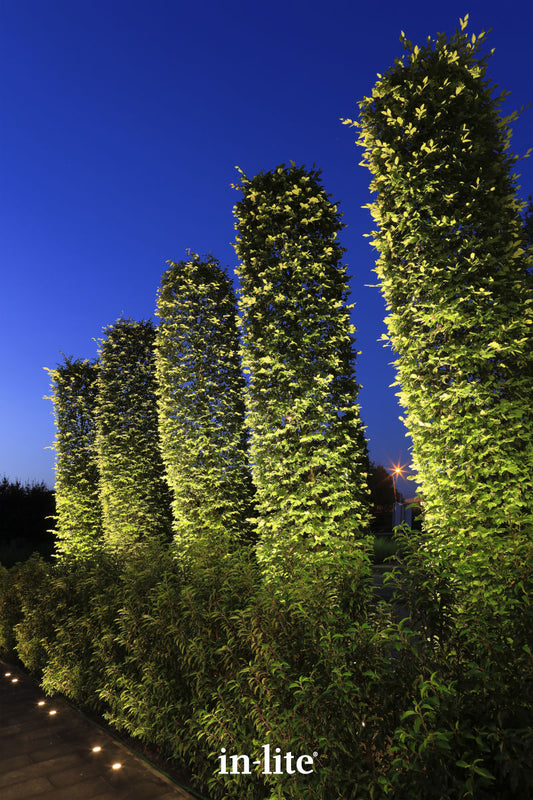
For larger and mature trees, the BIG SCOPE and BIG SCOPE NARROW provide options for illuminating prominent garden features. The best choice depends not only on the height of the tree but also on its width, shape, foliage, and the lighting effect you want to create.
Lighting large trees efficiently
Consider whether you want to illuminate a broader part of the tree or draw attention to a specific section. The viewing direction is important too: position the spotlight so that the illuminated tree becomes part of the overall garden composition without causing unnecessary glare.
How to position outdoor spotlights
The position and direction of a spotlight have a major influence on the final result. Rather than simply placing a spotlight as close as possible to the feature, consider what you want to highlight, where the feature will usually be viewed from and how the light fits into the rest of your lighting plan.
Use light to highlight shape and texture
Position spotlights so that the light emphasises the features that make a tree, plant, wall or sculpture interesting. Changing the direction of the light can alter how strongly shapes, textures and shadows are visible after dark.
Experimenting with the position before permanently installing the fixture can help you find the lighting effect that works best for your garden.
Avoid unnecessary glare
Consider the direction in which the spotlight is aimed and the main viewing positions in your garden. A well-positioned spotlight should draw attention to the illuminated feature rather than to the light source itself.
Pay attention to seating areas, terraces and frequently used routes when determining the direction of the light.
Create depth with light and darkness
You do not need to illuminate every part of the garden. Highlighting selected trees, planting and architectural features while leaving other areas darker creates contrast and helps give the garden a greater sense of depth after sunset.
Combine your spotlights with functional lighting where visibility is required to create a balanced outdoor lighting plan.
Test the position and direction of your spotlights after dark before finalising the installation. The lighting effect can look very different at night than expected during daylight, and small adjustments to the position or direction can make a noticeable difference.
Installing in-lite outdoor spotlights
in-lite outdoor spotlights connect to the 12V in-lite lighting system using the Easy-Lock connector included with the fixture. The transformer supplies low-voltage power through the ground cable, allowing you to install spotlights at different positions throughout the garden without connecting each individual fixture directly to 230V mains power. The modular system also makes it easy to add compatible lighting later.
Plan the cable route and spotlight positions
Plan the positions of your spotlights and the route of the ground cable before completing the installation. If possible, test the position and direction of the fixtures after dark so you can fine-tune the lighting effect before finalising their placement.
When adding spotlights to an existing installation, always check that the combined VA of all connected fixtures remains within the capacity of your in-lite transformer.
For a complete step-by-step approach, read our guide about planning and creating a garden lighting plan.
Buy in-lite outdoor spotlights at Gardenlightsstore.com
Explore the range of in-lite outdoor spotlights at Gardenlightsstore.com and find the right fixture for trees, planting, sculptures, water features, and other focal points in your garden. From the compact AIM and MINI SCOPE to powerful BIG SCOPE spotlights, you can select a lighting solution that suits both the feature and the effect you want to create.
Not sure which in-lite spotlight is right for your garden? With over 20 years of experience with in-lite outdoor lighting, our specialists can help you compare fixtures, plan your lighting and choose compatible components for your installation.
Orders over €100 qualify for free shipping across the EU, and all products come with a 5-year warranty.
Frequently asked questions
Which type of garden light is best for trees?
Outdoor spotlights are generally the best choice for illuminating trees because they allow you to direct the beam exactly where it's needed. The ideal beam angle depends on the height and width of the tree, so larger trees often require a different lighting approach than smaller ornamental trees.
Can I install in-lite garden lighting myself?
Yes. The in-lite 12V system is designed for easy installation without any specialist knowledge. Using Easy-Lock connectors, most homeowners can install or expand their lighting system themselves. Always follow the installation instructions and ensure the transformer is installed in a dry, well-ventilated location.
Can I expand my garden lighting system later?
Yes. One of the advantages of the in-lite 12V system is that it can easily be expanded over time. You can start with lighting for your patio and pathways, then add fixtures for trees, borders, or other garden features as your lighting plan evolves.
How do I choose the right outdoor spotlight for my garden?
Choose an outdoor spotlight based on what you want to illuminate, the size of the feature and the lighting effect you want to create. Compact spotlights are suitable for smaller plants and shrubs, while larger features such as mature trees may require a more powerful spotlight. For water features, choose a fixture specifically designed for that application.
What is the difference between a narrow and wide spotlight beam?
A narrow beam concentrates light on a smaller area, making it suitable for highlighting a specific feature more precisely. A wider beam spreads the light across a larger area and can illuminate more of a tree, plant or other garden feature. The best beam depends on the size and shape of the feature and the effect you want to create.