
in-lite 230V outdoor lighting
-
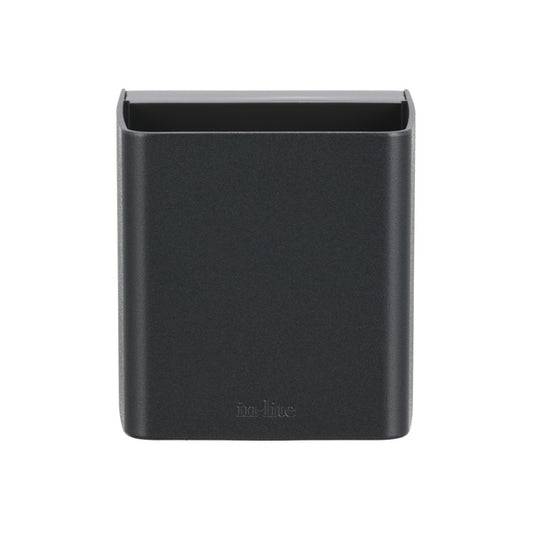
in-lite | ACE DOWN Dark 230V | Wall lights
Regular price €204,30Regular price -
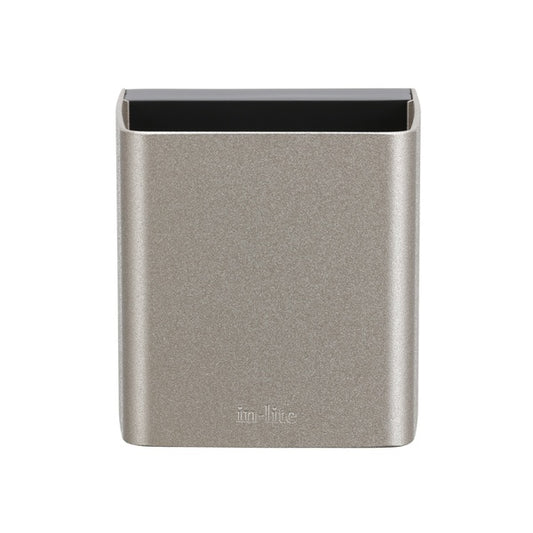
in-lite | ACE DOWN Rose Silver 230V | Wall lights
Regular price €204,30Regular price -
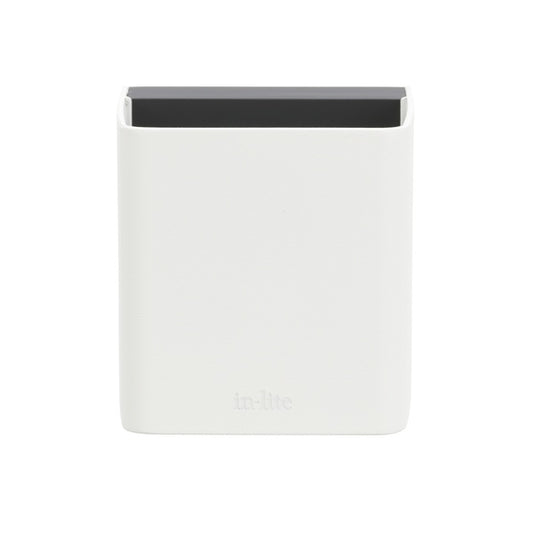
in-lite | ACE DOWN White 230V | Wall lights
Regular price €204,30Regular price -
in-lite | ACE DOWN Corten 230V | Wall lights
Regular price €209,26Regular price -
in-lite | ACE DOWN Flat Grey 230V | Wall lights
Regular price €195,37Regular price -
in-lite | ACE UP-DOWN Dark 230V | Wall lights
Regular price €228,10Regular price -
in-lite | ACE UP-DOWN Rose Silver 230V | Wall lights
Regular price €228,10Regular price -
in-lite | ACE UP-DOWN White 230V | Wall lights
Regular price €228,10Regular price -
in-lite | ACE UP-DOWN Corten 230V | Wall lights
Regular price €232,07Regular price -
in-lite | ACE UP-DOWN Flat Grey 230V | Wall lights
Regular price €228,10Regular price -
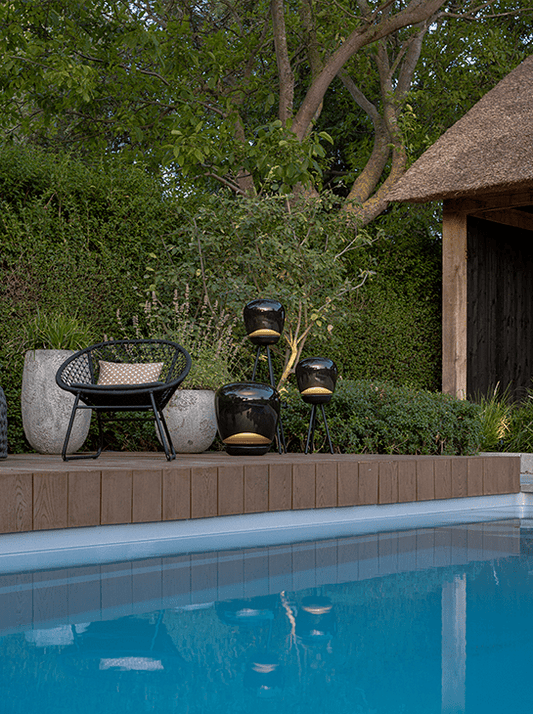
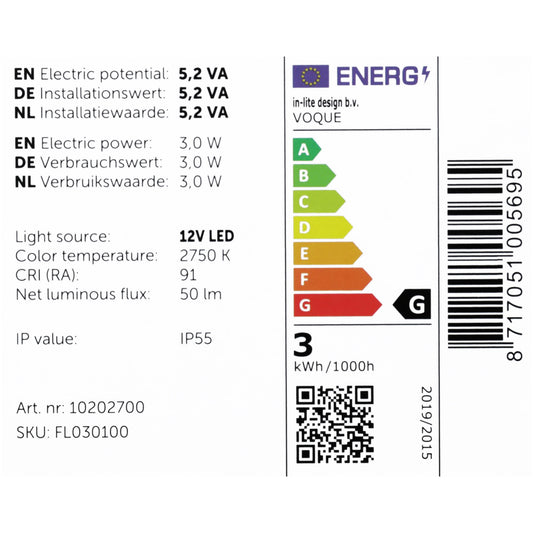
in-lite | VOQUE 230V | Bollards
Regular price €468,10Regular price -
in-lite | VOQUE LOW 230V | Bollards
Regular price €606,95Regular price -
in-lite | VOQUE HIGH 230V | Bollards
Regular price €651,58Regular price -
in-lite | VOQUE PENDANT 230V | Pendant lights
Regular price €566,28Regular price -
in-lite | BIG VOQUE 230V | Bollards
Regular price €765,62Regular price -
in-lite | BIG VOQUE LOW 230V | Bollards
Regular price €904,46Regular price -
in-lite | BIG VOQUE HIGH 230V | Bollards
Regular price €949,09Regular price -
in-lite | BIG VOQUE PENDANT 230V | Pendant lights
Regular price €863,80Regular price -
in-lite | SWAY PENDANT Black 230V | Pendant lights
Regular price €269,26Regular price -
in-lite | SWAY PENDANT Pearl Grey 230V | Pendant lights
Regular price €269,26Regular price -
in-lite | SWAY PENDANT DUO Black 230V | Pendant lights
Regular price €269,26Regular price -
in-lite | SWAY PENDANT DUO Pearl Grey 230V | Pendant lights
Regular price €401,16Regular price -
in-lite | SWAY PENDANT TRIPLE Black 230V | Pendant lights
Regular price €533,05Regular price -
in-lite | SWAY PENDANT TRIPLE Pearl Grey 230V | Pendant lights
Regular price €533,05Regular price -
in-lite | HALO UP-DOWN Dark 230V | Wall lights
Regular price €246,95Regular price -
in-lite | HALO DOWN Dark 230V | Wall lights
Regular price €237,02Regular price -
in-lite | EVO DOWN Dark 230V | Wall lights
Regular price €272,72Regular price -
in-lite | DISC WALL 230V | Wall lights
Regular price €235,54Regular price -
in-lite | DISC PENDANT 230V | Pendant lights
Regular price €286,12Regular price -
in-lite | DISC PENDANT DUO 230V | Pendant lights
Regular price €523,14Regular price -
in-lite | DISC PENDANT TRIPLE 230V | Pendant lights
Regular price €760,16Regular price

























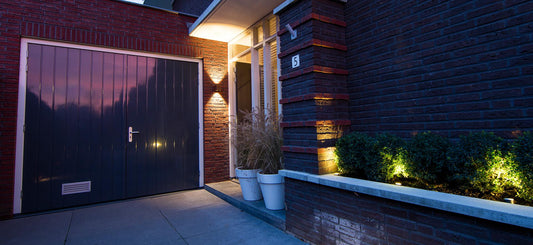

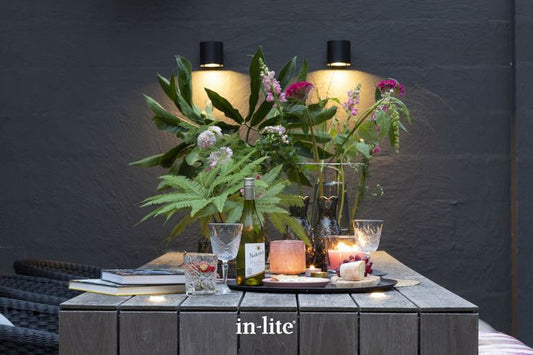

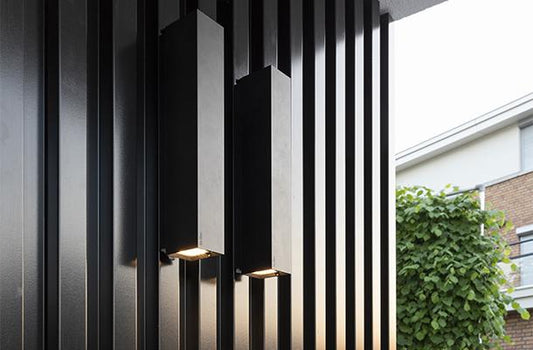

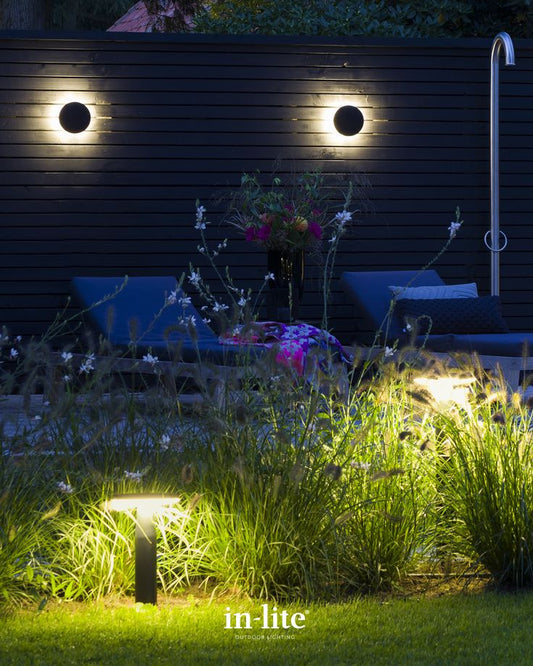




Which in-lite 230V outdoor light should I choose?
| If you want to... | Recommended in-lite 230V fixture | Why this fixture fits |
|---|---|---|
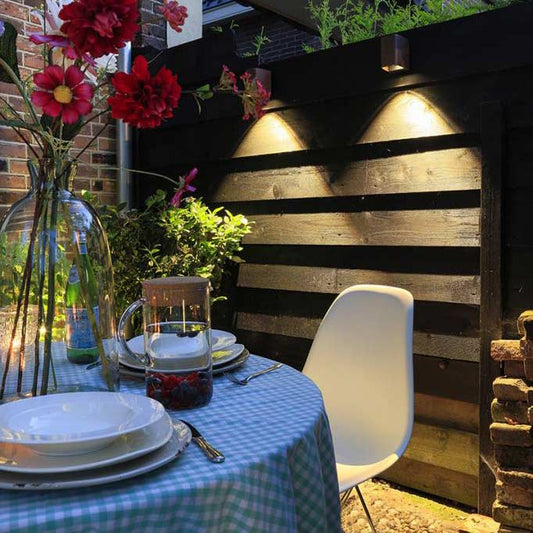
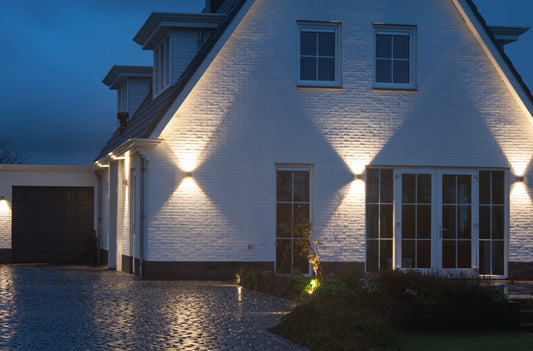
| Create defined downward or up-down light on a wall or façade | in-lite ACE 230V or HALO 230V | Both series offer architectural wall lighting in DOWN and UP-DOWN versions, with compatible SHUTTER accessories for shaping the beams |
| Spread a broad wash of light below a wall fixture | in-lite EVO DOWN Dark 230V | Its wide horizontal design produces diffuse downward light across the wall and the area directly in front of it |
| Add softer, diffuse light to a wall | in-lite DISC WALL 230V | The circular fixture creates a soft glow without a strongly defined beam or glare |
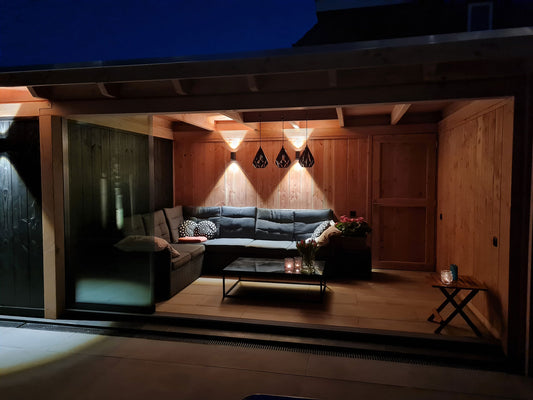
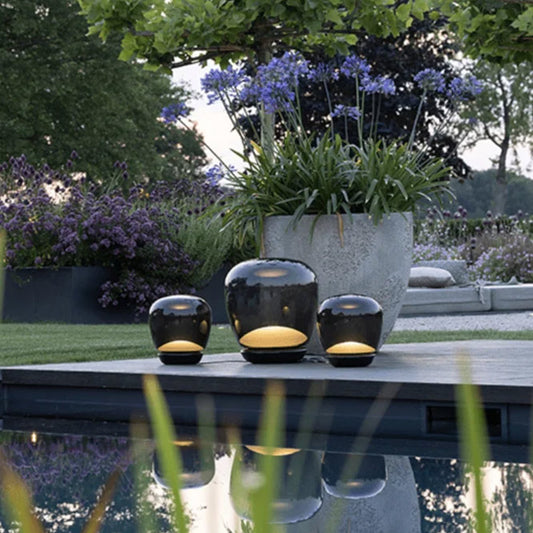
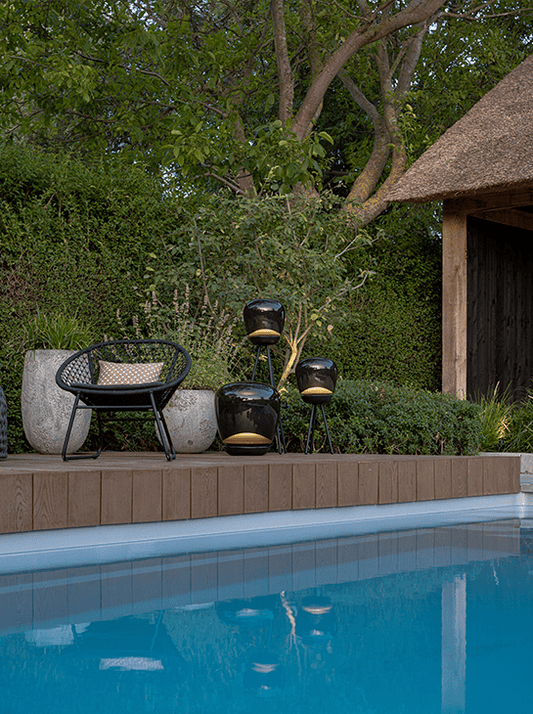
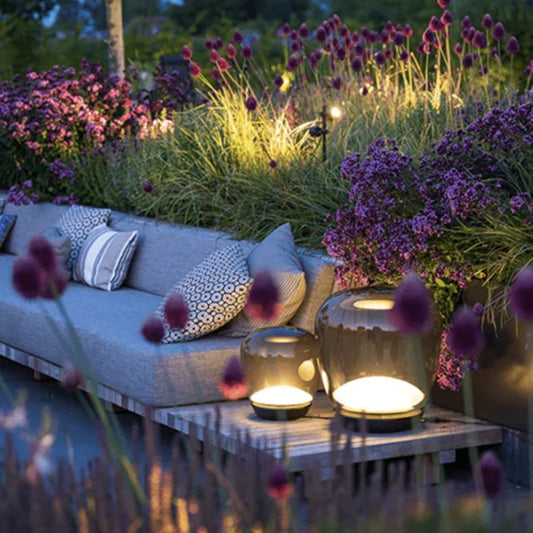
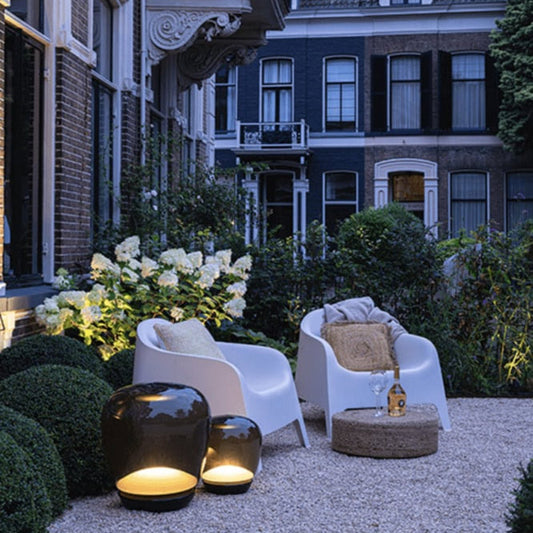
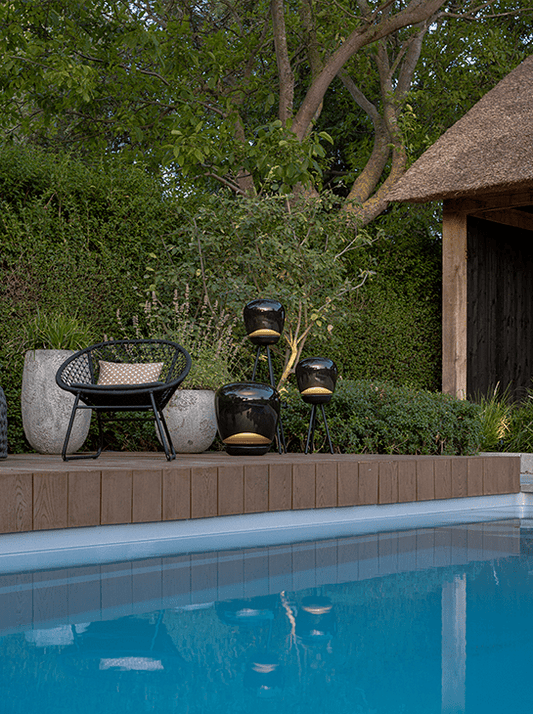
| Add freestanding ambient lighting to a terrace, border or seating area | in-lite VOQUE 230V series | VOQUE and BIG VOQUE are available in different sizes and LOW and HIGH configurations, allowing the height and scale of the fixture to suit the setting |
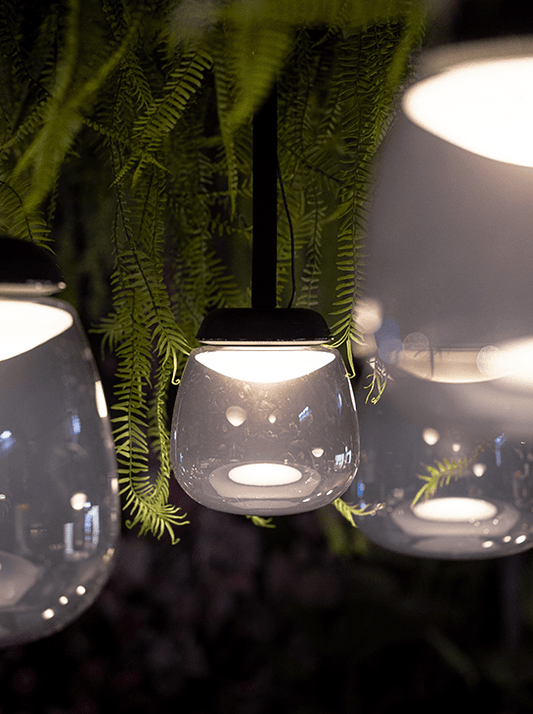
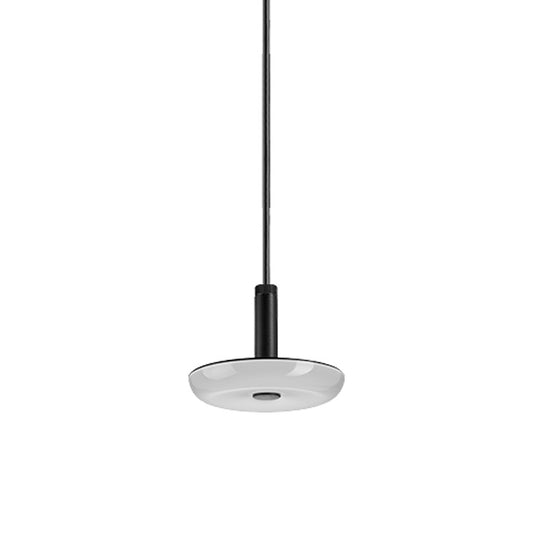
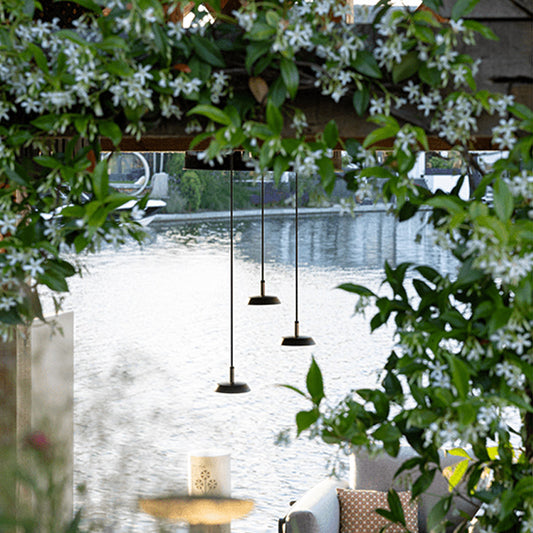
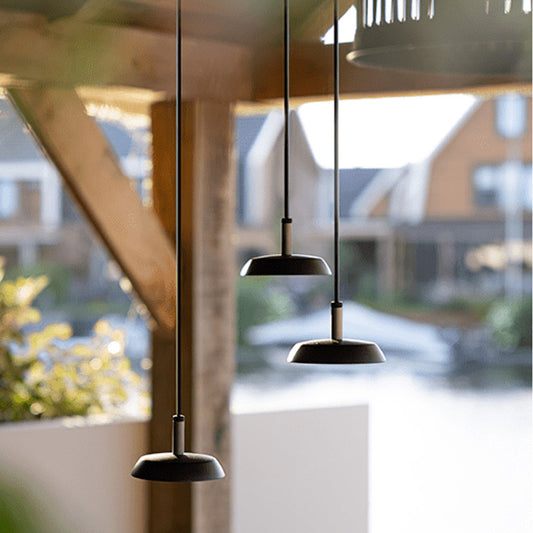
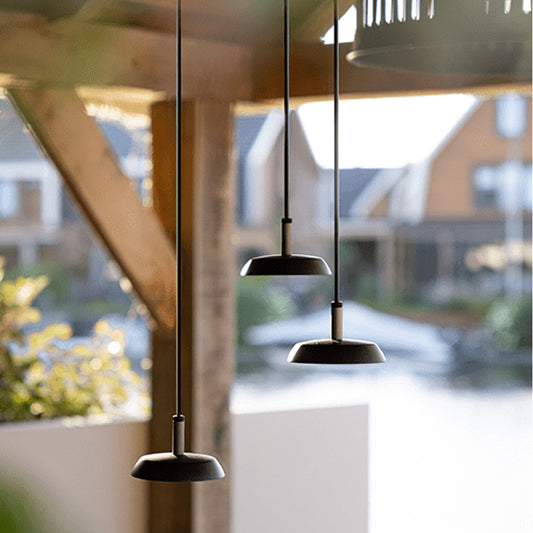
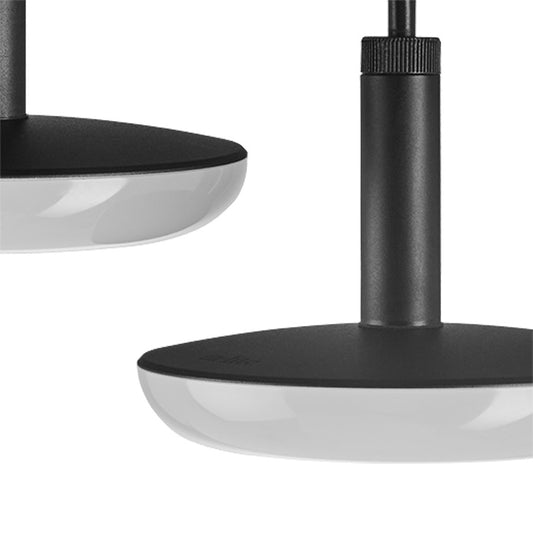
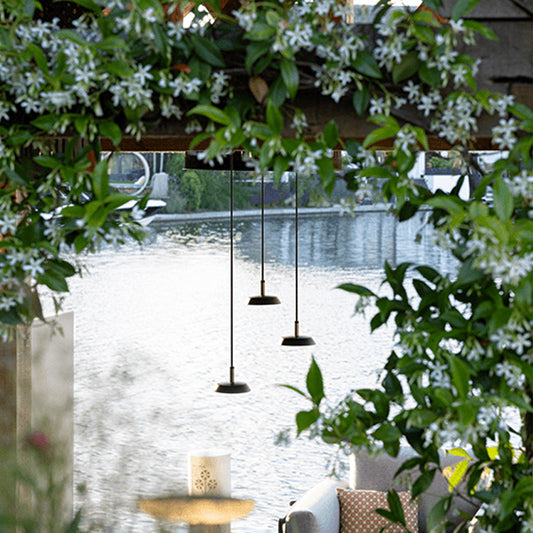
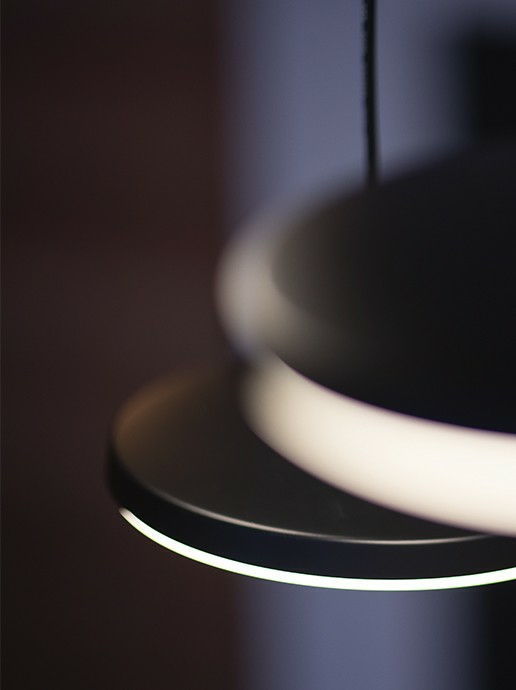
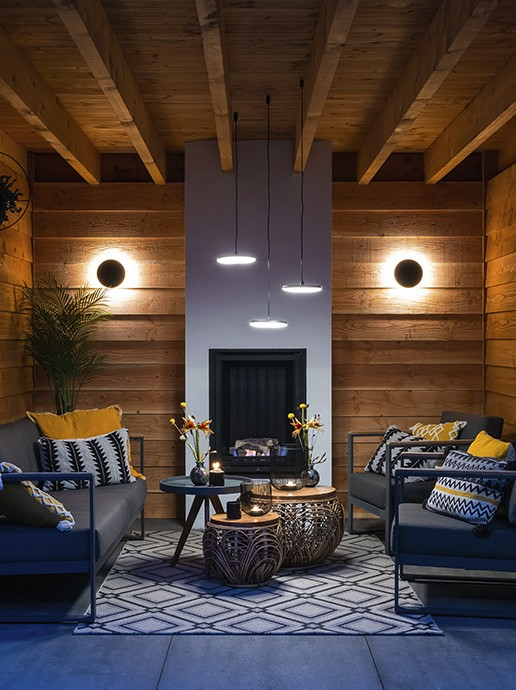
| Illuminate an outdoor dining or seating area from above | in-lite VOQUE, SWAY, or DISC PENDANT 230V | The different pendant designs provide soft ambient light, with options ranging from individual fixtures to larger or multi-light configurations |
What is the difference between 12V and 230V outdoor lighting?
The main difference is how the lighting is powered. in-lite 12V outdoor lighting is connected to a HUB transformer and uses the in-lite low-voltage cable system, making it suitable for a complete garden lighting plan with multiple fixtures. in-lite 230V outdoor lighting connects to mains power and does not require a transformer or 12V ground cable.
| in-lite 12V outdoor lighting | in-lite 230V outdoor lighting | |
|---|---|---|
| Power supply | Connected through an in-lite HUB transformer | Connected to mains power |
| Cabling | Uses the in-lite 12V cable system | Does not use the in-lite 12V ground cable system |
| When to choose | Complete garden lighting plans with multiple fixtures connected within one 12V system | Smaller installations with only one or a few fixtures, especially where a suitable mains connection is already available |
| Fixture range | Broad range of garden lighting for paths, borders, walls, and other outdoor areas | Selected wall lights, pendant lights, and bollards |
Benefits of in-lite 230V outdoor lighting
-
No separate 12V system required
Install a 230V fixture without adding an in-lite transformer and 12V ground cable system, making it useful for individual lighting points. -
Make use of an available mains connection
Where a suitable 230V connection is already present or planned, you can add in-lite lighting directly to that part of your outdoor space. -
Maintain a consistent lighting design
Combine in-lite 230V fixtures around the house, terrace or covered outdoor area with 12V in-lite lighting elsewhere in the garden.
Buy in-lite 230V outdoor lighting at Gardenlightsstore.com
Explore the complete range of in-lite 230V outdoor lighting at Gardenlightsstore.com. With over 20 years of experience with in-lite, our lighting specialists can help you determine whether 230V is the right choice for your project and advise you on the most suitable fixture for your outdoor space.
Orders over €100 qualify for free shipping across the EU, and all products come with a 5-year warranty.
Frequently asked questions
Can I combine in-lite 12V and 230V lighting in the same garden?
Yes. You can use in-lite 12V and 230V lighting within the same lighting plan, but they use separate electrical systems. The 12V fixtures connect to an in-lite HUB and low-voltage cable, while 230V fixtures use a suitable mains connection. A 230V fixture cannot be connected directly to an in-lite 12V cable.
Does 230V outdoor lighting produce more light than 12V lighting?
No. A 230V light does not automatically produce more light than a 12V fixture. Brightness depends on the specifications and light output of the individual fixture rather than its operating voltage. Compare the lighting effect and lumen output of suitable fixtures when deciding how much light you need.
Can I replace a 12V in-lite fixture with a 230V version?
Not as a direct replacement. A 12V in-lite fixture is powered through an in-lite HUB and low-voltage cable system, while a 230V fixture requires a suitable mains connection. Changing from 12V to 230V therefore requires the electrical connection to be changed rather than simply swapping the fixture.
Do I need an electrician to install in-lite 230V outdoor lighting?
It depends on how the fixture is connected. If an in-lite 230V fixture requires a fixed mains connection or a new outdoor power connection, the electrical work should be carried out by a qualified electrician. If a suitable outdoor mains connection is already available and the product is designed to connect to it directly, additional electrical installation may not be required. Always follow the installation instructions for the specific fixture.
How do I make a lighting plan for my garden?
A garden lighting plan is a simple sketch that shows where every outdoor light will be installed before you buy any fixtures. A good lighting plan improves safety, highlights key features such as trees and pathways, and helps you choose the correct transformer and number of fixtures. Most gardens can be planned in five simple steps and within an hour.
At what height should in-lite wall lights be installed?
For general wall and ambient lighting, a mounting height of around 1,5 to 1,8 metres above ground level is a useful starting point. Low-level wall lights used for paths, steps, or orientation lighting can be positioned much lower, typically around 30 to 45 cm above the ground. Always consider the fixture's light distribution and potential glare when choosing the final mounting height.
Can one faulty fixture affect the rest of my garden lighting?
In most cases, a single faulty fixture will not stop the rest of the system from working. However, a damaged cable or an incorrectly installed connector can affect multiple fixtures connected to the same cable. Checking the system step by step will help you locate the issue easily.