
Atmospheric lighting
-
in-lite | VOQUE | Bollards
Regular price €395,70Regular price -
in-lite | BIG VOQUE | Bollards
Regular price €693,23Regular price -
in-lite | VOQUE LOW | Bollards
Regular price €534,54Regular price -
in-lite | SWAY TABLE Portable | Bollards
Regular price €197,35Regular price -
in-lite | BIG VOQUE PENDANT | Pendant lights
Regular price €791,40Regular price -
in-lite | DISC PENDANT 230V | Pendant lights
Regular price €286,12Regular price -
in-lite | DISC PENDANT | Pendant lights
Regular price €176,53Regular price -
in-lite | DISC PENDANT TRIPLE 230V | Pendant lights
Regular price €760,16Regular price -
in-lite | DISC PENDANT DUO 230V | Pendant lights
Regular price €523,14Regular price -
in-lite | AIM FLOOR | Bollards | 230V
Regular price €367,93Regular price -
in-lite | AIM FLOOR | Bollards
Regular price €295,54Regular price -
in-lite | AIM FLOOR TRIPLE | Bollards | 230V
Regular price €600,00Regular price -
in-lite | AIM FLOOR TRIPLE | Bollards
Regular price €527,60Regular price -
in-lite | AIM FLOOR DUO | Bollards | 230V
Regular price €483,97Regular price -
in-lite | AIM FLOOR DUO | Bollards
Regular price €411,58Regular price -
in-lite | VOQUE PENDANT 230V | Pendant lights
Regular price €566,28Regular price -
in-lite | VOQUE PENDANT
Regular price €493,88Regular price -
in-lite | VOQUE 230V | Bollards
Regular price €468,10Regular price -
in-lite | VOQUE LOW 230V | Bollards
Regular price €606,95Regular price -
in-lite | VOQUE HIGH 230V | Bollards
Regular price €651,58Regular price -
in-lite | VOQUE HIGH | Bollards
Regular price €579,17Regular price -
in-lite | BIG VOQUE PENDANT 230V | Pendant lights
Regular price €863,80Regular price -
in-lite | BIG VOQUE 230V | Bollards
Regular price €765,62Regular price -
in-lite | BIG VOQUE LOW 230V | Bollards
Regular price €904,46Regular price -
in-lite | BIG VOQUE LOW | Bollards
Regular price €832,07Regular price -
in-lite | BIG VOQUE HIGH 230V | Bollards
Regular price €949,09Regular price -
in-lite | BIG VOQUE HIGH | Bollards
Regular price €876,70Regular price

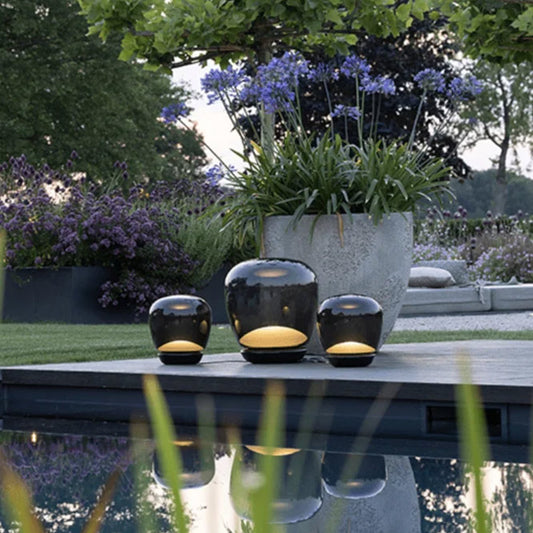

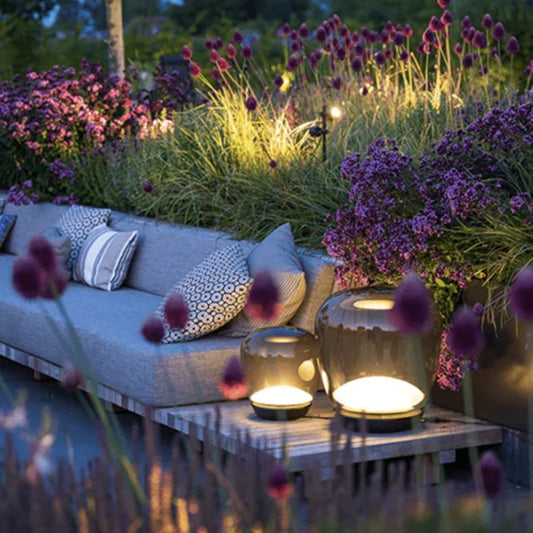

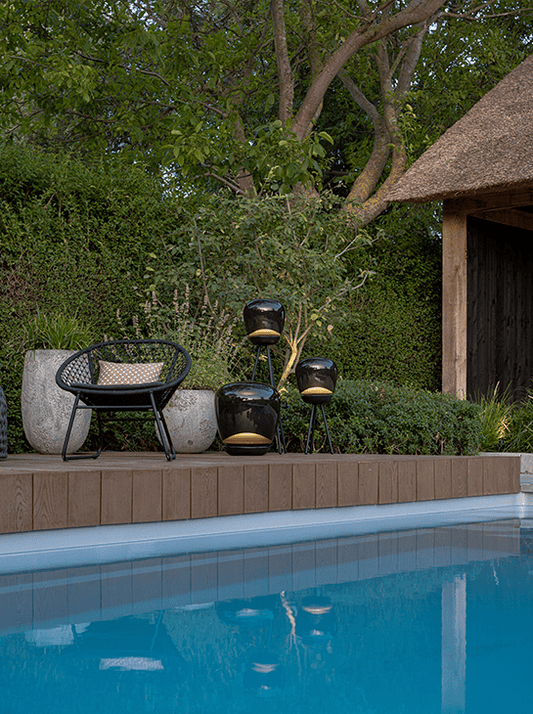


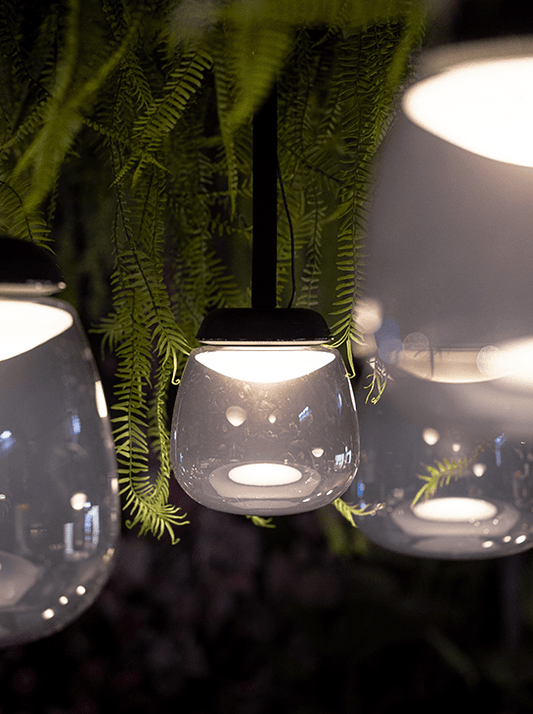

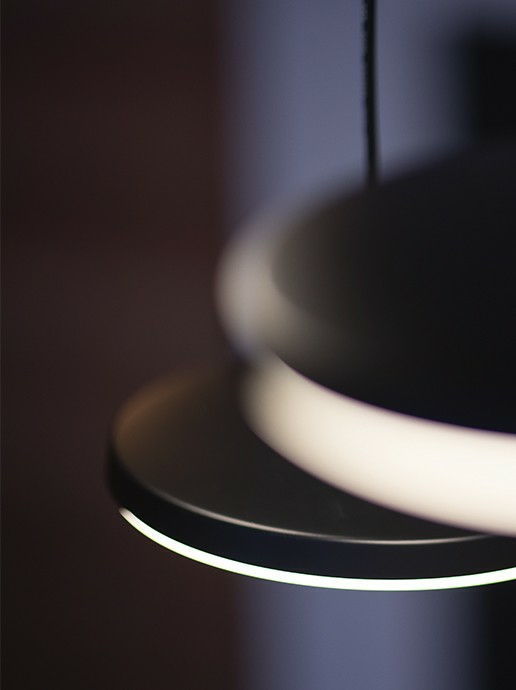

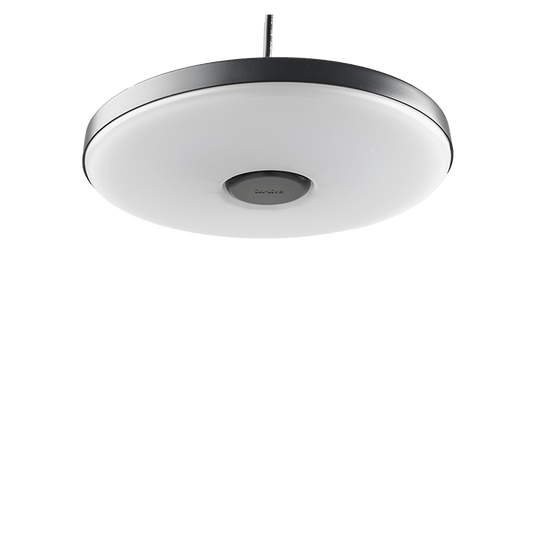


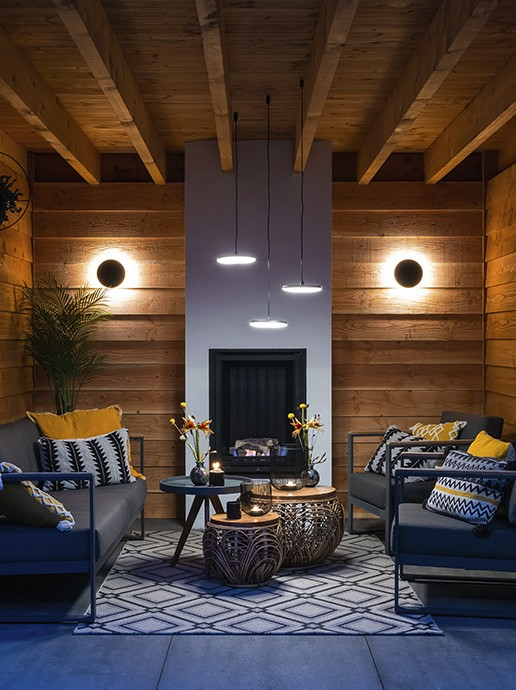








How do you create atmosphere with garden lighting?
Atmosphere comes from using light in different ways throughout the garden. The examples below show how bollards, pendants, table lights, and directional lighting can each add a different layer to your outdoor space.
| If you want to... | Recommended in-lite lighting | How it adds atmosphere |
|---|---|---|
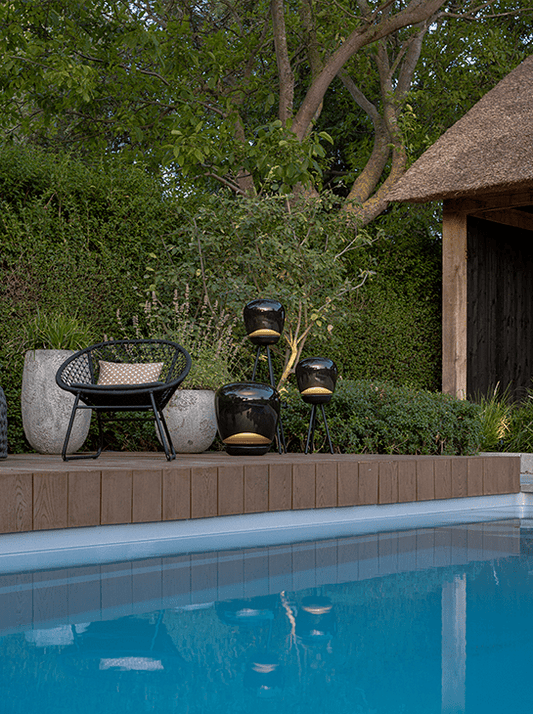
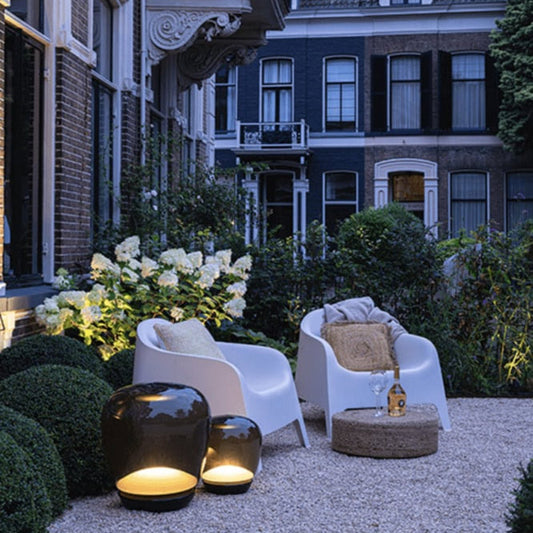
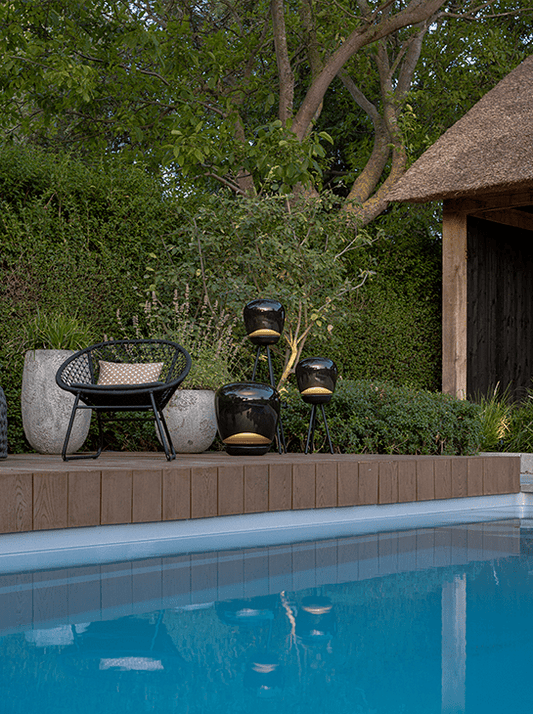
| Add decorative ambient light around a terrace or lounge area | in-lite VOQUE series | The VOQUE introduces a warm, decorative layer around seating areas and outdoor furniture as a bollard or a pendant light |
| Create ambient light above an outdoor dining or seating area | in-lite DISC PENDANT series | Soft, diffuse light from above helps define the area and creates a comfortable setting around the table |
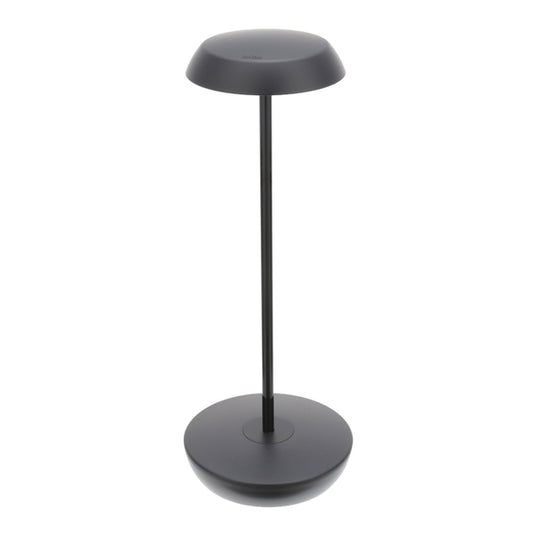
| Add intimate light directly on a table or seating area | in-lite SWAY TABLE | Table-level lighting brings the light closer to where people sit, adding a subtle decorative accent |
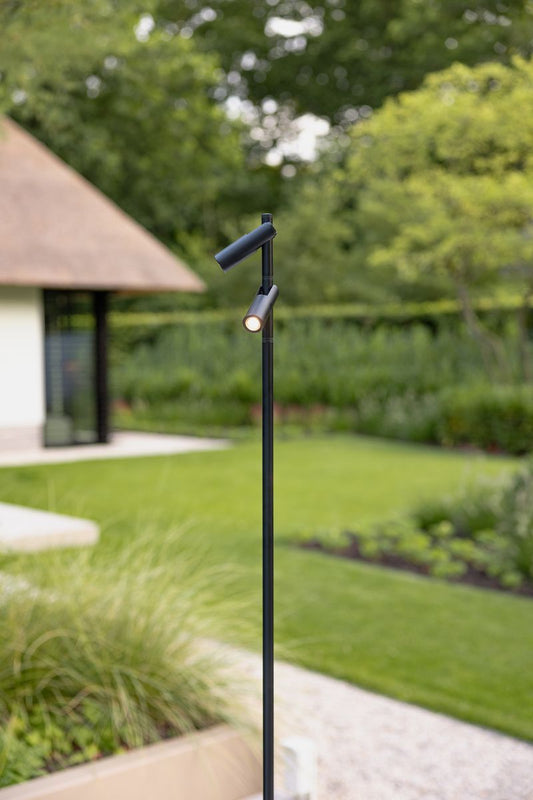
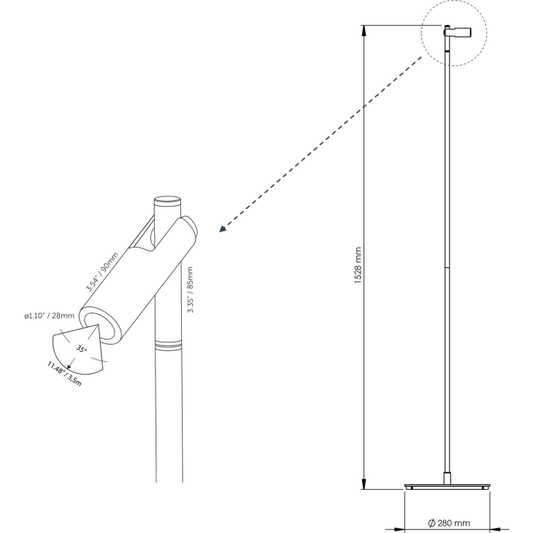
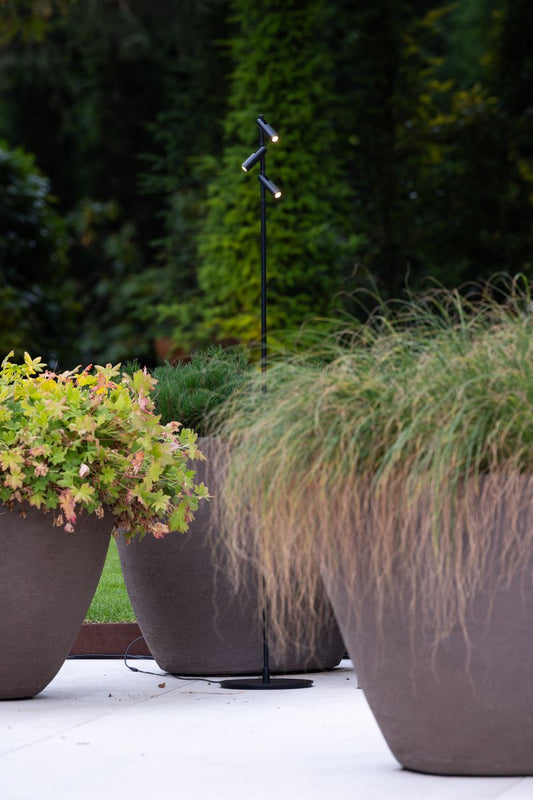
| Highlight planting or certain features in your garden or on a terrace | in-lite AIM FLOOR series | Directional accent lighting adds depth by highlighting selected features. The AIM FLOOR DUO and TRIPLE allow you to direct two or three light sources towards different points from a single fixture. |
Combine different layers of light
Atmospheric garden lighting works best when light comes from different heights and directions. Combine low-level accent lighting around planting with bollards near a terrace or lounge area, then use pendant or table lighting to bring softer light closer to where people sit and spend time.
Contrast is equally important. Darker areas between illuminated features prevent the garden from looking overly lit and flat. They also allow individual plants, structures, and seating areas to stand out more clearly.
Where should you place atmospheric garden lighting?
Start with the places where you spend time after dark. Around terraces and lounge areas, position decorative lighting close enough to seating to create an intimate setting without making the entire space too bright. Pendant lights can define a dining area from above, while table lights add a smaller pool of light directly around the table.
Then look beyond the immediate seating area. Use directional lighting to highlight selected planting, trees, walls, or architectural details further into the garden. Placing these illuminated features at different distances draws the eye beyond the terrace and makes more of the garden visible after dark.
Expert advice: Consider the view from inside your home as well as from the garden itself. Highlighting selected features further into the garden can extend the evening view beyond the terrace and make the garden feel visually connected to the house after dark.
Why choose in-lite for atmospheric lighting?
-
Lighting for every layer of the garden
The in-lite range includes bollards, pendant lights, table lights, and directional fixtures, giving you different ways to add ambient and accent lighting throughout your outdoor space. -
Coordinate lighting across different areas
Complementary in-lite designs make it easier to create a cohesive look across terraces, dining areas, seating areas, and planting while adapting the lighting effect to each location. -
Designed for long-term outdoor use
Fixtures from in-lite combine modern design with the durability and reliability required for permanent outdoor lighting.
Create atmospheric garden lighting with in-lite
Explore the full collection of in-lite outdoor lighting at Gardenlightsstore.com and create a lighting plan that brings atmosphere, depth, and balance to your outdoor space. With over 20 years of experience with in-lite, our lighting specialists can help you combine different lighting effects and choose the right fixtures for your terrace, seating areas, planting, and other garden features.
Orders over €100 qualify for free shipping across the EU, and all products come with a 5-year warranty.
Frequently asked questions
How do I make my garden feel warm and inviting with lighting?
Use warm white light (2700K to 3000K) and combine lighting at different heights to create a welcoming atmosphere. Add soft light around seating areas, use directional lighting to highlight selected plants or trees, and leave some areas darker. This balance of light and shadow creates depth and prevents the garden from looking uniformly lit.
Should garden lighting be symmetrical?
Not necessarily. Asymmetrical lighting often creates a more natural and layered effect, particularly around planting, trees, and informal garden paths. Symmetrical lighting can work well around formal entrances, façades, or straight paths where a balanced appearance suits the architecture and garden design.
How can I prevent atmospheric garden lighting from becoming too bright?
Use softer light where people sit or walk and reserve brighter accent lighting for selected focal points. Position directional fixtures carefully to keep direct light out of your line of sight, and leave darker areas between illuminated features. Dimmable or compatible smart fixtures can provide additional control over light intensity.
Can smart lighting help me create different atmospheres in my garden?
Yes. Compatible in-lite smart fixtures allow you to adjust light intensity and, depending on the fixture, light colour through the in-lite app. You can also use lighting zones and routines to adapt different parts of the garden to relaxing, dining, or entertaining.
Should all garden lights have the same brightness?
Using different light levels helps create depth and directs attention to the most important areas of the garden. Softer light works well around seating areas and as background illumination, while stronger accent lighting can highlight selected trees, planting, or architectural features. Using the same brightness everywhere can make the garden appear flat and overlit.
How do I make a lighting plan for my garden?
A garden lighting plan is a simple sketch that shows where every outdoor light will be installed before you buy any fixtures. A good lighting plan improves safety, highlights key features such as trees and pathways, and helps you choose the correct transformer and number of fixtures. Most gardens can be planned in five simple steps and within an hour.
Can I combine in-lite 12V and 230V lighting in the same garden?
Yes. You can use in-lite 12V and 230V lighting within the same lighting plan, but they use separate electrical systems. The 12V fixtures connect to an in-lite HUB and low-voltage cable, while 230V fixtures use a suitable mains connection. A 230V fixture cannot be connected directly to an in-lite 12V cable.
Can I expand my garden lighting system later?
Yes. One of the advantages of the in-lite 12V system is that it can easily be expanded over time. You can start with lighting for your patio and pathways, then add fixtures for trees, borders, or other garden features as your lighting plan evolves.