
Garden shed lighting
-
in-lite | ACE DOWN Corten 230V | Wall lights
Regular price €209,26Regular price -
in-lite | ACE DOWN Corten | Wall lights
Regular price €173,56Regular price -
in-lite | ACE DOWN Dark 230V | Wall lights
Regular price €204,30Regular price -
in-lite | ACE DOWN Dark | Wall lights
Regular price €165,62Regular price -
in-lite | ACE DOWN Flat Grey 230V | Wall lights
Regular price €195,37Regular price -
in-lite | ACE DOWN Flat Grey | Wall lights
Regular price €164,63Regular price -
in-lite | ACE DOWN Rose Silver 230V | Wall lights
Regular price €204,30Regular price -
in-lite | ACE DOWN Rose Silver | Wall lights
Regular price €165,62Regular price -
in-lite | ACE DOWN White 230V | Wall lights
Regular price €204,30Regular price -
in-lite | ACE DOWN White | Wall lights
Regular price €165,62Regular price -
in-lite | ACE UP-DOWN Corten 230V | Wall lights
Regular price €232,07Regular price -
in-lite | ACE UP-DOWN Corten | Wall lights
Regular price €218,18Regular price -
in-lite | ACE UP-DOWN Dark 230V | Wall lights
Regular price €228,10Regular price -
in-lite | ACE UP-DOWN Dark | Wall lights
Regular price €207,28Regular price -
in-lite | ACE UP-DOWN Flat Grey 230V | Wall lights
Regular price €228,10Regular price -
in-lite | ACE UP-DOWN Flat Grey | Wall lights
Regular price €208,26Regular price -
in-lite | ACE UP-DOWN Rose Silver 230V | Wall lights
Regular price €228,10Regular price -
in-lite | ACE UP-DOWN Rose Silver | Wall lights
Regular price €207,28Regular price -
in-lite | ACE UP-DOWN White 230V | Wall lights
Regular price €228,10Regular price -
in-lite | ACE UP-DOWN White | Wall lights
Regular price €207,28Regular price -
in-lite | BIG CUBID Dark | Wall lights
Regular price €118,02Regular price -
in-lite | BIG CUBID Rose Silver | Wall lights
Regular price €118,02Regular price -
in-lite | BIG CUBID White | Wall lights
Regular price €118,02Regular price -
in-lite | BLINK Dark | Wall lights
Regular price €89,26Regular price -
in-lite | BLINK Rose Silver | Wall lights
Regular price €89,26Regular price -
in-lite | BLINK White | Wall lights
Regular price €89,26Regular price -
in-lite | CUBID Dark | Wall lights
Regular price €64,46Regular price -
in-lite | CUBID Rose Silver | Wall lights
Regular price €64,46Regular price -
in-lite | CUBID White | Wall lights
Regular price €64,46Regular price -
in-lite | DISC WALL 230V | Wall lights
Regular price €235,54Regular price -
in-lite | DISC WALL | Wall lights
Regular price €204,79Regular price -
in-lite | EVO DOWN Dark 230V | Wall lights
Regular price €272,72Regular price -
in-lite | EVO DOWN Dark | Wall lights
Regular price €233,05Regular price -
in-lite | HALO DOWN Dark 230V | Wall lights
Regular price €237,02Regular price -
in-lite | HALO DOWN Dark | Wall lights
Regular price €185,46Regular price -
in-lite | HALO UP-DOWN Dark 230V | Wall lights
Regular price €246,95Regular price





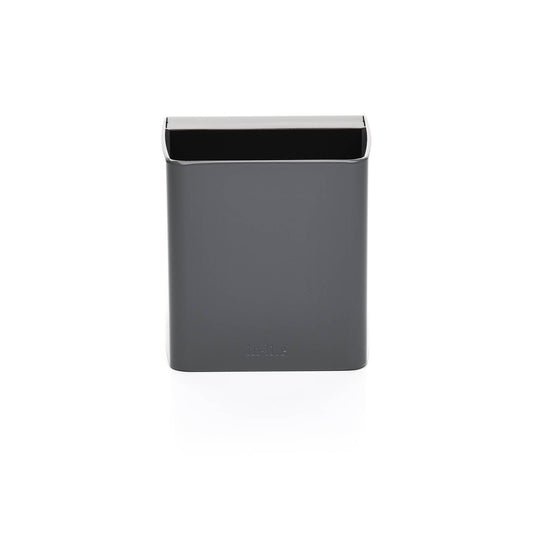

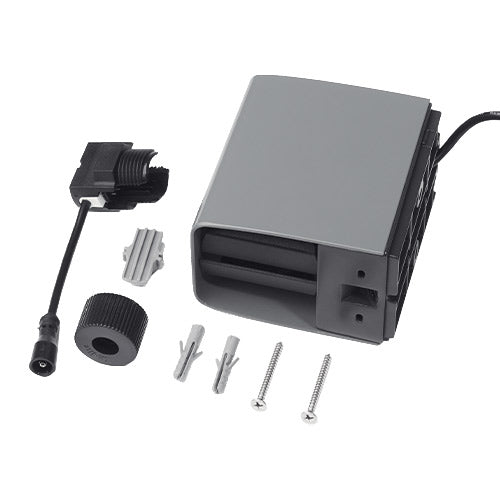

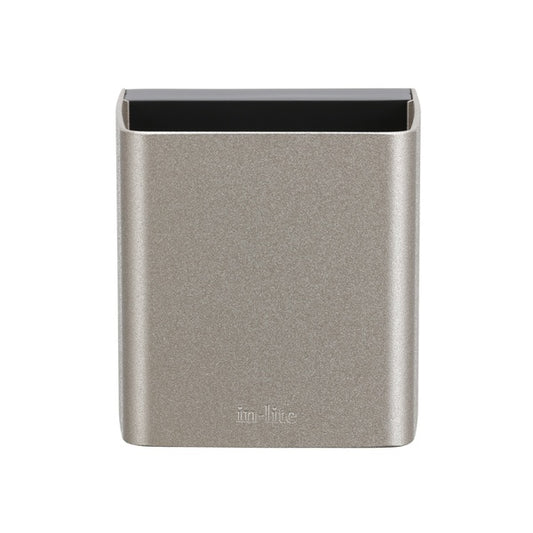

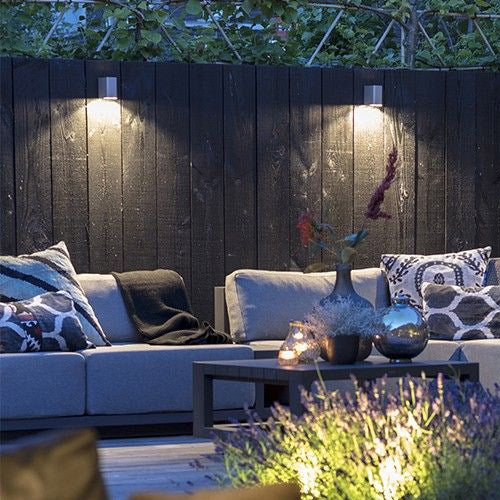









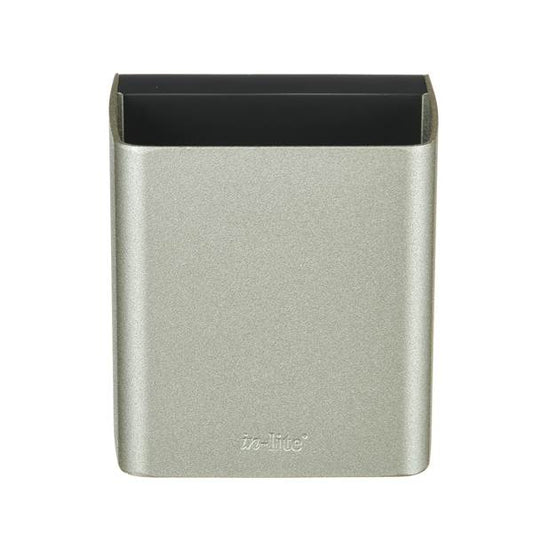

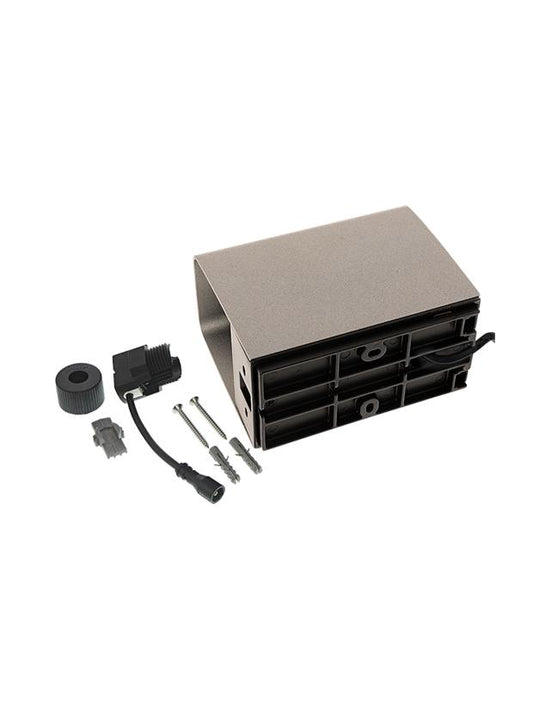

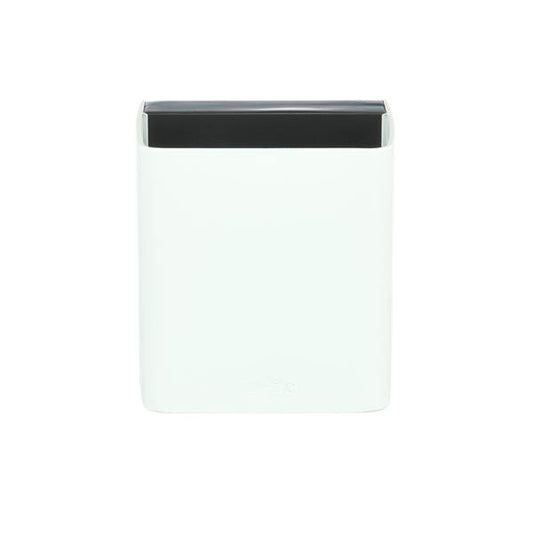

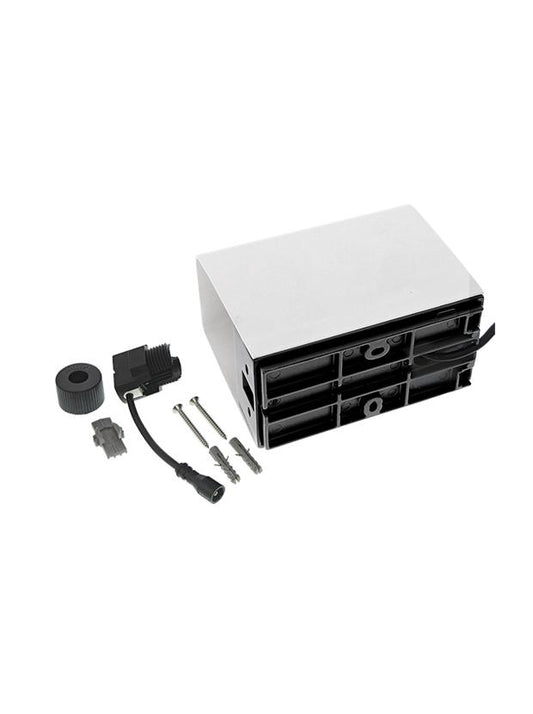

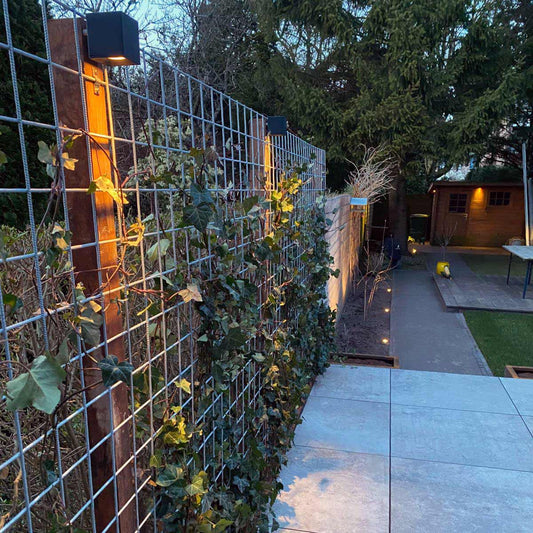

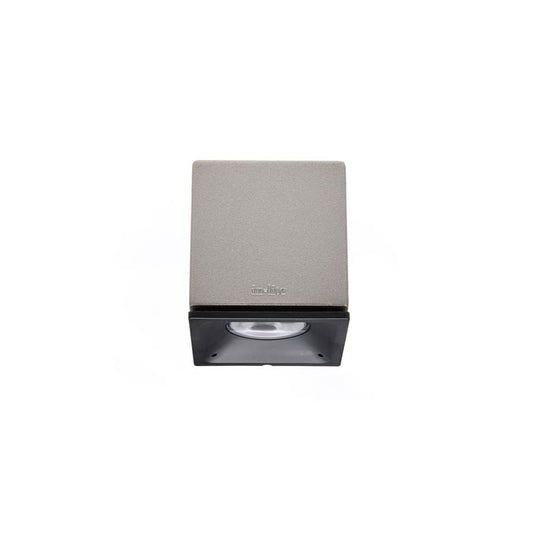

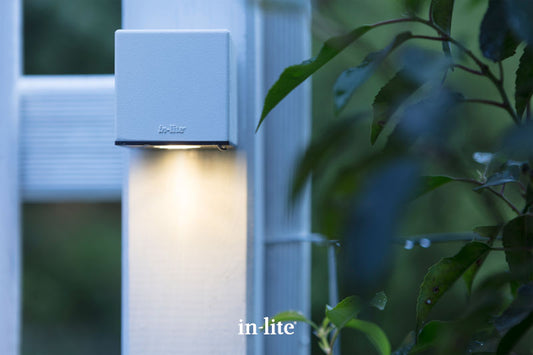

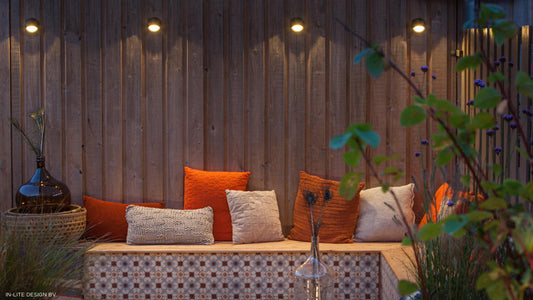












What type of garden shed lighting is best for your space?
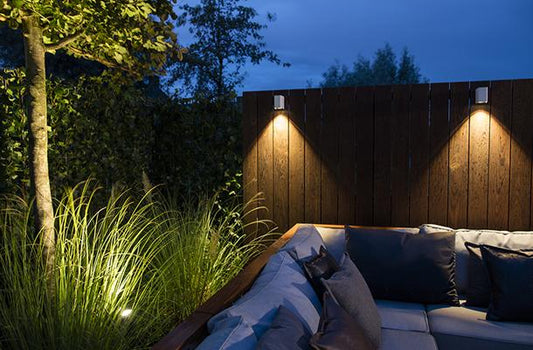
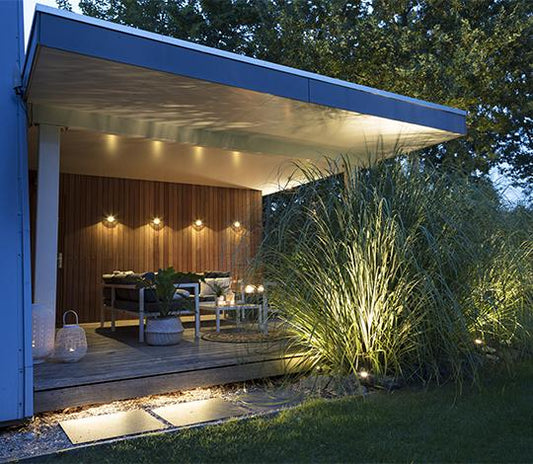
Start with the places where visibility has a practical purpose. The entrance usually needs more direct light, while the route towards the shed benefits from subtle orientation lighting. Additional fixtures can then be used around covered areas, exterior details, or nearby planting.
| Area | Lighting approach | Why it works | in-lite examples |
|---|---|---|---|
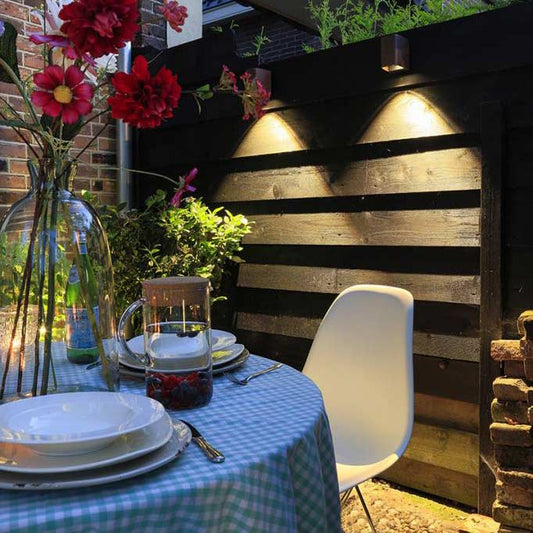
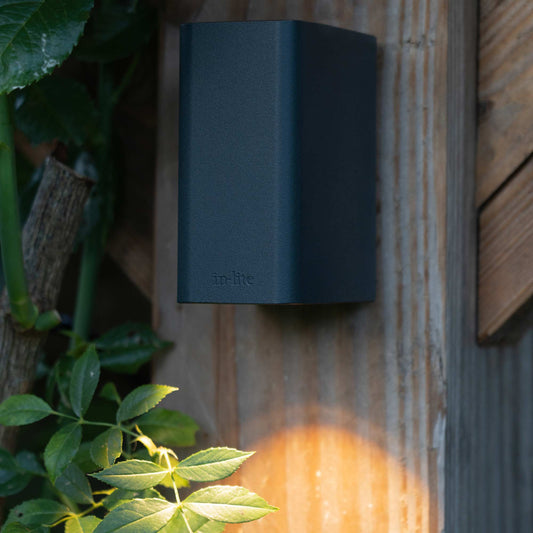
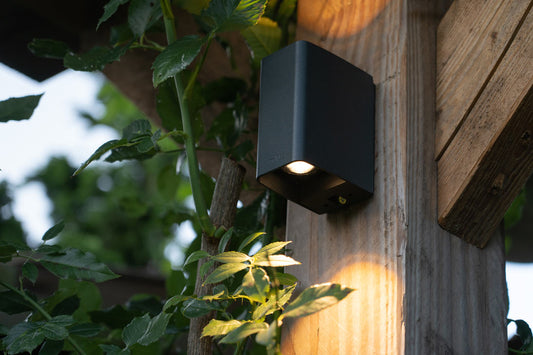
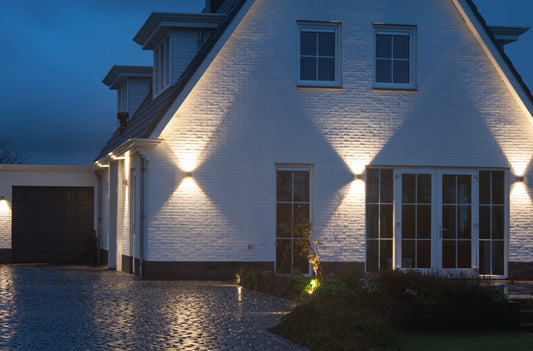
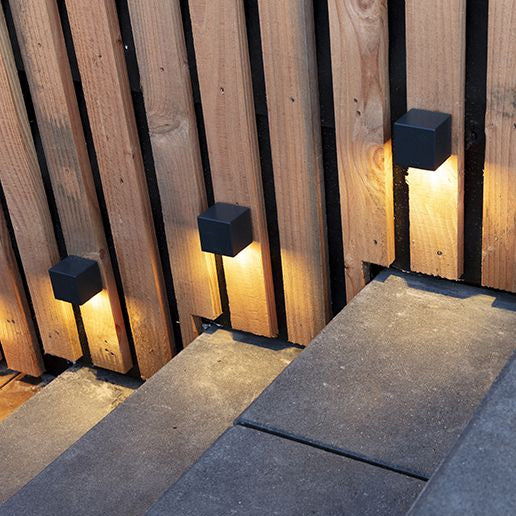
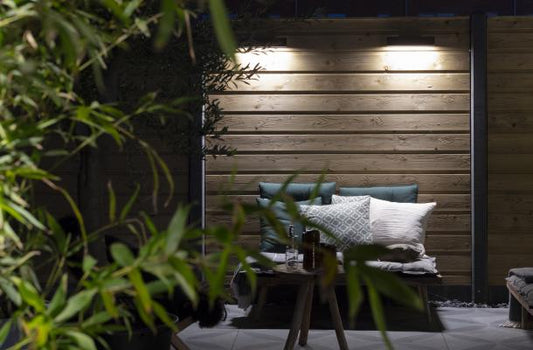
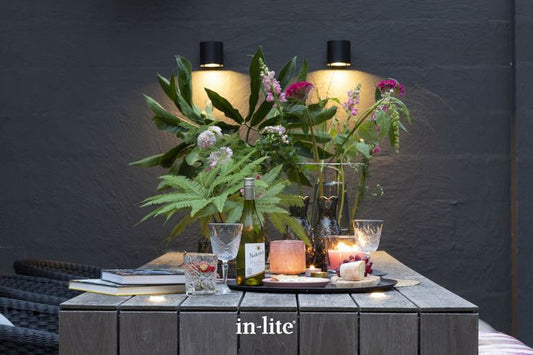
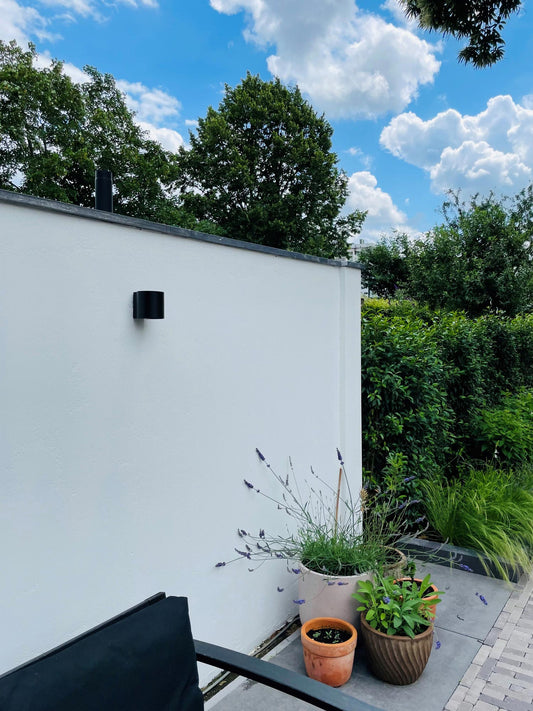
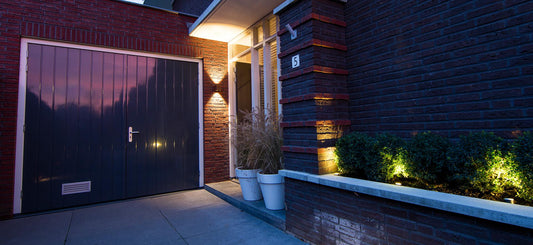
| Door and entrance | in-lite wall light that shines down | Illuminates the door, handle, lock, and immediate area in front of the entrance | ACE DOWN HALO DOWN WEDGE |
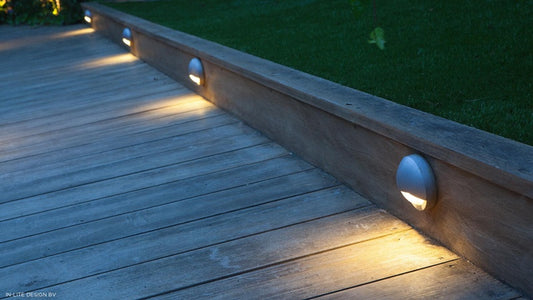
| Path towards the shed | in-lite recessed lights | Marks the route without relying on a continuous row of bollards | DOT HYVE PUCK |
| Roof overhang or covered entrance | in-lite surface-mounted fixture | Provides light from above while keeping walls and ground clear | SCOPE CEILING |
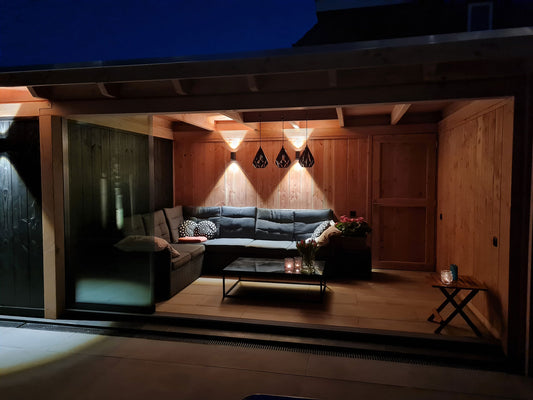
| Covered seating or work area | in-lite pendant light | Creates a dedicated light point above a table or usable outdoor area | DISC PENDANT |
| Architectural edges or construction details | Linear in-lite lighting | Integrates light discreetly into suitable parts of the structure | EVO HYDE |
| Planting or features beside the shed | Directional in-lite spotlight | Separates the shed from its surroundings and highlights selected elements | MINI SCOPE SCOPE |
How should you light the entrance to a garden shed?
Place the main entrance light where it provides clear visibility around the door, handle, lock, and threshold. A DOWN wall light can illuminate both the entrance and the ground immediately in front of it, while a ceiling-mounted fixture can be effective if the shed has a suitable overhang.
Think about where shadows will fall when someone stands in front of the door. Position the fixture so your own body does not block the light, and avoid bright sources directly within the line of sight when approaching the shed. This is particularly useful when accessing bicycles or garden equipment after dark.
How do you light the path to a garden shed?
Use orientation lighting to make the route easy to follow without illuminating the entire path uniformly. Recessed lights such as the DOT, HYVE, or PUCK can mark important points along the route while keeping the path itself free from prominent fixtures.
Prioritise changes in direction, path edges, and transitions between different surfaces. If the route runs through planting, low bollards can provide an alternative where recessed installation is not suitable. Keeping some darker areas between light points preserves contrast while still providing clear visual guidance towards the shed.
Should you choose 12V or 230V garden shed lighting?
Choose 12V lighting when the shed and its surroundings form part of a wider in-lite garden lighting system. This works especially well when combining different fixtures around the shed, such as wall lights, recessed lights, and spotlights within one low-voltage installation.
230V lighting can be a practical choice when the garden shed already has a suitable mains connection, for example because power is available for sockets or equipment. Selected in-lite wall, ceiling, and pendant lights are available for 230V applications. Always treat 230V installations separately from the in-lite 12V system and follow the installation requirements for the specific fixture.
Benefits of good garden shed lighting
-
Makes everyday tasks easier after dark
Clear lighting around the entrance makes it easier to unlock the door and store or work with bicycles, tools, bins, and garden equipment. -
Provides better orientation on the way to the shed
Lighting along the approach helps define path edges, changes in direction, and transitions between surfaces when the shed is located further into the garden. -
Expands how you can use the building
Lighting around an overhang, work area, or covered seating space allows a garden shed to serve more purposes than storage alone. -
Improves the appearance of a practical structure
Well-chosen functional lighting, as well as ambient lighting, can highlight the design and materials of the shed, giving it a prettier appearance after dark.
Buy in-lite garden shed lighting at Gardenlightsstore.com
Explore in-lite garden shed lighting at Gardenlightsstore.com, from wall and ceiling lights to recessed orientation lighting and directional spotlights. With over 20 years of experience with in-lite, our lighting specialists can help you choose the right fixtures and approach for your garden shed and its surroundings.
Orders over €100 qualify for free shipping across the EU, and all products come with a 5-year warranty.
Frequently asked questions
How do you choose the right outdoor light for each part of the garden?
Choose the fixture according to the application and desired light effect. Spotlights work well for directional accent lighting, recessed lights provide discreet illumination, and bollards add light around paths and planting. Wall, pendant, or ceiling lights can provide ambient and functional light around buildings and seating areas.
Can smart lighting help me create different atmospheres in my garden?
Yes. Compatible in-lite smart fixtures allow you to adjust light intensity and, depending on the fixture, light colour through the in-lite app. You can also use lighting zones and routines to adapt different parts of the garden to relaxing, dining, or entertaining.
How do I make my garden feel warm and inviting with lighting?
Use warm white light (2700K to 3000K) and combine lighting at different heights to create a welcoming atmosphere. Add soft light around seating areas, use directional lighting to highlight selected plants or trees, and leave some areas darker. This balance of light and shadow creates depth and prevents the garden from looking uniformly lit.
How do I choose the right outdoor spotlight for my garden?
Choose an outdoor spotlight based on what you want to illuminate, the size of the feature and the lighting effect you want to create. Compact spotlights are suitable for smaller plants and shrubs, while larger features such as mature trees may require a more powerful spotlight. For water features, choose a fixture specifically designed for that application.
Can I install an in-lite transformer outdoors?
Yes. An in-lite transformer can be installed outdoors, but it must be mounted correctly and protected from the weather. in-lite recommends mounting the transformer at least 50 cm above the ground and away from direct rainfall. If no sheltered location is available, use a compatible in-lite PROTECTOR for your HUB model.
View product: in-lite | HUB PROTECTOR 1 | (SMART) HUB 75 and 150 →
Can I expand my garden lighting system later?
Yes. One of the advantages of the in-lite 12V system is that it can easily be expanded over time. You can start with lighting for your patio and pathways, then add fixtures for trees, borders, or other garden features as your lighting plan evolves.
How do I make a lighting plan for my garden?
A garden lighting plan is a simple sketch that shows where every outdoor light will be installed before you buy any fixtures. A good lighting plan improves safety, highlights key features such as trees and pathways, and helps you choose the correct transformer and number of fixtures. Most gardens can be planned in five simple steps and within an hour.
What's the difference between functional and atmospheric lighting?
Functional lighting keeps you safe; think steps, doorways, and paths. Atmospheric lighting is there to set the mood, like a tree lit from below or a soft glow near your terrace.