
Façade lighting
-
in-lite | ACE DOWN Corten 230V | Wall lights
Regular price €209,26Regular price -
in-lite | ACE DOWN Dark 230V | Wall lights
Regular price €204,30Regular price -
in-lite | ACE DOWN Flat Grey 230V | Wall lights
Regular price €195,37Regular price -
in-lite | ACE DOWN Rose Silver 230V | Wall lights
Regular price €204,30Regular price -
in-lite | ACE DOWN White 230V | Wall lights
Regular price €204,30Regular price -
in-lite | ACE UP-DOWN Corten 230V | Wall lights
Regular price €232,07Regular price -
in-lite | ACE UP-DOWN Dark 230V | Wall lights
Regular price €228,10Regular price -
in-lite | ACE UP-DOWN Flat Grey 230V | Wall lights
Regular price €228,10Regular price -
in-lite | ACE UP-DOWN White 230V | Wall lights
Regular price €228,10Regular price -
in-lite | BIG FLUX Black | Recessed lights
Regular price €162,65Regular price -
in-lite | BIG FLUX Pearl Grey | Recessed lights
Regular price €162,65Regular price -
in-lite | BIG FLUX Stainless Steel | Recessed lights
Regular price €162,65Regular price -
in-lite | FLUX 22 Black | Recessed lights
Regular price €69,42Regular price -
in-lite | FLUX 22 Pearl Grey | Recessed lights
Regular price €69,42Regular price -
in-lite | FLUX 22 Stainless Steel | Recessed lights
Regular price €69,42Regular price -
in-lite | FLUX 60 Black | Recessed lights
Regular price €108,10Regular price -
in-lite | FLUX 60 Pearl Grey | Recessed lights
Regular price €108,10Regular price -
in-lite | FLUX 60 Stainless Steel | Recessed lights
Regular price €108,10Regular price -
in-lite | HALO DOWN Dark 230V | Wall lights
Regular price €237,02Regular price -
in-lite | HALO DOWN Dark | Wall lights
Regular price €185,46Regular price -
in-lite | HALO UP-DOWN Dark 230V | Wall lights
Regular price €246,95Regular price -
in-lite | HALO UP-DOWN Dark | Wall lights
Regular price €224,14Regular price -
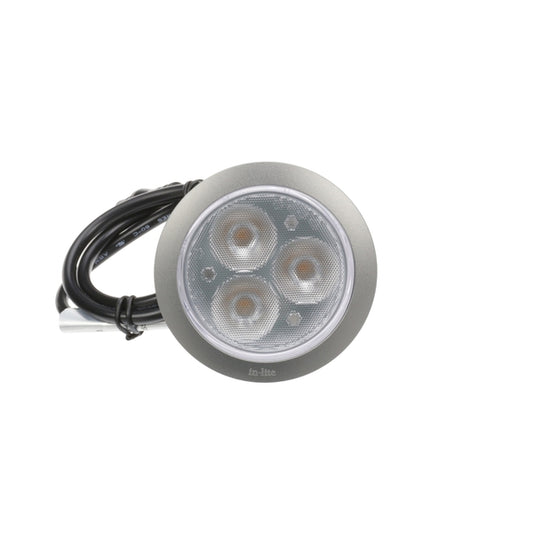
in-lite | LUNA Black | Recessed lights
Regular price €147,77Regular price -
in-lite | LUNA Pearl Grey | Recessed lights
Regular price €147,77Regular price -
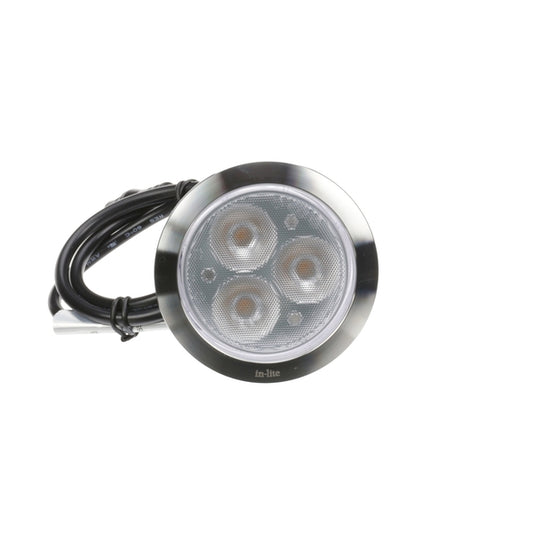
in-lite | LUNA Stainless Steel | Recessed lights
Regular price €147,77Regular price -
in-lite | SCOPE | Outdoor spotlights
Regular price €130,91Regular price -
in-lite | SMART SCOPE TONE | Outdoor Spotlights
Regular price €197,35Regular price

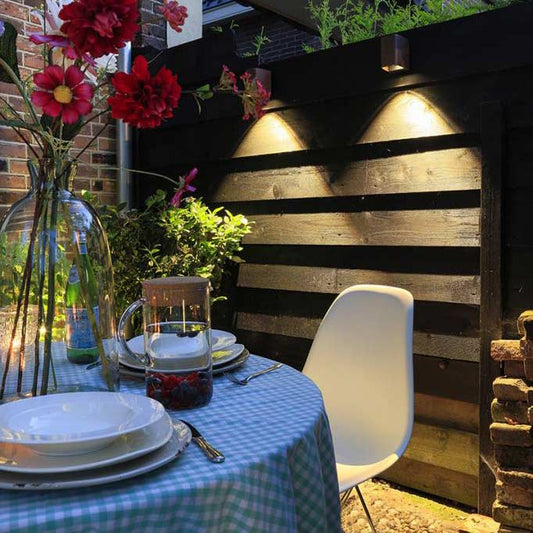

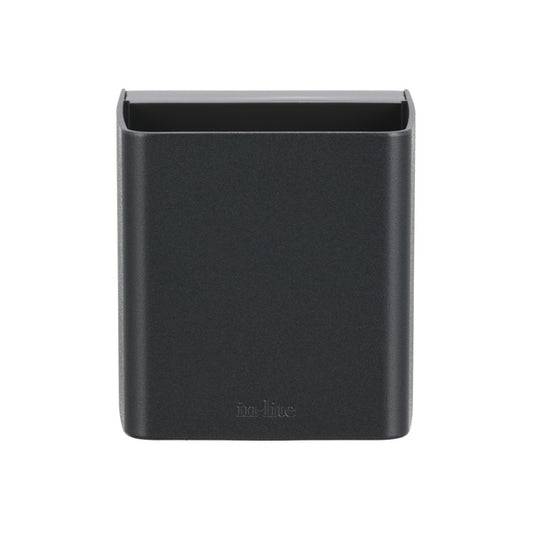

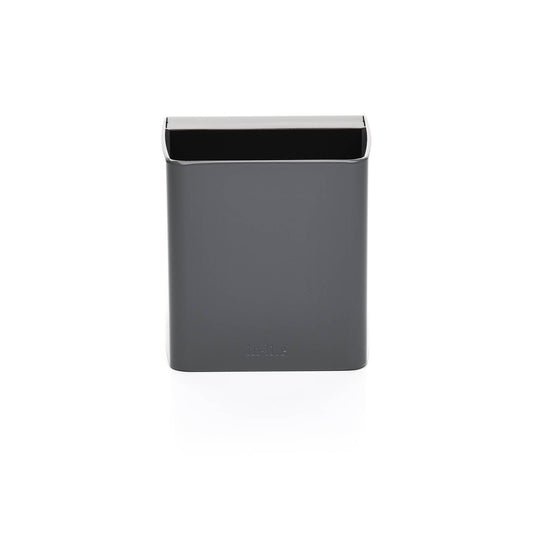

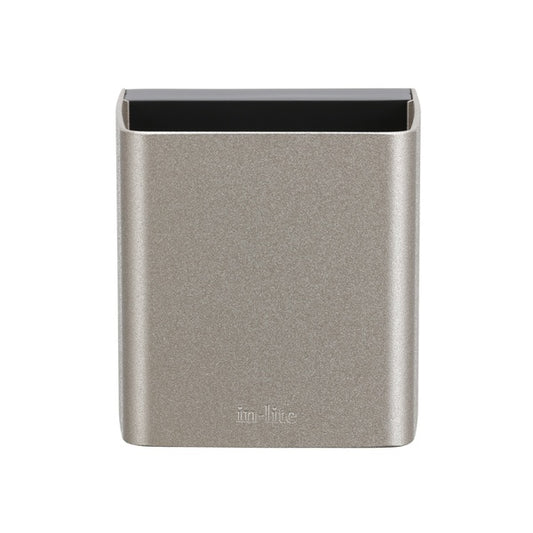






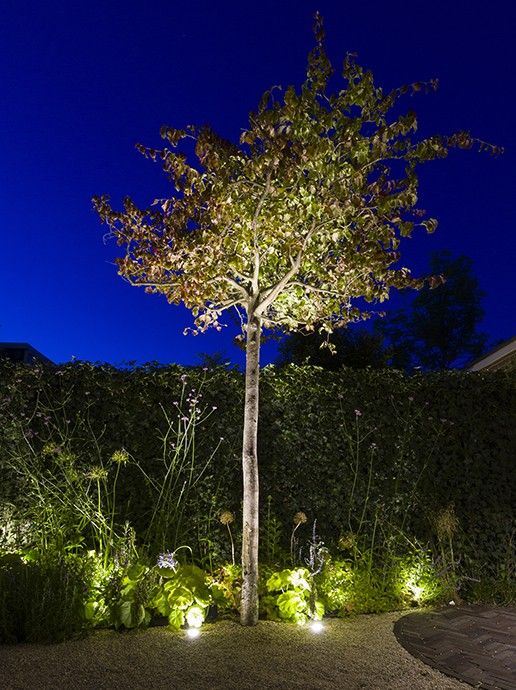

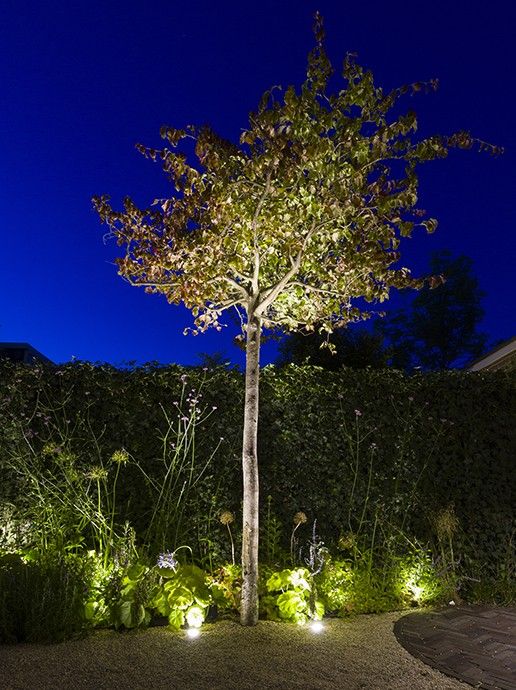

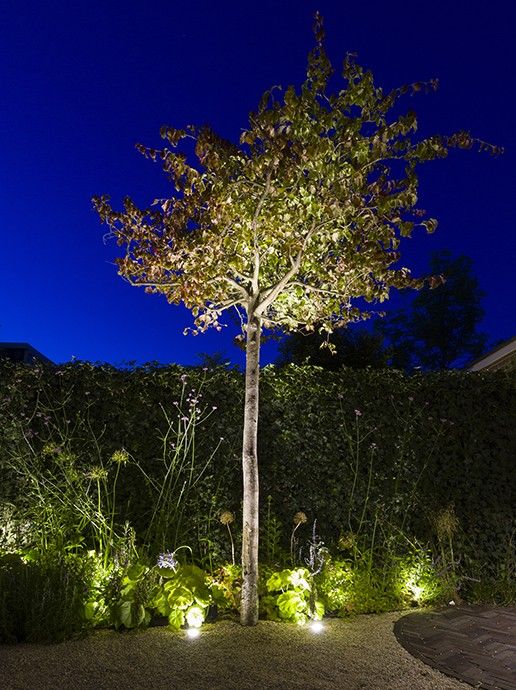

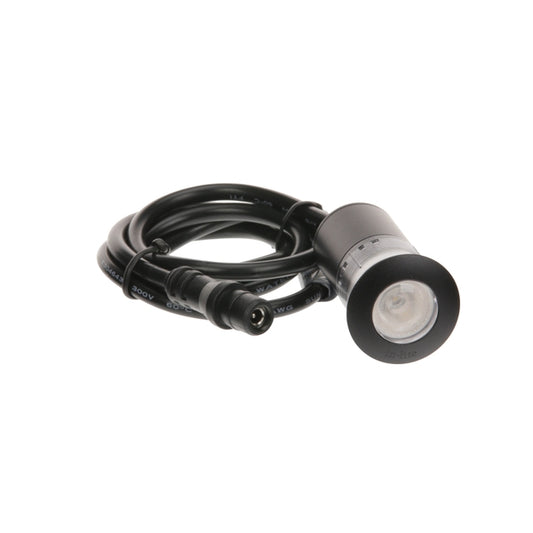

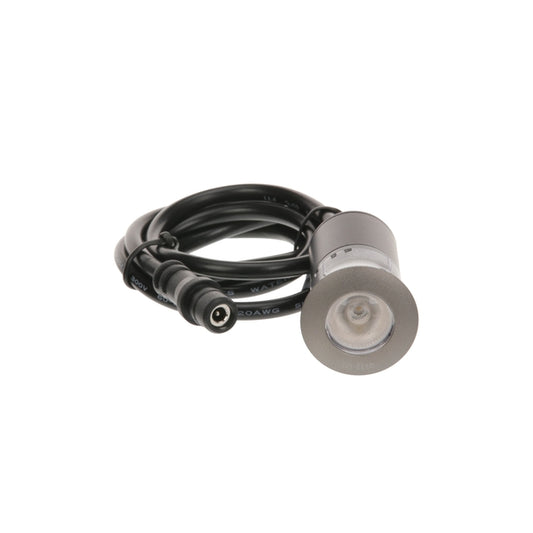

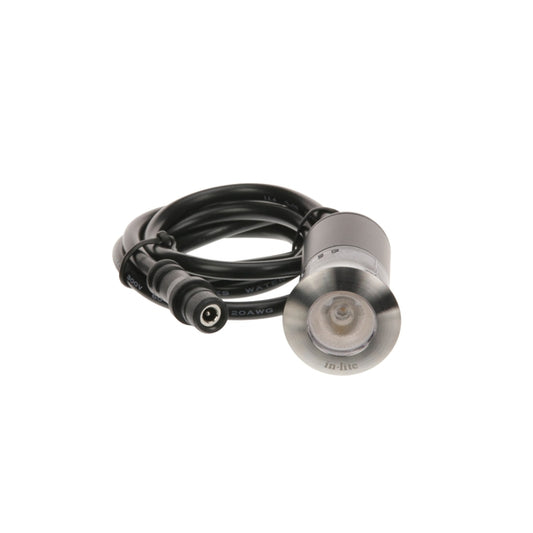

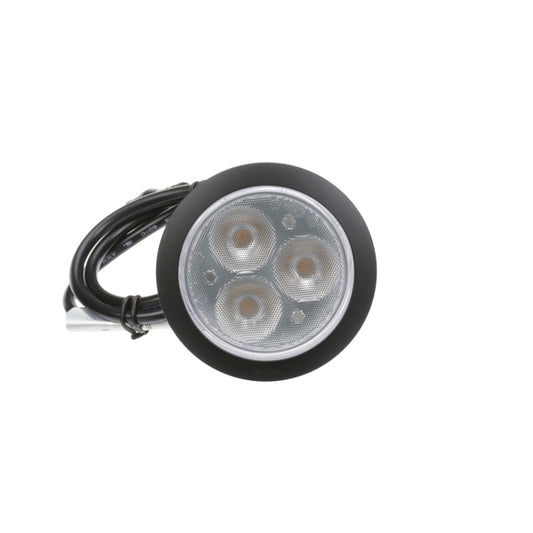





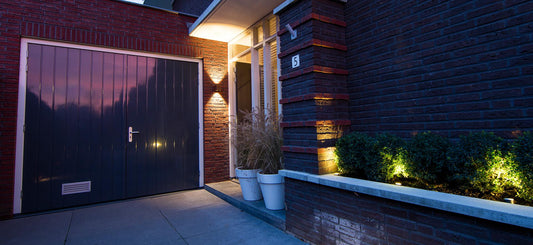

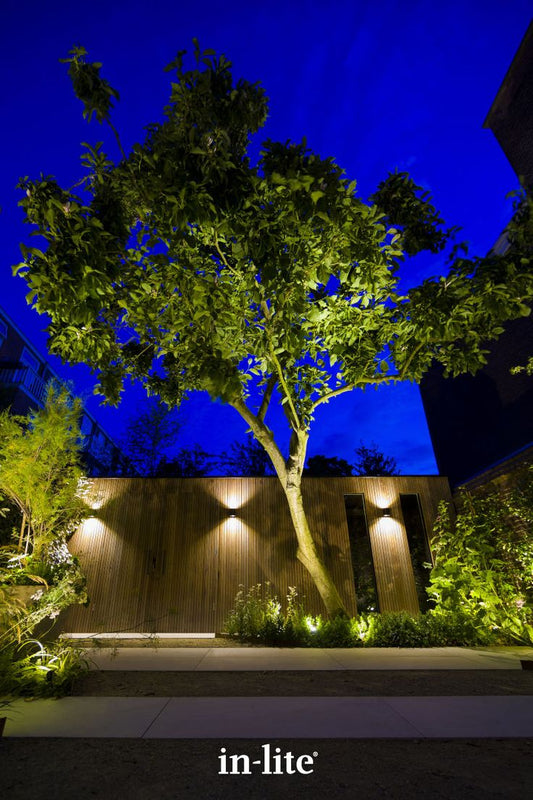

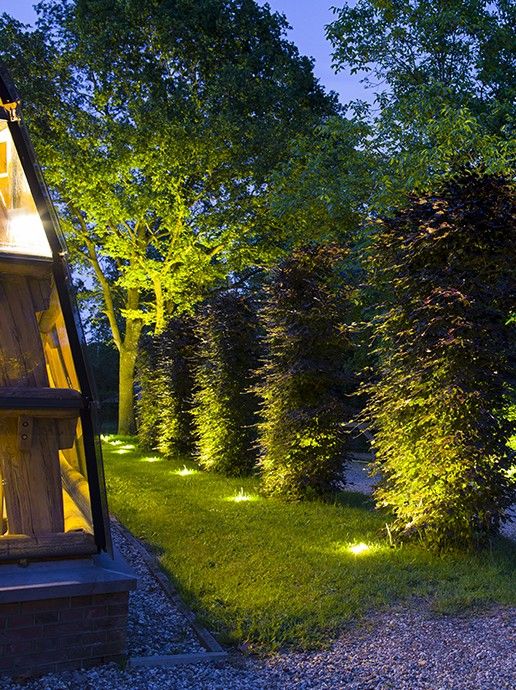


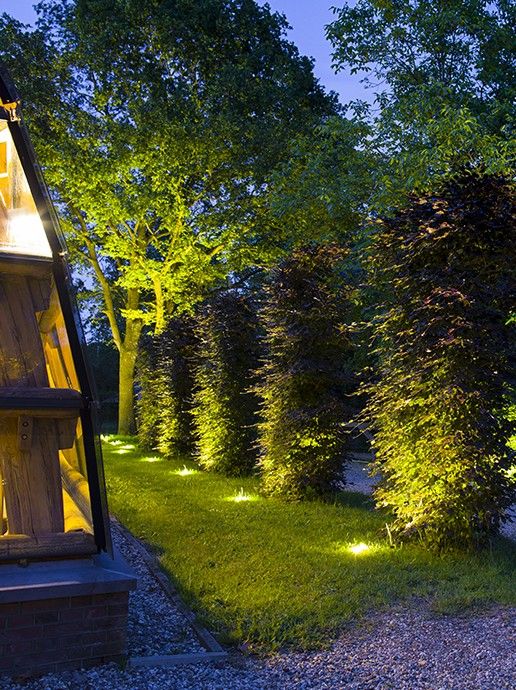

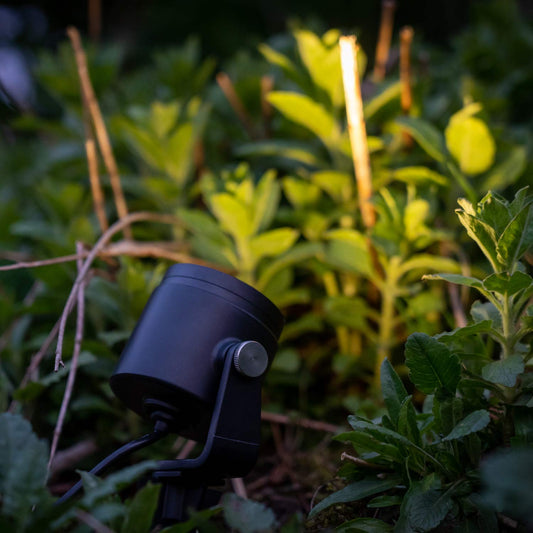

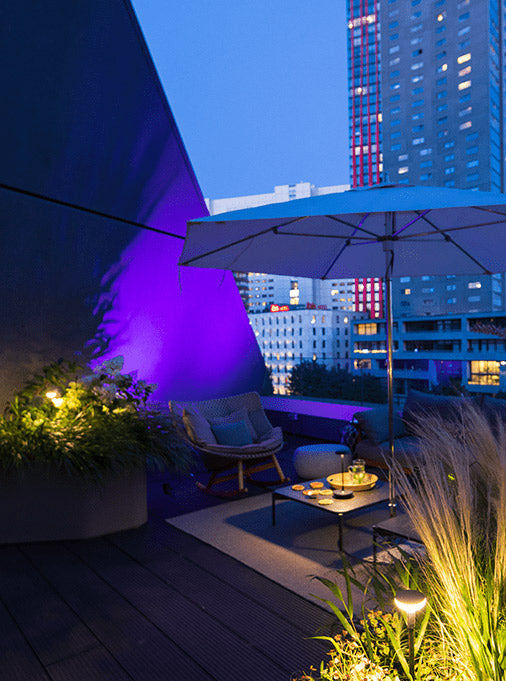
Which façade lighting is best for your garden?
Use the existing lines and features of the building to determine where façade lighting will have the greatest effect. Doors, columns, recesses, and uninterrupted wall surfaces each benefit from a different lighting approach.
| Architectural feature | Lighting approach | Effect | in-lite examples |
|---|---|---|---|
| Columns and narrow vertical sections | in-lite wall lights with up-down lighting | Reinforces vertical lines and creates a defined architectural rhythm | ACE UP-DOWN HALO UP-DOWN |
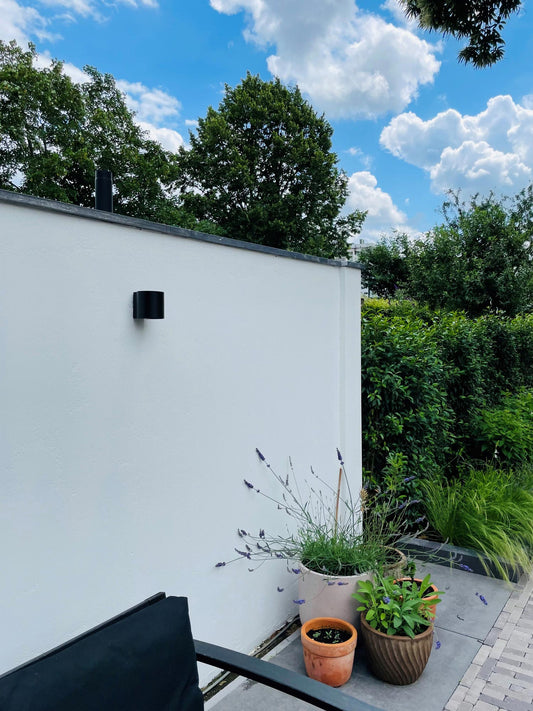
| Entrance or doorway | in-lite wall lights that shine down | Illuminates the area below the fixture and makes the entrance more visually distinct | ACE DOWN HALO DOWN |
| Large uninterrupted wall | in-lite recessed lights shining upwards | Introduces light from ground level without adding visible fixtures to the wall | LUNA FLUX BIG FLUX |
| Recesses or individual details | in-lite spotlights with directional accent lighting | Allows specific architectural elements to be picked out independently | in-lite SCOPE series |
Should you light a façade from above or below?
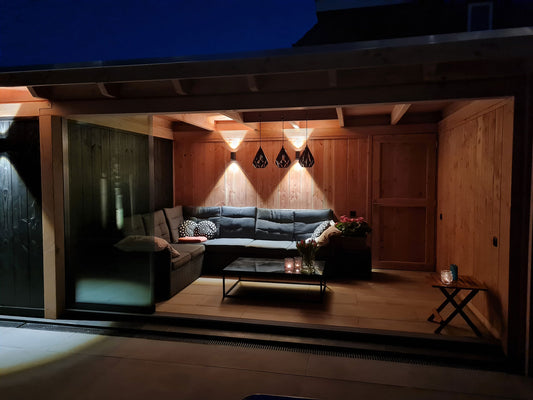
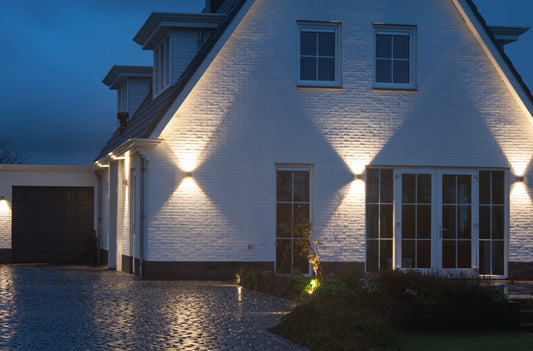
Lighting direction changes how the architecture is perceived. Uplighting draws the eye upwards and can make vertical features appear more prominent, particularly when the light travels across textured masonry. Downlighting concentrates attention lower on the façade and can also illuminate the area beside the building.
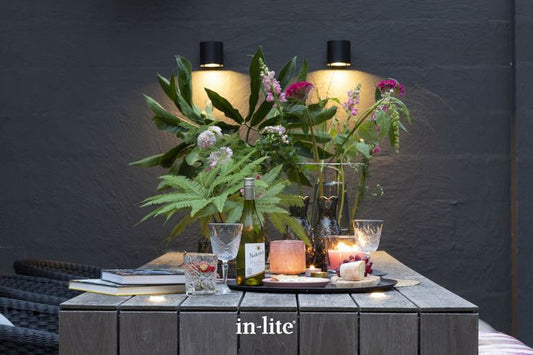
An up-down light creates two opposing beams from a single fixture. This works particularly well where repeated fixtures are used to reinforce architectural lines or create a consistent pattern of light across the façade. The choice should therefore follow the shape and proportions of the building rather than applying the same lighting direction to every wall.
How does the façade material affect the lighting?
The same fixture can create a very different effect depending on the colour, texture, and relief of the façade. Brick, natural stone, and other textured surfaces produce stronger highlights and shadows when light travels across them, making joints and irregularities more pronounced.
Smooth or light-coloured façades reflect light more evenly, so a softer or more restrained light effect may be preferable. Darker materials absorb more light and can require a more focused approach to make architectural details stand out. Always consider the surface itself when deciding on the direction and intensity of the light.
Where should you position façade lights?
Use doors, windows, columns, corners, and changes in the building as reference points rather than spacing fixtures evenly across the wall. This helps the lighting follow the architecture and avoids creating an artificial pattern that does not relate to the building.
For uplighting from ground level, the distance between the fixture and the façade influences the result. A position closer to the wall can emphasise the textures, while moving the light further away changes how the beam spreads across the façade. Also consider windows and nearby seating areas when positioning fixtures to prevent distracting glare or reflections.
How do you use façade lighting around an entrance?
Entrance lighting should make the door and immediate approach clearly visible without turning the entire façade into a brightly lit surface. A DOWN wall light can concentrate light around the doorway, while nearby accent lighting can help visually integrate the entrance into the rest of the façade.
Consider the position of the light in relation to the door and anyone approaching it. Avoid placing bright light sources directly within the normal line of sight, and make sure decorative lighting does not create strong shadows where visibility is needed.
Benefits of good façade lighting
-
Reveals architectural character after dark
Carefully positioned light keeps columns, recesses, entrances, and other defining features visible when daylight disappears. -
Brings materials to life
Light and shadow can emphasise the relief of brickwork, natural stone, and other textured exterior surfaces. -
Makes entrances easier to recognise and use
Targeted lighting improves visibility around doors and the immediate approach to the building. -
Creates a stronger backdrop for the garden
An illuminated façade adds depth behind terraces and planting, preventing the house from becoming a dark boundary when night falls. -
Consistent colours throughout various designs
A lot of the in-lite series keep a consistent colour scheme, allowing you to mix and match different fixtures with the surroundings or other lamps.
Buy in-lite façade lighting at Gardenlightsstore.com
Explore in-lite façade lighting at Gardenlightsstore.com, from DOWN and UP-DOWN wall lights to recessed lights and adjustable spotlights. With over 20 years of experience with in-lite, our lighting specialists can help you choose the right fixtures and positioning for your façade.
Orders over €100 qualify for free shipping across the EU, and all products come with a 5-year warranty.