
in-lite FLUX
-
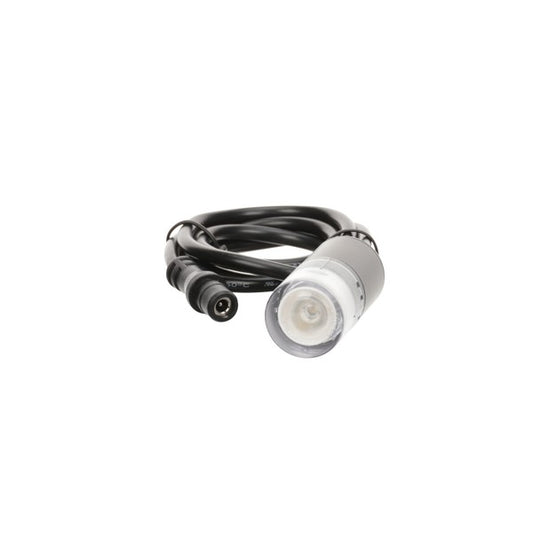
in-lite | FLUX 22 Black | Recessed lights
Regular price €69,42Regular price -
in-lite | FLUX 22 Pearl Grey | Recessed lights
Regular price €69,42Regular price -
in-lite | FLUX 22 Stainless Steel | Recessed lights
Regular price €69,42Regular price -
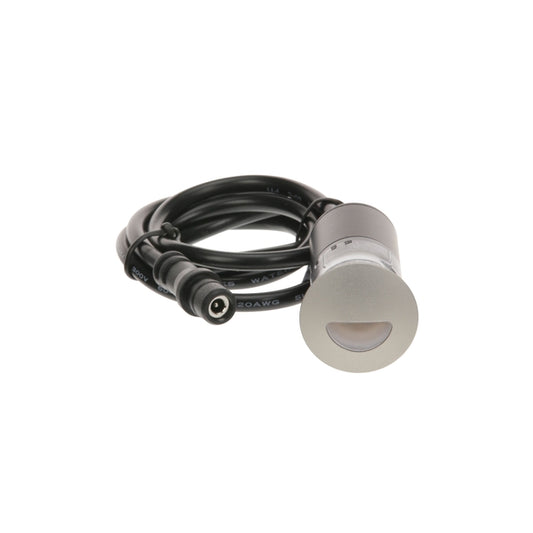
in-lite | FLUX 22 SHIELD Black | Recessed lights
Regular price €74,38Regular price -
in-lite | FLUX 22 SHIELD Pearl Grey | Recessed lights
Regular price €74,38Regular price -
in-lite | FLUX 22 SHIELD Stainless Steel | Recessed lights
Regular price €74,38Regular price -
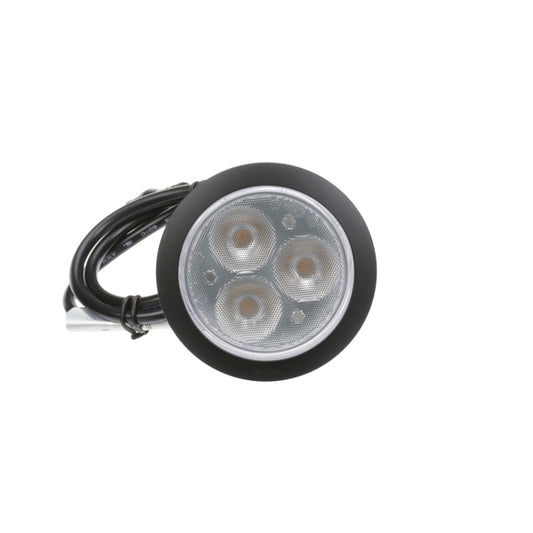
in-lite | FLUX 60 Black | Recessed lights
Regular price €108,10Regular price -
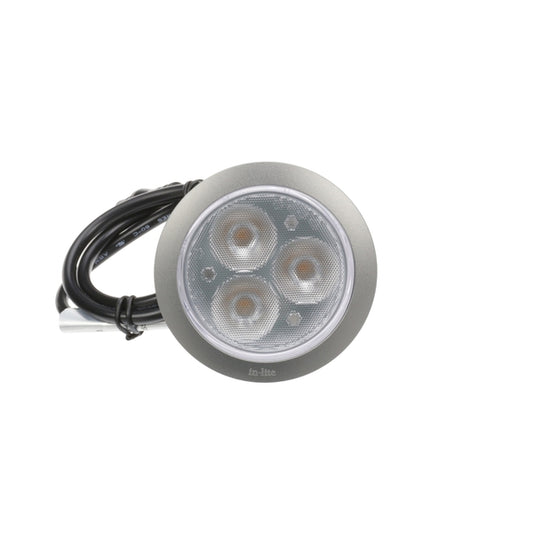
in-lite | FLUX 60 Pearl Grey | Recessed lights
Regular price €108,10Regular price -
in-lite | FLUX 60 Stainless Steel | Recessed lights
Regular price €108,10Regular price -
in-lite | SMART FLUX TONE Black | Recessed lights
Regular price €271,74Regular price -
in-lite | SMART FLUX TONE Pearl Grey | Recessed lights
Regular price €271,74Regular price -
in-lite | SMART FLUX TONE Stainless Steel | Recessed lights
Regular price €271,74Regular price -
in-lite | BIG FLUX Black | Recessed lights
Regular price €162,65Regular price -
in-lite | BIG FLUX Pearl Grey | Recessed lights
Regular price €162,65Regular price -
in-lite | BIG FLUX Stainless Steel | Recessed lights
Regular price €162,65Regular price -
in-lite | BIG FLUX NARROW Black | Recessed lights
Regular price €162,65Regular price -
in-lite | BIG FLUX NARROW Pearl Grey | Recessed lights
Regular price €162,65Regular price -
in-lite | BIG FLUX NARROW Stainless Steel | Recessed lights
Regular price €162,65Regular price -
in-lite | BIG FLUX ASYMMETRIC Black | Recessed lights
Regular price €162,65Regular price -
in-lite | BIG FLUX ASYMMETRIC Pearl Grey | Recessed lights
Regular price €162,65Regular price -
in-lite | BIG FLUX ASYMMETRIC Stainless Steel | Recessed lights
Regular price €162,65Regular price -
in-lite | FLUX 22 | Recessed lights
Regular price €59,51Regular price -
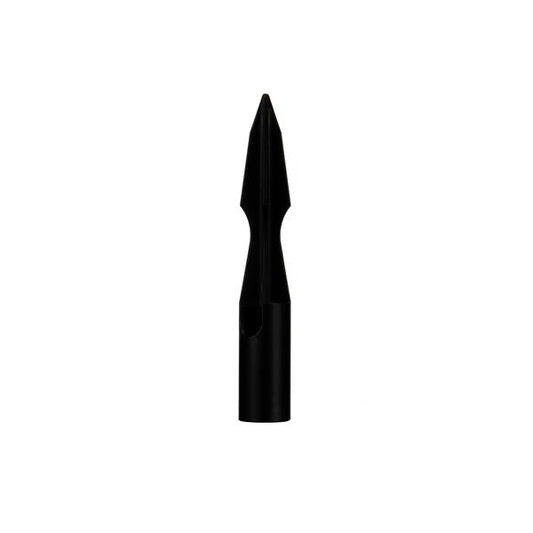
in-lite | SPIKE 22 | Accessories
Regular price €7,44Regular price -
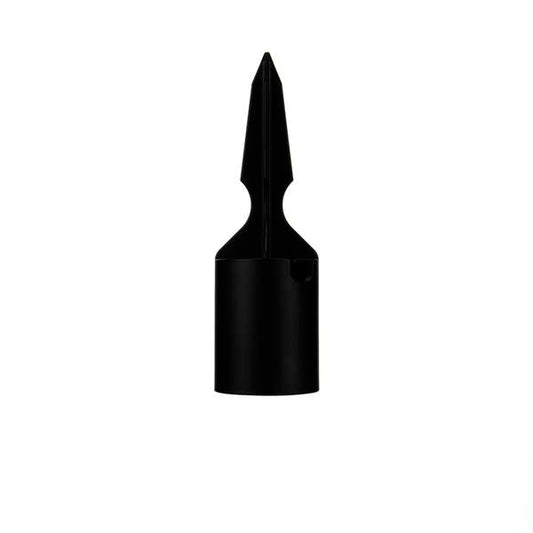
in-lite | SPIKE 60 | Accessories
Regular price €9,42Regular price

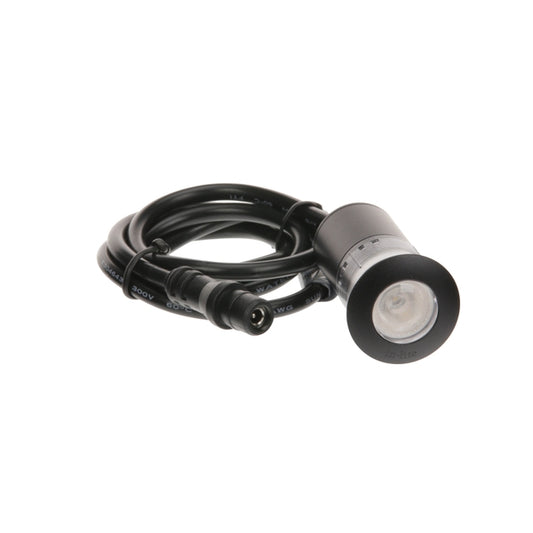

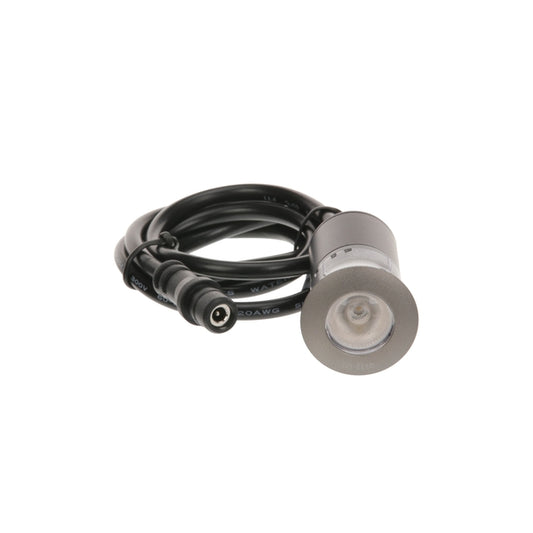

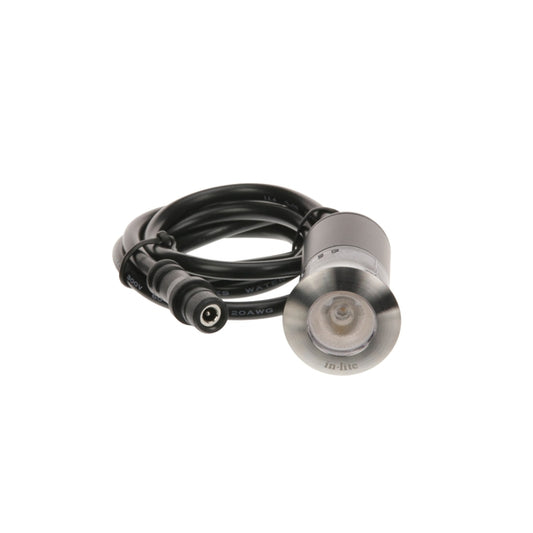

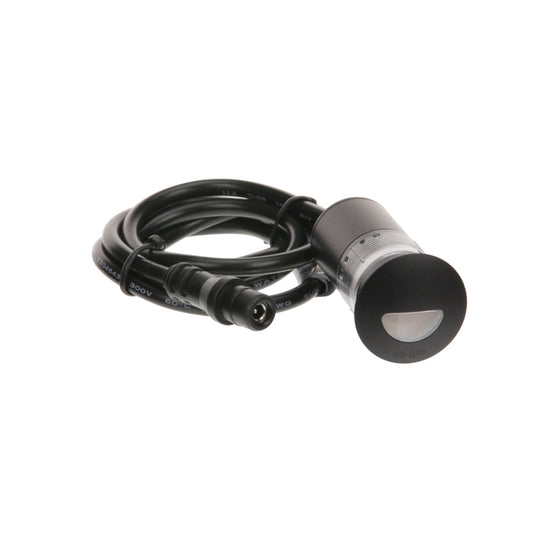


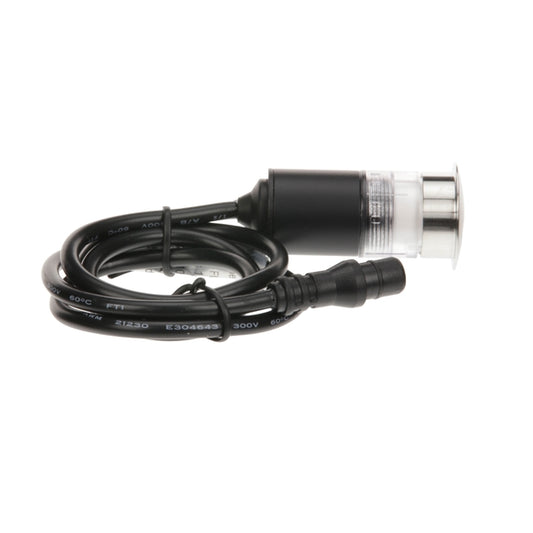



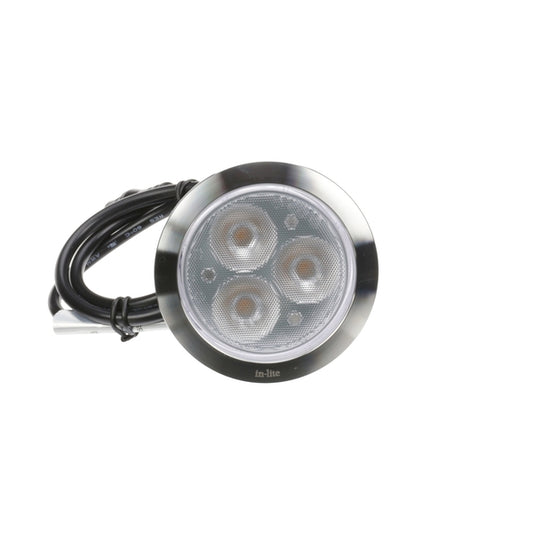

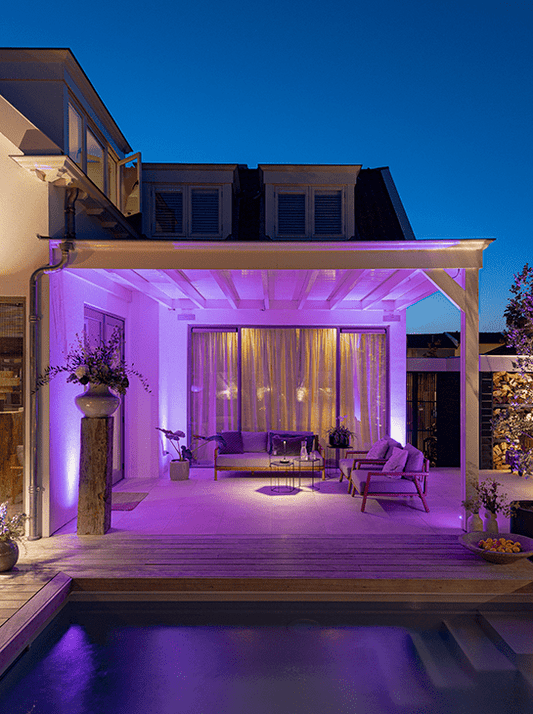

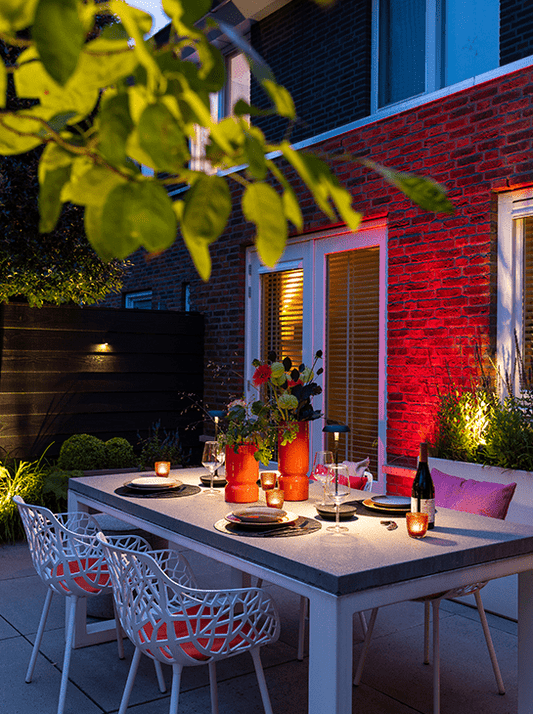


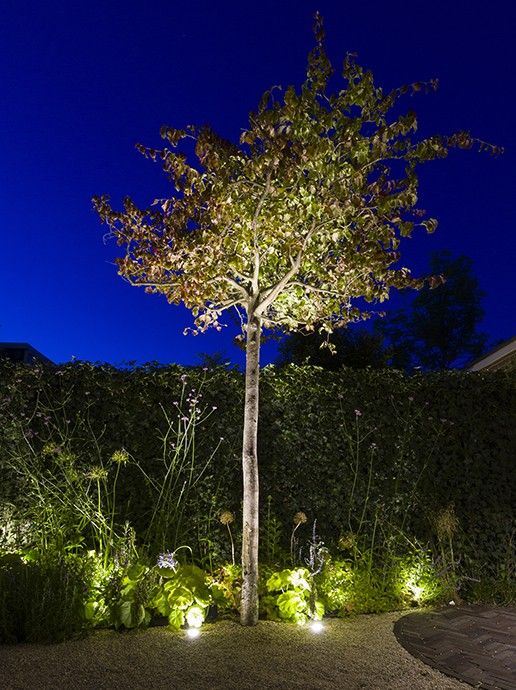

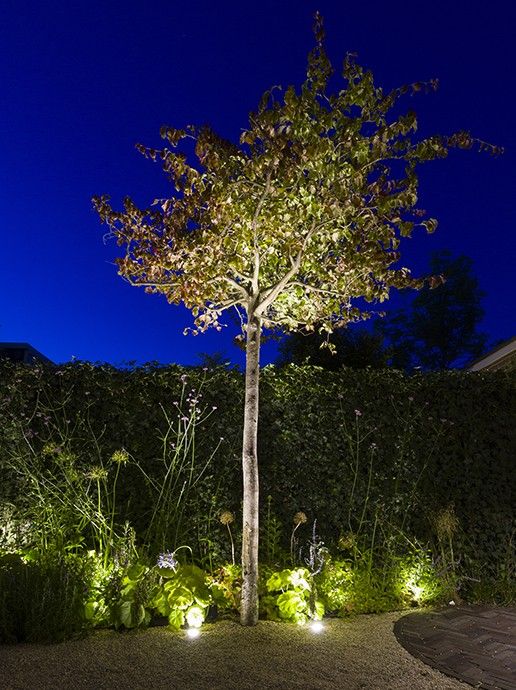

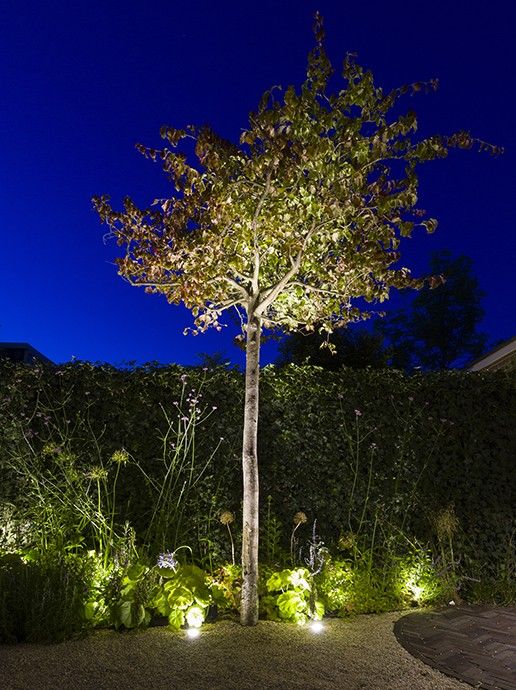

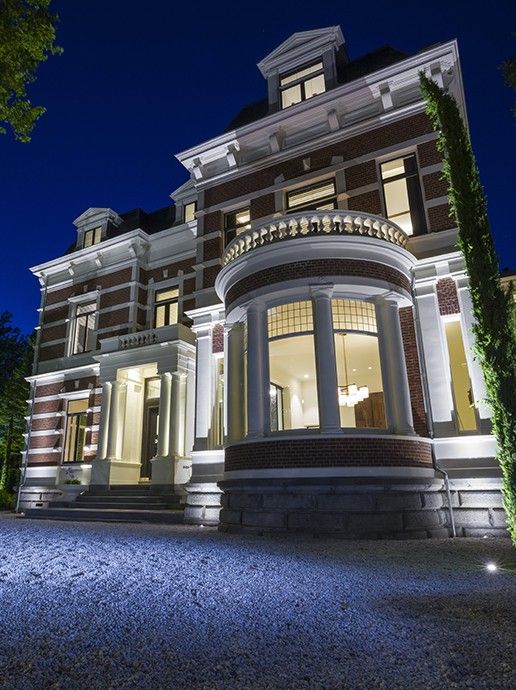

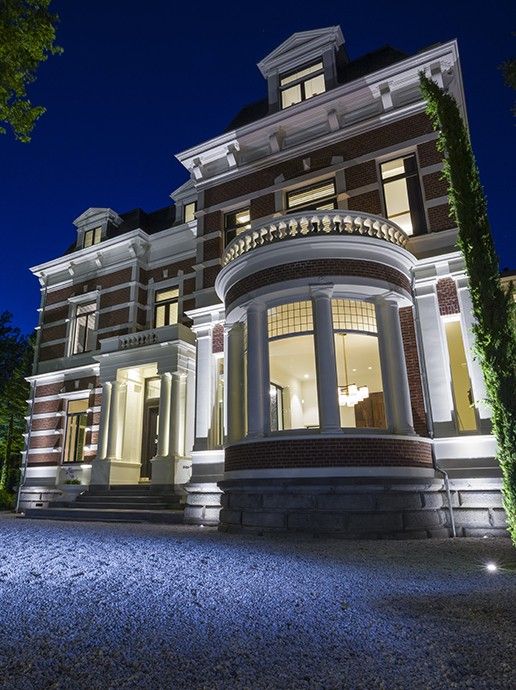

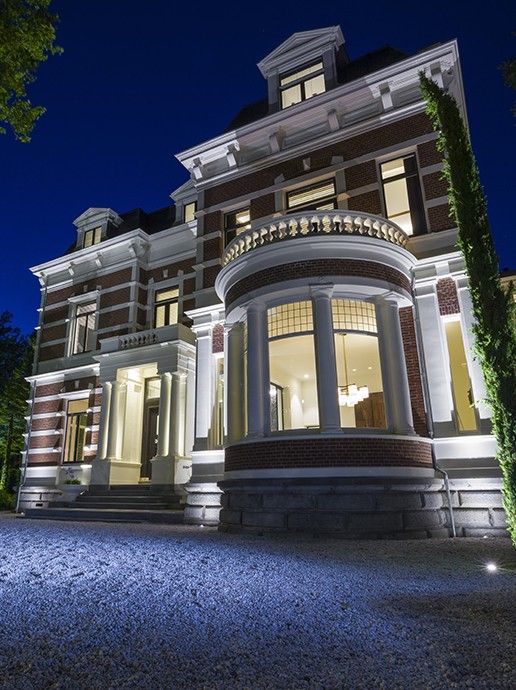

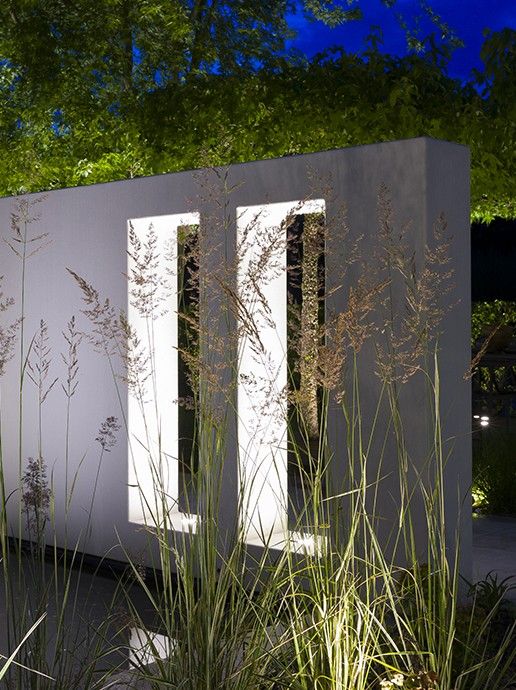

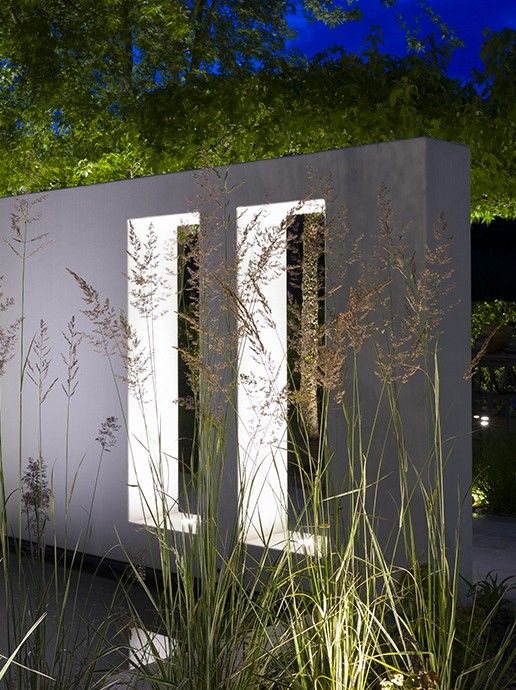




Which in-lite FLUX is right for your garden?
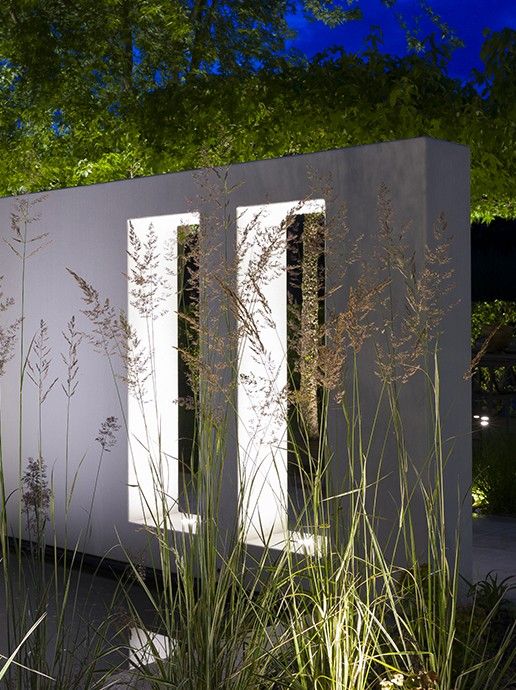
Choose your FLUX based on the size and shape of the feature you want to illuminate. Compact models suit smaller garden features, while the BIG FLUX models offer different beam widths and longer reaches for larger, taller, or wider elements.
| in-lite model | Beam / light effect | Light reach | Best suited for |
|---|---|---|---|
| in-lite FLUX 22 | Compact, concentrated beam | Approx. 3 m | Medium-height planting, borders, sculptures, and smaller vertical features |
| in-lite FLUX 22 SHIELD | Concentrated beam, shielded on one side | Approx. 3 m | Paths, steps, and walls where reducing glare or stray light on one side is important |
| in-lite FLUX 60 | Powerful, concentrated uplight | Approx. 5 m | Trees, pergola posts, sculptures, and façade details |
| in-lite SMART FLUX TONE | Adjustable RGBW light | Approx. 5 m | Features where adjustable colour and brightness are desired |
| in-lite BIG FLUX | 26° beam | Approx. 7,5 m | Larger trees, multi-stem trees, and broader façades |
| in-lite BIG FLUX NARROW | Narrow 13° beam | Approx. 11 m | Tall, narrow trees, columns, and high vertical features |
| in-lite BIG FLUX ASYMMETRIC | Asymmetric 65° or 18° beam | Approx. 6 m | Façades, wide passages, and broad vertical surfaces |
Which accessories do you need for the in-lite FLUX?
The compatible finishing and mounting accessories depend on the FLUX model. The FLUX 60 uses the PLATE 75x75 and BOX 100, while the BIG FLUX models use accessories designed for fixtures with a ring on the fixture.
| in-lite accessory | Compatible with | What is it for? |
|---|---|---|
| in-lite PLATE 75x75 | in-lite FLUX 60 | Creates a clean, square visible finish around the recessed light |
| in-lite BOX 100 | in-lite FLUX 60 | Provides stable installation in gravel, chippings, or between paving |
| in-lite PLATE 1 | in-lite BIG FLUX (NARROW and ASYMMETRIC) | Creates a square 75 x 75 mm finish around the fixture, available in Dark, Stainless Steel, and Pearl Grey |
| in-lite BOX 1 | in-lite BIG FLUX (NARROW and ASYMMETRIC) | Provides stable installation between paving or in gravel, available in Dark, Stainless Steel, and Pearl Grey |
Why choose the in-lite FLUX series?
-
Powerful recessed uplighting
Direct focused light upwards to highlight trees, planting, façades, and other vertical features. -
Different beam angles and light reaches
Choose from compact, wide, narrow, and asymmetric beams to match the height and shape of the feature you want to illuminate. -
Light reach up to approximately 11 metres
The BIG FLUX NARROW combines a narrow 13° beam with the longest reach in the series for tall, slender features. -
Reduced glare with the FLUX 22 SHIELD
The shield blocks light on one side, helping to reduce glare and unwanted stray light near paths, steps, and walls. -
Smart colour and brightness control
The SMART FLUX TONE uses RGBW light and allows colour and brightness to be adjusted through the in-lite app.
Buy the in-lite FLUX at Gardenlightsstore.com
Explore the complete in-lite FLUX collection at Gardenlightsstore.com. With over 20 years of experience with in-lite, our lighting specialists can help you choose the right beam angle, light reach, and finish for the trees, planting, façades, or other features you want to illuminate.
Orders over €100 qualify for free shipping across the EU, and all products come with a 5-year warranty.
Frequently asked questions
How do I make a lighting plan for my garden?
A garden lighting plan is a simple sketch that shows where every outdoor light will be installed before you buy any fixtures. A good lighting plan improves safety, highlights key features such as trees and pathways, and helps you choose the correct transformer and number of fixtures. Most gardens can be planned in five simple steps and within an hour.
What's the difference between functional and atmospheric lighting?
Functional lighting keeps you safe; think steps, doorways, and paths. Atmospheric lighting is there to set the mood, like a tree lit from below or a soft glow near your terrace.
How many in-lite lights can I connect to one transformer?
There is no fixed number of in-lite lights you can connect to one transformer. The limit depends on the combined VA of the fixtures rather than the number of lights. Add together the VA of all connected fixtures and make sure the total remains below the maximum VA capacity of your HUB or SMART HUB.
What is the difference between a narrow and wide spotlight beam?
A narrow beam concentrates light on a smaller area, making it suitable for highlighting a specific feature more precisely. A wider beam spreads the light across a larger area and can illuminate more of a tree, plant or other garden feature. The best beam depends on the size and shape of the feature and the effect you want to create.
How far apart should I place in-lite recessed lights?
For paths and walkways, a spacing of around 2 to 3 metres between recessed lights is a useful starting point. Place fixtures closer together around steps, corners, and changes in level where clearer orientation is needed. The ideal spacing ultimately depends on the in-lite fixture, its light distribution, and the effect you want to create. Plan and test the positions before making permanent openings and decisions.
Can in-lite recessed lights be installed in paving or decking?
Many of the recessed lights from in-lite can be integrated into paving or wooden decking. The required opening and installation method depend on the individual fixture, so always check the product specifications and installation instructions before preparing the surface.
Can smart lighting help me create different atmospheres in my garden?
Yes. Compatible in-lite smart fixtures allow you to adjust light intensity and, depending on the fixture, light colour through the in-lite app. You can also use lighting zones and routines to adapt different parts of the garden to relaxing, dining, or entertaining.
Should garden lighting be symmetrical?
Not necessarily. Asymmetrical lighting often creates a more natural and layered effect, particularly around planting, trees, and informal garden paths. Symmetrical lighting can work well around formal entrances, façades, or straight paths where a balanced appearance suits the architecture and garden design.