
in-lite NAIL
-
in-lite | NAIL | Bollards
Regular price €187,44Regular price -
in-lite | NAIL LOW | Bollards
Regular price €167,60Regular price

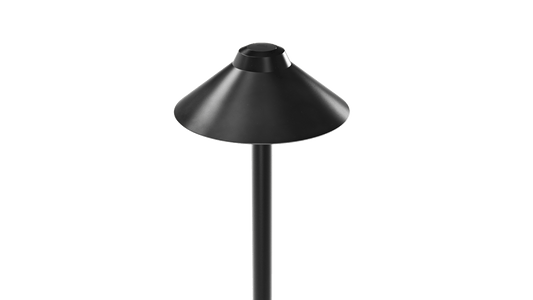

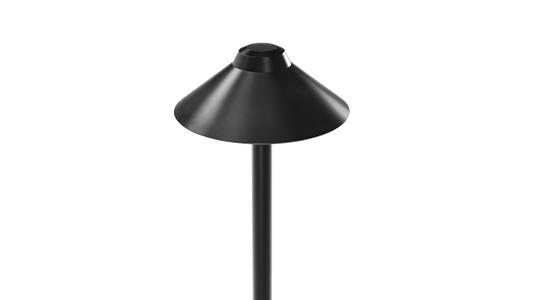
in-lite NAIL or NAIL LOW: which height should you choose?
Both bollards provide the same soft, diffused lighting style, so the choice mainly depends on the surrounding planting and available soil depth.
-
in-lite NAIL LOW - 455 mm
Best for shallow borders, raised beds, and locations with limited soil depth, such as balconies and roof terraces. Its shorter ground stake makes installation possible where less depth is available. -
in-lite NAIL - 610 mm
Better for paths, driveways, lawns, and deeper borders. The higher light position works well around fuller planting, while the longer ground stake provides firmer placement in soil and gravel.
Why choose the in-lite NAIL series?
-
Soft, comfortable illumination
The wide circular shade keeps the light source out of direct view and distributes the light gently around and below the fixture. -
Designed for paths and planting
The NAIL provides subtle orientation lighting while softly illuminating nearby borders, plants, and garden edges. -
High colour rendering
With a CRI of 96, the light reproduces the colours of plants, flowers, and surrounding materials naturally. -
Ground stake included
Both models come with a ground stake for placement in soft ground.
Buy the in-lite NAIL at Gardenlightsstore.com
Explore the in-lite NAIL collection at Gardenlightsstore.com. With over 20 years of experience with in-lite, our lighting specialists can help you choose between the NAIL and the NAIL LOW and advise on positioning the bollards within your 12V garden lighting plan.
Orders over €100 qualify for free shipping across the EU, and all products come with a 5-year warranty.
Frequently asked questions
How do I make a lighting plan for my garden?
A garden lighting plan is a simple sketch that shows where every outdoor light will be installed before you buy any fixtures. A good lighting plan improves safety, highlights key features such as trees and pathways, and helps you choose the correct transformer and number of fixtures. Most gardens can be planned in five simple steps and within an hour.
Can I install in-lite garden lighting myself?
Yes. The in-lite 12V system is designed for easy installation without any specialist knowledge. Using Easy-Lock connectors, most homeowners can install or expand their lighting system themselves. Always follow the installation instructions and ensure the transformer is installed in a dry, well-ventilated location.
Can one faulty fixture affect the rest of my garden lighting?
In most cases, a single faulty fixture will not stop the rest of the system from working. However, a damaged cable or an incorrectly installed connector can affect multiple fixtures connected to the same cable. Checking the system step by step will help you locate the issue easily.
Does an in-lite ground cable need to be buried?
An in-lite ground cable can be safely concealed beneath a layer of soil. Because the in-lite system operates on 12V low voltage, the cable does not need to be installed like a conventional 230V electrical cable. Always follow the official in-lite instructions when routing and concealing the cable in your garden.
Which in-lite bollard is best for a pathway?
The best in-lite bollard for a garden path depends on the lighting effect, fixture height and design you prefer. The ACE, EVO and NAIL provide more directed orientation lighting, while the DISC and LIV spread light around the fixture and onto the surrounding ground. Consider how much of the path you want to illuminate and how visible you want the fixture to be during the day.
How do I choose the right height for an in-lite bollard?
Choose the height of your bollard according to its surroundings and the role you want it to play in the garden. Lower models work well beside low planting and where you want the fixture to remain discreet, while taller bollards can remain more visible among higher planting. Several in-lite series are available in different heights, allowing you to use a consistent design across different parts of the garden.
How far apart should bollards be placed?
There is no single spacing that works for every garden. The right distance between bollards depends on the fixture's light distribution and height, the layout of the path or border and the lighting effect you want to create. Rather than spacing every fixture equally, position bollards where they help define the route and test the lighting effect after dark before finalising the installation. Try experimenting with a smaller amount of fixtures first before adding more.
How do I make my garden feel warm and inviting with lighting?
Use warm white light (2700K to 3000K) and combine lighting at different heights to create a welcoming atmosphere. Add soft light around seating areas, use directional lighting to highlight selected plants or trees, and leave some areas darker. This balance of light and shadow creates depth and prevents the garden from looking uniformly lit.
Should garden lighting be symmetrical?
Not necessarily. Asymmetrical lighting often creates a more natural and layered effect, particularly around planting, trees, and informal garden paths. Symmetrical lighting can work well around formal entrances, façades, or straight paths where a balanced appearance suits the architecture and garden design.