
in-lite FUSION
-
in-lite | FUSION 22 Black | Infällda lampor
Ordinarie pris 785,00 krOrdinarie pris -
in-lite | FUSION 22 Pearl Grey | Infällda lampor
Ordinarie pris 785,00 krOrdinarie pris -
in-lite | FUSION 22 Stainless Steel | Infällda lampor
Ordinarie pris 785,00 krOrdinarie pris -
in-lite | FUSION 22 SHIELD Svart | Infällda lampor
Ordinarie pris 841,00 krOrdinarie pris -
in-lite | FUSION 22 SHIELD Pärlgrå | Infällda lampor
Ordinarie pris 841,00 krOrdinarie pris -
in-lite | FUSION 22 SHIELD Rostfritt stål | Infällda lampor
Ordinarie pris 841,00 krOrdinarie pris -
in-lite | FUSION 60 Black | Infällda lampor
Ordinarie pris 1 223,00 krOrdinarie pris -
in-lite | FUSION 60 Pearl Grey | Infällda lampor
Ordinarie pris 1 223,00 krOrdinarie pris -
in-lite | FUSION 60 Stainless Steel | Infällda lampor
Ordinarie pris 1 223,00 krOrdinarie pris -
in-lite | FUSION 22 | Markspotlight
Ordinarie pris 673,00 krOrdinarie pris -
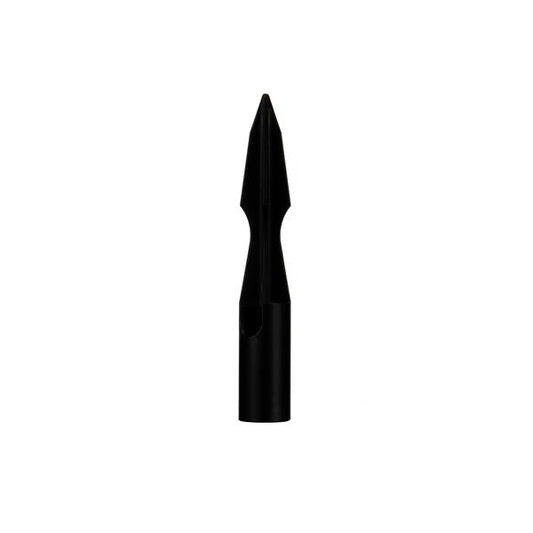
in-lite | SPIKE 22 | Tillbehör
Ordinarie pris 85,00 krOrdinarie pris -
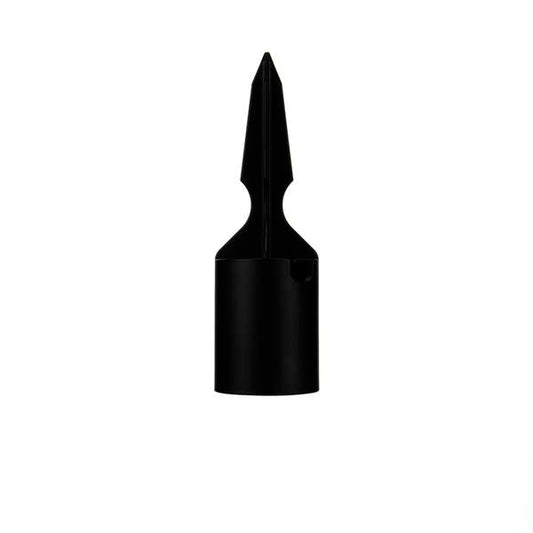
in-lite | SPIKE 60 | Tillbehör
Ordinarie pris 107,00 krOrdinarie pris

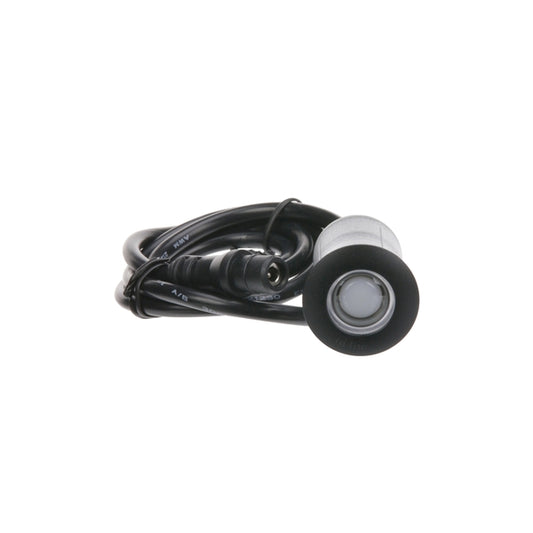

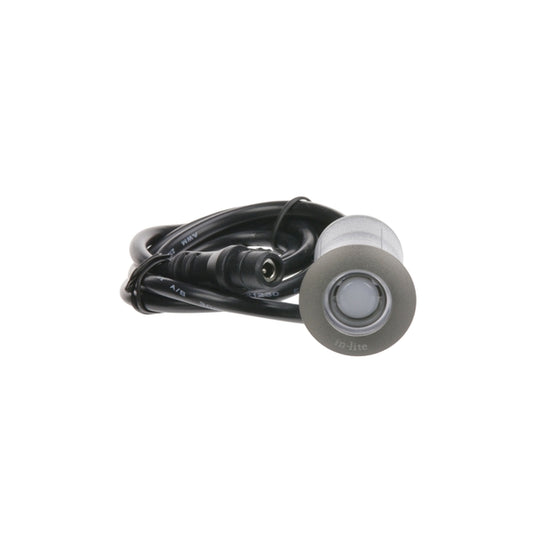

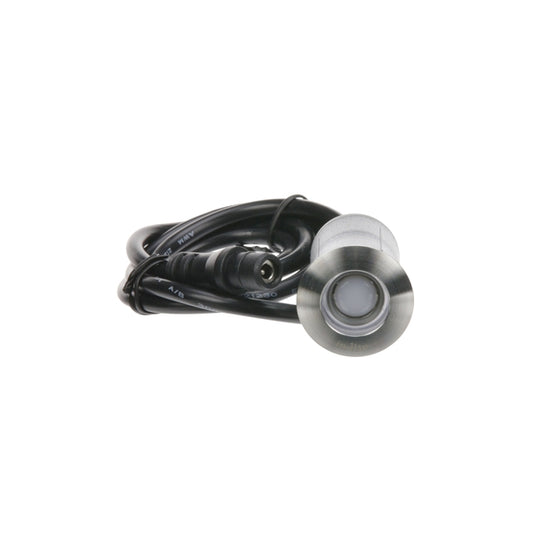

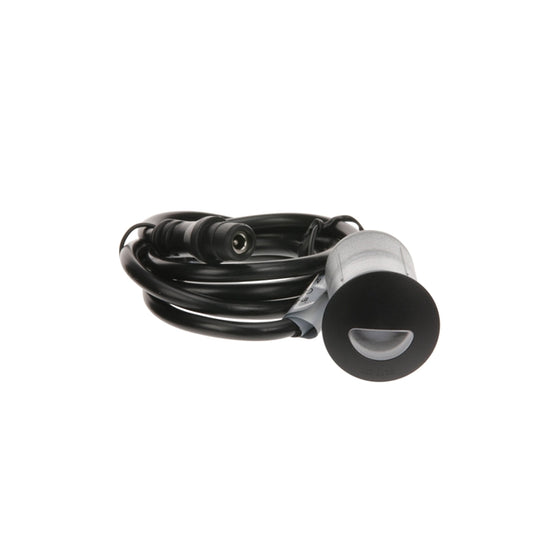

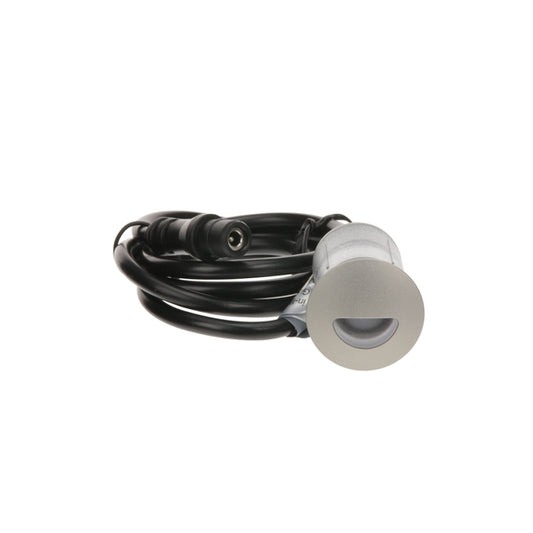

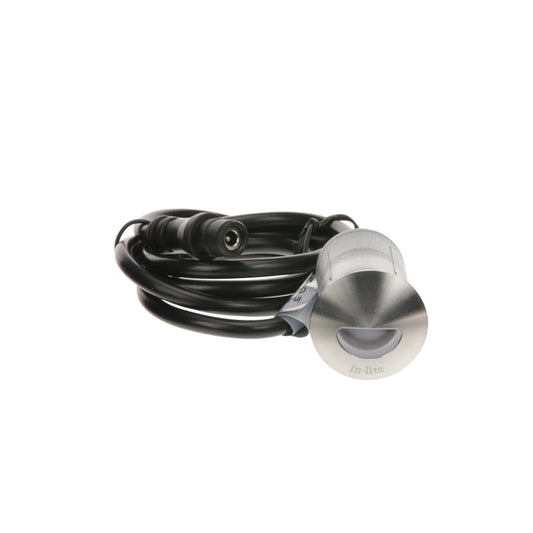

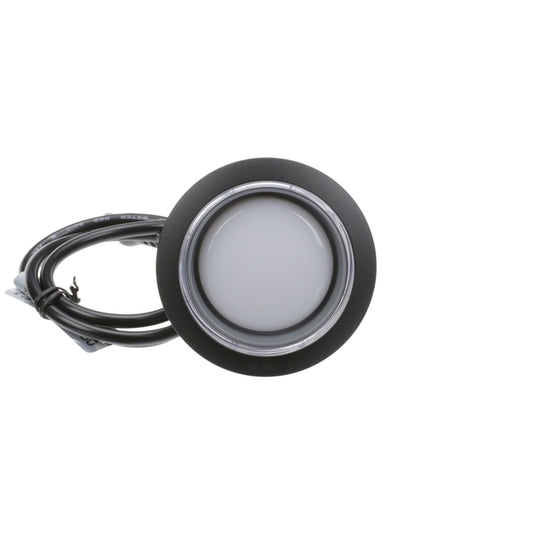

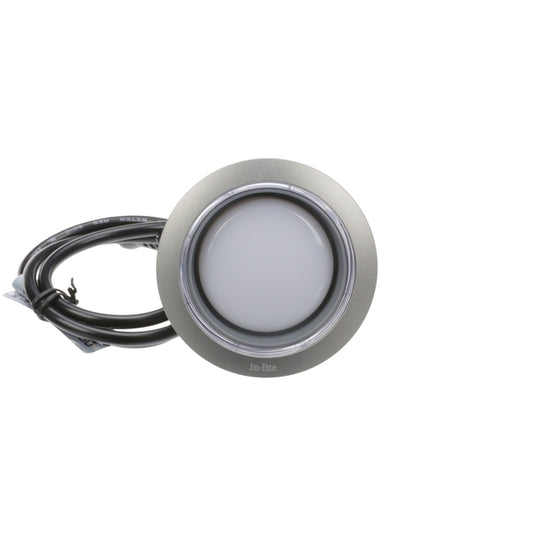

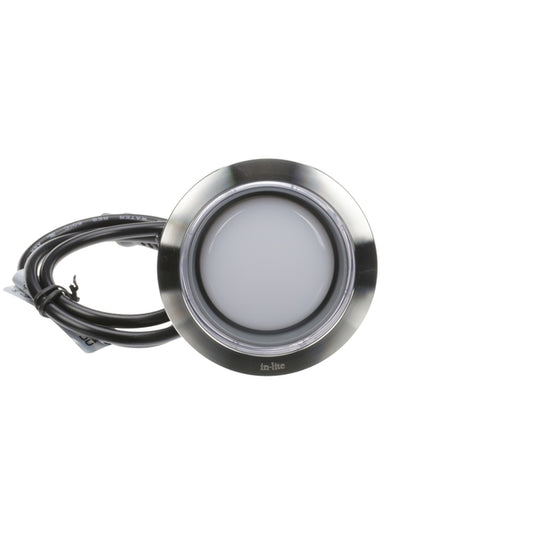

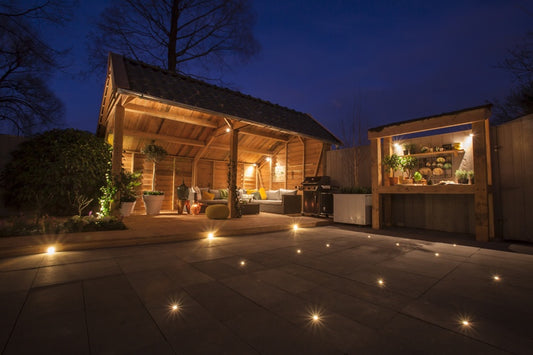


Tre distinkta versioner av in-lite FUSION
AI-översatt text
in-lite FUSION-serien är designad för att enkelt kunna kombineras inom en och samma belysningsplan. Armaturerna finns i tre versioner:
- in-lite FUSION 22
En kompakt och energieffektiv markspot med ett mjukt, varmt sken. Armaturen har en diameter på 22 mm och är idealisk för subtil orienteringsbelysning. - in-lite FUSION 22 RVS
Liknande FUSION 22, men med en ring i rostfritt stål för ett mer definierat och elegant utseende. - in-lite FUSION 60
En större modell med en diameter på 60 mm, som ger mer ljus och förbättrad synlighet. Detta gör den lämplig för områden som kräver starkare ledljus.
Enkel installation med in-lite-systemet
En av de största fördelarna med in-lite FUSION är dess mångsidighet. Dessa markspotar kan monteras i olika ytor, inklusive stenplattor och trädäck. Tack vare in-lite Easy-Lock-systemet kan du själv koppla och placera armaturerna utan behov av elektriker. 12V lågvoltssystemet säkerställer en säker och enkel installation, lämplig för alla trädgårdar.
Beställ din in-lite FUSION på Gardenlightsstore.com
Övertygad om in-lite FUSION? Beställ dina infällda lampor idag på Gardenlightsstore.com, din pålitliga online-specialist för in-lite trädgårdsbelysning. Lägg enkelt till dina favoritmodeller i kundvagnen och slutför din beställning säkert online. Dra nytta av fri frakt på beställningar över 100 € och en femårig in-lite-garanti på alla armaturer. Upptäck de många möjligheterna för din trädgård med in-lite trädgårdsbelysning.
Frequently asked questions
Hur gör jag en ljusplan för min trädgård?
En trädgårdsbelysningsplan är en enkel skiss som visar var varje utomhuslampa ska installeras innan du köper några armaturer. En bra belysningsplan förbättrar säkerheten, framhäver viktiga detaljer som träd och gångvägar, och hjälper dig att välja rätt transformator och antal armaturer. De flesta trädgårdar kan planeras i fem enkla steg och inom en timme.
Läs mer: Hur man skapar en belysningsplan för din trädgård →
Hur många trädgårdslampor behöver jag?
Detta beror i hög grad på storleken på din trädgård, antalet inslag (väggar, träd, rabatter osv.) och dina preferenser. I de flesta medelstora trädgårdar används mellan 8 och 15 armaturer, fördelade mellan funktionell och stämningsskapande belysning. Större trädgårdar behöver ofta fler. Du kan alltid börja med att köpa ett mindre antal armaturer för att se hur de ser ut och sedan komplettera med fler senare.
Hur väljer jag rätt transformator för min trädgårdsbelysning?
Rätt transformator beror på det totala antal VA som din trädgårdsbelysning kräver. Lägg ihop VA-värdet för alla armaturer i din belysningsplan och välj en in-lite-transformator med tillräcklig kapacitet. Namnen anger praktiskt nog deras maximala VA (HUB 75 = 75 VA, SMART HUB 150 = 150 VA). Glöm inte att lämna utrymme för framtida utbyggnad. Då slipper du besväret med att behöva byta ut transformatorn i framtiden.
Kan en defekt armatur påverka resten av min trädgårdsbelysning?
I de flesta fall kommer en enskild defekt armatur inte att hindra resten av systemet från att fungera. En skadad kabel eller en felaktigt installerad kontakt kan dock påverka flera armaturer som är anslutna till samma kabel. Genom att kontrollera systemet steg för steg blir det lättare att hitta problemet.
Hur många in-lite-lampor kan jag ansluta till en transformator?
Det finns inget fastställt antal in-lite-lampor som du kan ansluta till en transformator. Begränsningen beror på armaturernas sammanlagda VA snarare än på antalet lampor. Lägg ihop VA för alla anslutna armaturer och se till att totalen håller sig under den maximala VA-kapaciteten för din HUB eller SMART HUB.
Vad är skillnaden mellan en smal och en bred spotlightstråle?
En smal ljusstråle koncentrerar ljuset till ett mindre område, vilket gör den lämplig för att framhäva en specifik detalj mer exakt. En bredare ljusstråle sprider ljuset över ett större område och kan belysa mer av ett träd, en växt eller något annat inslag i trädgården. Den bästa ljusstrålen beror på detaljens storlek och form samt vilken effekt du vill skapa.
Hur långt ifrån varandra bör jag placera infällda in-lite-lampor?
För gångstigar och gångvägar är ett avstånd på cirka 2 till 3 meter mellan infällda armaturer en bra utgångspunkt. Placera armaturerna tätare vid trappsteg, hörn och nivåskillnader där tydligare orientering behövs. Det idealiska avståndet beror i slutändan på in-lite-armaturen, dess ljusfördelning och den effekt du vill skapa. Planera och testa placeringarna innan du gör permanenta öppningar och fattar slutgiltiga beslut.
Bör trädgårdsbelysning vara symmetrisk?
Inte nödvändigtvis. Asymmetrisk belysning skapar ofta en mer naturlig effekt med flera lager, särskilt runt planteringar, träd och informella trädgårdsgångar. Symmetrisk belysning kan fungera bra vid formella entréer, fasader eller raka gångar där ett balanserat utseende passar arkitekturen och trädgårdsdesignen.