
in-lite FUSION
-
in-lite | FUSION 22 Black | Recessed lights
Vanlig pris 777,00 krVanlig pris -
in-lite | FUSION 22 Pearl Grey | Recessed lights
Vanlig pris 777,00 krVanlig pris -
in-lite | FUSION 22 Stainless Steel | Recessed lights
Vanlig pris 777,00 krVanlig pris -
in-lite | FUSION 22 SHIELD Black | Recessed lights
Vanlig pris 833,00 krVanlig pris -
in-lite | FUSION 22 SHIELD Pearl Grey | Recessed lights
Vanlig pris 833,00 krVanlig pris -
in-lite | FUSION 22 SHIELD Stainless Steel | Recessed lights
Vanlig pris 833,00 krVanlig pris -
in-lite | FUSION 60 Black | Recessed lights
Vanlig pris 1.210,00 krVanlig pris -
in-lite | FUSION 60 Pearl Grey | Recessed lights
Vanlig pris 1.210,00 krVanlig pris -
in-lite | FUSION 60 Stainless Steel | Recessed lights
Vanlig pris 1.210,00 krVanlig pris -
in-lite | FUSION 22 | Innfelte lys
Vanlig pris 666,00 krVanlig pris -
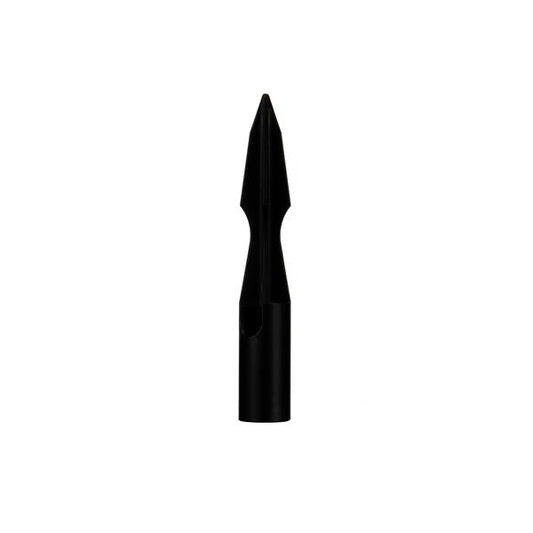
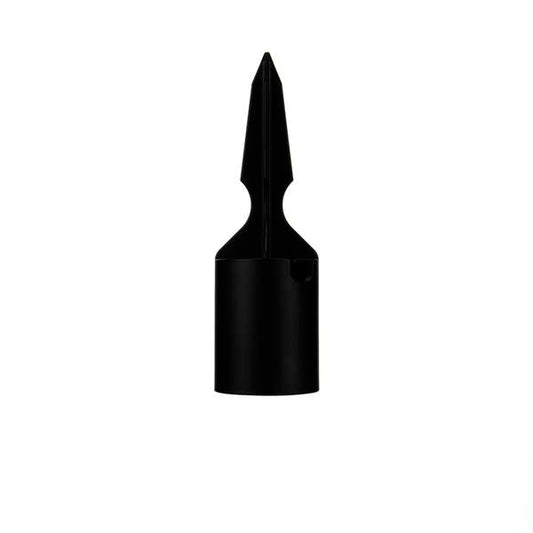
in-lite | SPIKE 22
Vanlig pris 84,00 krVanlig pris -
in-lite | SPIKE 60
Vanlig pris 106,00 krVanlig pris

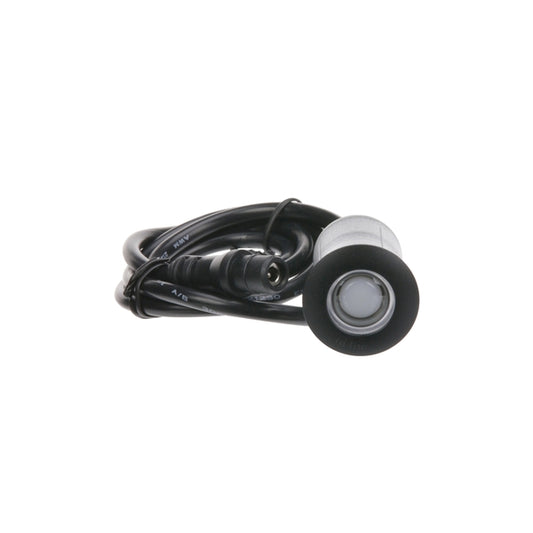

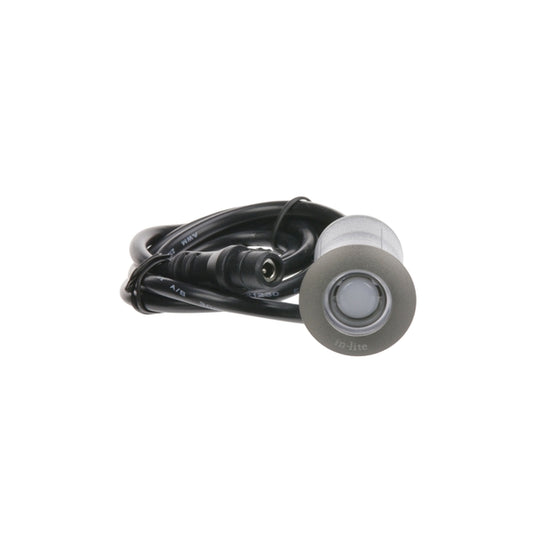

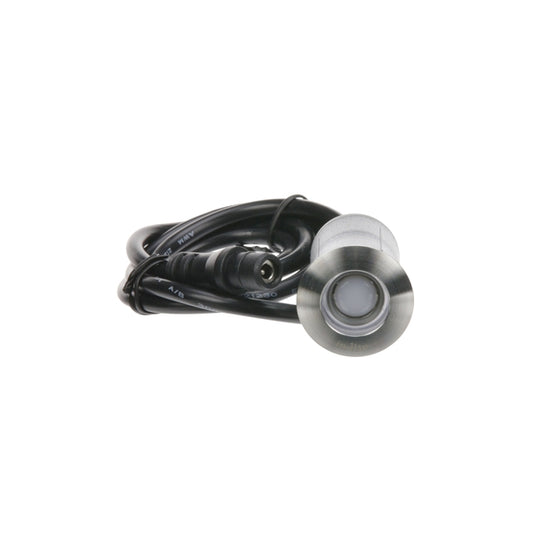

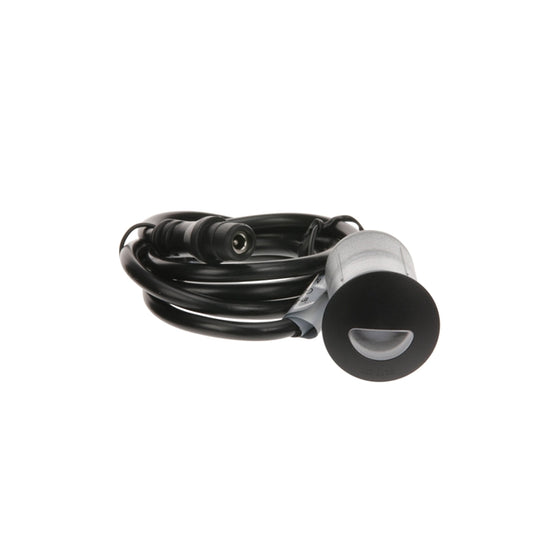

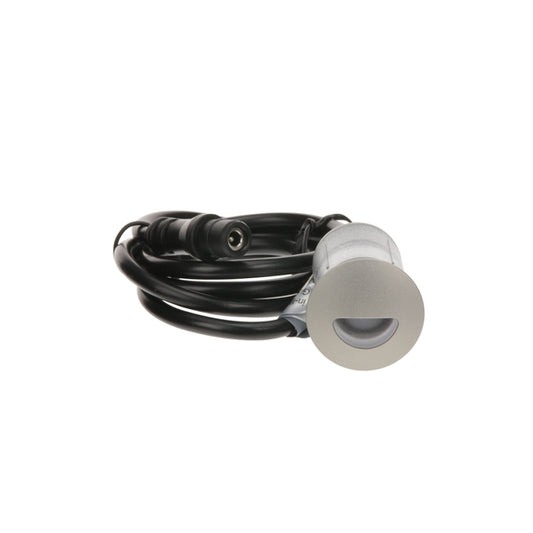

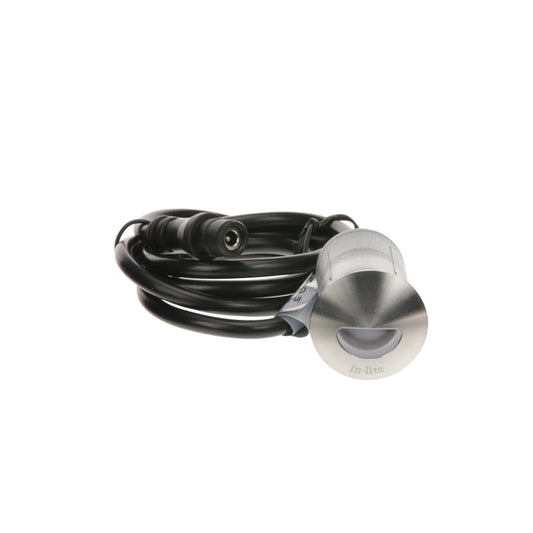

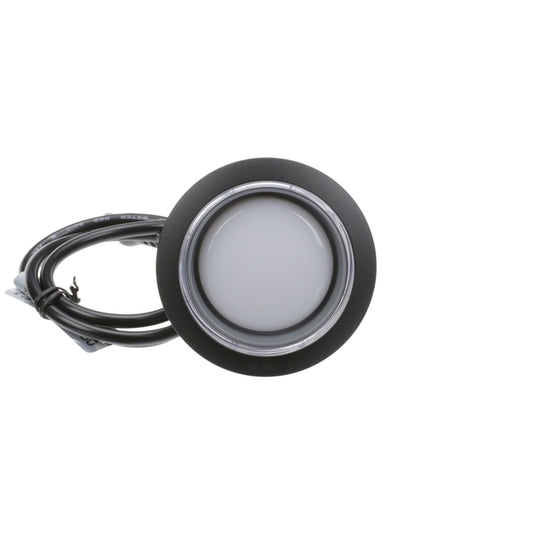

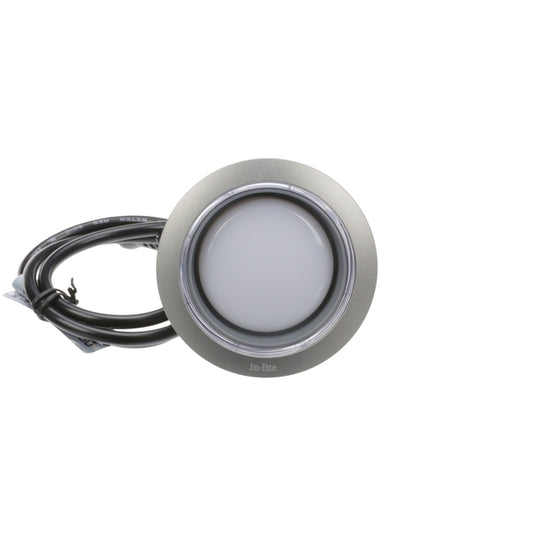

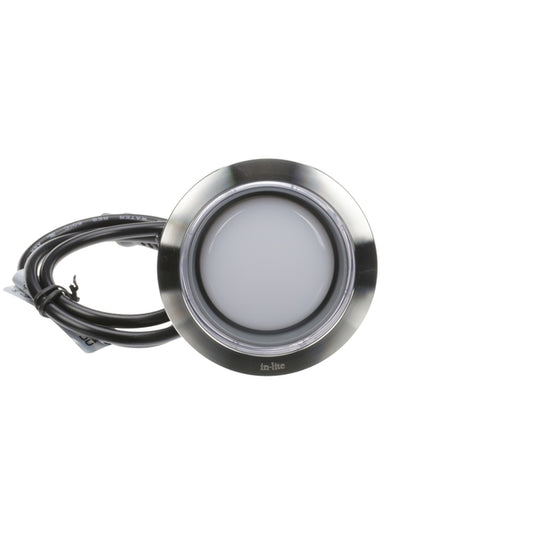

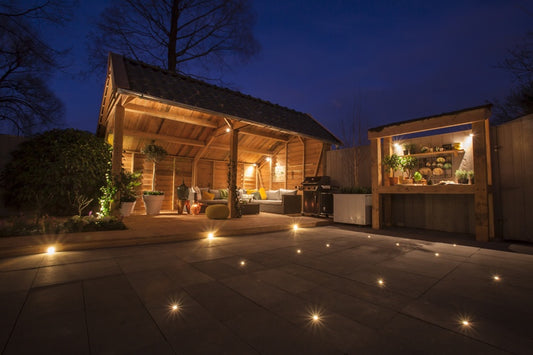


Tre distinkte versjoner av in-lite FUSION
AI oversatt
in-lite FUSION-serien er designet for å kunne kombineres enkelt i én belysningsplan. Armaturene finnes i tre versjoner:
- in-lite FUSION 22
En kompakt og energieffektiv markspot med et mykt, varmt lys. Armaturen har en diameter på 22 mm og er ideell for subtil orienteringsbelysning. - in-lite FUSION 22 RVS
Ligner på FUSION 22, men med en rustfri stålring for et mer definert og elegant utseende. - in-lite FUSION 60
En større modell med en diameter på 60 mm, som gir mer lysstyrke og bedre synlighet. Dette gjør den egnet for områder som krever sterkere veiledningsbelysning.
Enkel installasjon med in-lite-systemet
En av hovedfordelene med in-lite FUSION er dens allsidighet. Disse markspottene kan monteres i ulike overflater, inkludert belegningsstein og treterrasse. Takket være in-lite Easy-Lock-systemet kan du koble til og plassere armaturene selv, uten behov for elektriker. 12V lavvolt-systemet sikrer en trygg og enkel installasjon, egnet for enhver hage.
Bestill din in-lite FUSION hos Gardenlightsstore.com
Overbevist av in-lite FUSION? Bestill dine innfelte lamper i dag hos Gardenlightsstore.com, din pålitelige nettspesialist på in-lite hagebelysning. Legg enkelt dine foretrukne modeller i handlekurven og fullfør bestillingen sikkert på nett. Dra nytte av gratis frakt på bestillinger over €100 og fem års in-lite garanti på alle armaturer. Oppdag de mange mulighetene for hagen din med in-lite hagebelysning.
Frequently asked questions
How do I make a lighting plan for my garden?
A garden lighting plan is a simple sketch that shows where every outdoor light will be installed before you buy any fixtures. A good lighting plan improves safety, highlights key features such as trees and pathways, and helps you choose the correct transformer and number of fixtures. Most gardens can be planned in five simple steps and within an hour.
How many garden lights do I need?
This very much depends on the size of your garden, the number of features (walls, trees, borders, etc.), and your preferences. Most medium-sized gardens use somewhere between 8 and 15 fixtures, split between functional and atmospheric lighting. Larger gardens often need more. You can always buy a smaller amount of fixtures first to test how they look and then expand with more later.
How do I choose the right transformer for my garden lighting?
The right transformer depends on the total VA required by your garden lighting. Add together the VA rating of all the fixtures in your lighting plan and choose an in-lite transformer with sufficient capacity. Conveniently, the names correspond to their maximum VA (HUB 75 = 75 VA, SMART HUB 150 = 150 VA). Don't forget to allow some room for future expansion. This avoids the hassle of having to replace the transformer in the future.
Can one faulty fixture affect the rest of my garden lighting?
In most cases, a single faulty fixture will not stop the rest of the system from working. However, a damaged cable or an incorrectly installed connector can affect multiple fixtures connected to the same cable. Checking the system step by step will help you locate the issue easily.
How many in-lite lights can I connect to one transformer?
There is no fixed number of in-lite lights you can connect to one transformer. The limit depends on the combined VA of the fixtures rather than the number of lights. Add together the VA of all connected fixtures and make sure the total remains below the maximum VA capacity of your HUB or SMART HUB.
What is the difference between a narrow and wide spotlight beam?
A narrow beam concentrates light on a smaller area, making it suitable for highlighting a specific feature more precisely. A wider beam spreads the light across a larger area and can illuminate more of a tree, plant or other garden feature. The best beam depends on the size and shape of the feature and the effect you want to create.
How far apart should I place in-lite recessed lights?
For paths and walkways, a spacing of around 2 to 3 metres between recessed lights is a useful starting point. Place fixtures closer together around steps, corners, and changes in level where clearer orientation is needed. The ideal spacing ultimately depends on the in-lite fixture, its light distribution, and the effect you want to create. Plan and test the positions before making permanent openings and decisions.
Should garden lighting be symmetrical?
Not necessarily. Asymmetrical lighting often creates a more natural and layered effect, particularly around planting, trees, and informal garden paths. Symmetrical lighting can work well around formal entrances, façades, or straight paths where a balanced appearance suits the architecture and garden design.