
in-lite PUCK
-
in-lite | PUCK 22 Dark | Einbauleuchten
Normaler Preis €73,76Normaler Preis -
in-lite | PUCK 22 Pearl Grey | Einbauleuchten
Normaler Preis €73,76Normaler Preis -
in-lite | PUCK Dark | Einbauleuchten
Normaler Preis €126,87Normaler Preis -
in-lite | PUCK Pearl Grey | Einbauleuchten
Normaler Preis €126,87Normaler Preis -
in-lite | SPIKE 22 | Zubehör
Normaler Preis €7,38Normaler Preis -
in-lite | SPIKE 60 | Zubehör
Normaler Preis €9,34Normaler Preis

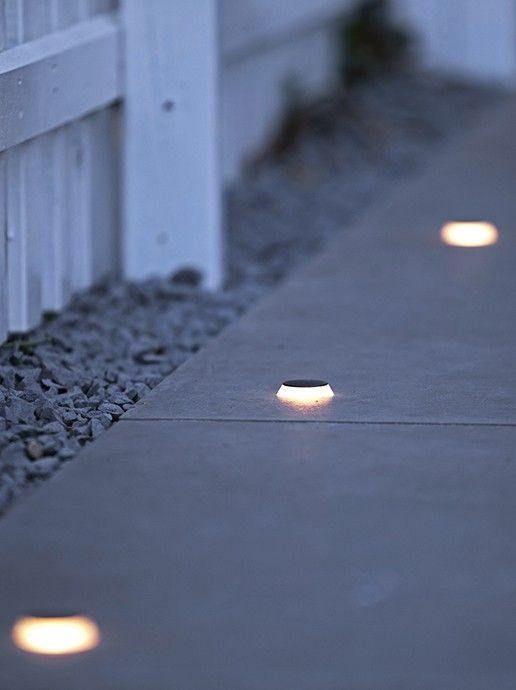

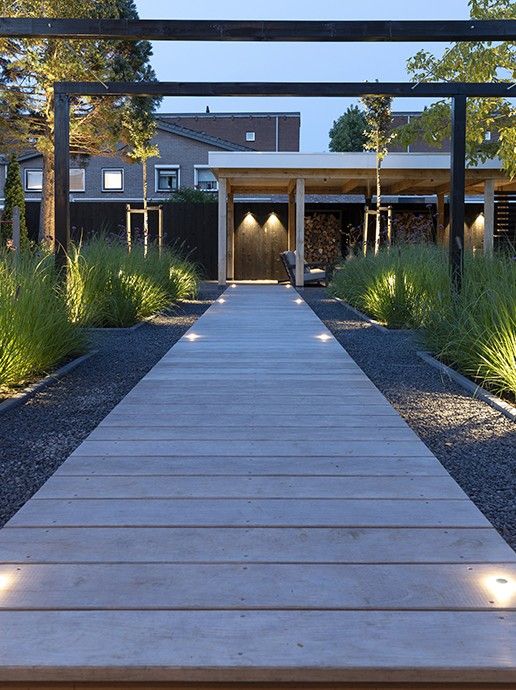

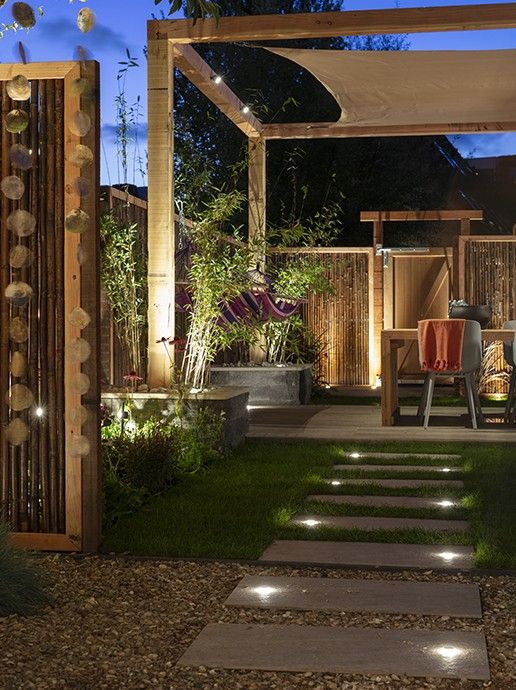

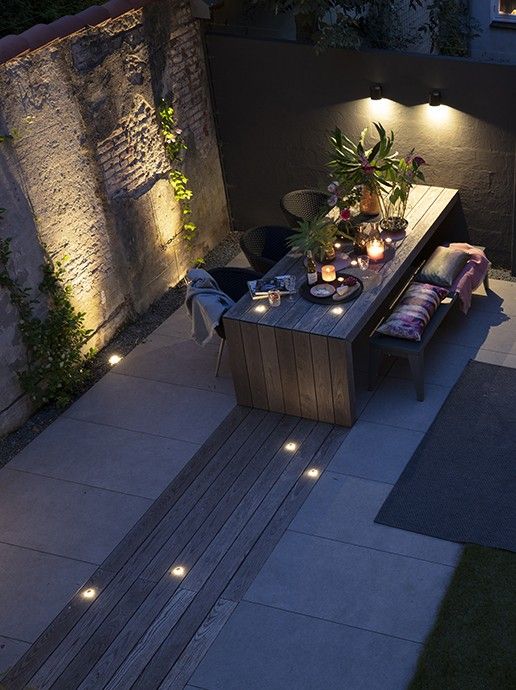

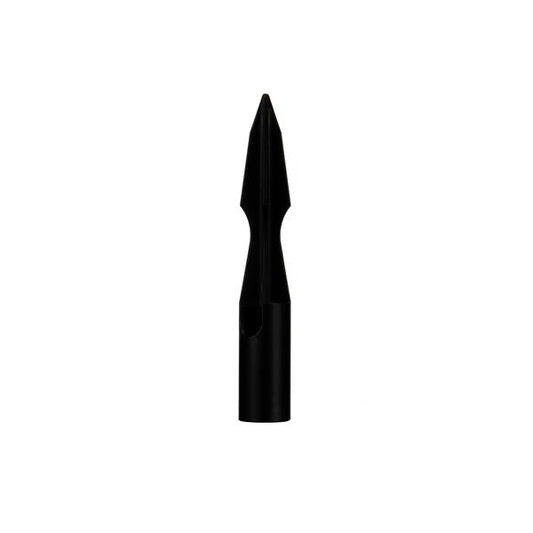

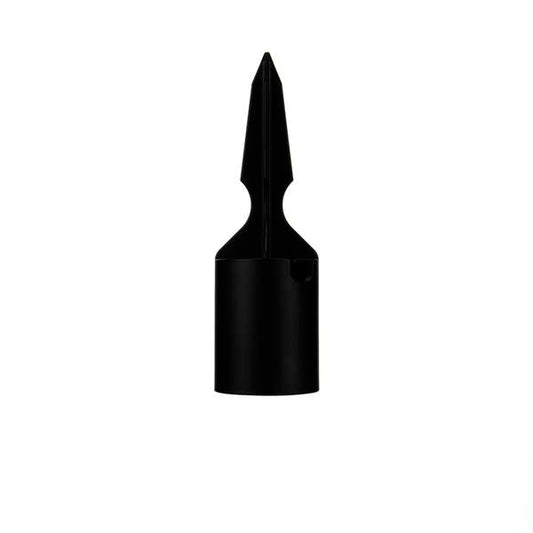
in-lite PUCK oder PUCK 22: Welches Modell sollten Sie wählen?
Beide Modelle erzeugen eine sanfte Orientierungsbeleuchtung mit einer Lichtreichweite von etwa 0,25 Metern. Der Hauptunterschied liegt in ihrer Größe und visuellen Präsenz: Der PUCK 22 erzeugt einen besonders dezenten Lichtpunkt, während der größere PUCK im Boden auffälliger ist.
| in-lite Modell | Sichtbare Größe | Lichteffekt | Am besten geeignet für |
|---|---|---|---|
| in-lite PUCK 22 | Ø22 mm | Sehr dezentes, sanftes 360°-Licht | Wege, Stufen, Terrassenbeläge und Terrassen |
| in-lite PUCK | Ø86 mm | Auffälligeres, sanftes 360°-Licht | Zufahrten, Wege, Terrassen und Stufen |
Warum sollten Sie sich für die in-lite PUCK-Serie entscheiden?
-
Sanfte, blendfreie 360°-Beleuchtung
Das pilzförmige Design verteilt warmes Licht rund um die Leuchte und hält die Lichtquelle zugleich aus dem direkten Blickfeld. -
Wahl zwischen dezenten und auffälligeren Lichtpunkten
Der PUCK 22 erzeugt eine dezente Markierung, während der größere PUCK auf der Oberfläche stärker ins Auge fällt. -
Für die Orientierungsbeleuchtung entwickelt
Das sanfte, niedrig positionierte Licht eignet sich ideal zur Markierung von Wegen, Zufahrten, Terrassen, Stufen und Terrassenbelägen, ohne einen konzentrierten Lichtkegel zu erzeugen. -
Zwei aufeinander abgestimmte Ausführungen
Sowohl der PUCK als auch der PUCK 22 sind in Dark und Pearl Grey erhältlich. -
Installation in weichem Untergrund mit einem SPIKE
Verwenden Sie den SPIKE 22 mit dem PUCK 22 oder den SPIKE 60 mit dem PUCK, um die Leuchte in Erde, Beeten und anderen weichen Oberflächen zu installieren.
Kaufen Sie den in-lite PUCK bei Gardenlightsstore.com
Entdecken Sie die komplette in-lite PUCK-Kollektion bei Gardenlightsstore.com. Mit über 20 Jahren Erfahrung mit in-lite können unsere Beleuchtungsspezialisten Sie bei der Wahl zwischen dem PUCK und dem PUCK 22 unterstützen und Sie zur Positionierung, zu Abständen und zur Installation in harten oder weichen Oberflächen beraten.
Bestellungen über 100 € erhalten kostenlosen Versand innerhalb der EU, und für alle Produkte gilt eine 5-jährige Garantie.
Frequently asked questions
How do I make a lighting plan for my garden?
A garden lighting plan is a simple sketch that shows where every outdoor light will be installed before you buy any fixtures. A good lighting plan improves safety, highlights key features such as trees and pathways, and helps you choose the correct transformer and number of fixtures. Most gardens can be planned in five simple steps and within an hour.
Read more: Wie man einen Beleuchtungsplan für seinen Garten erstellt →
What's the difference between functional and atmospheric lighting?
Functional lighting keeps you safe; think steps, doorways, and paths. Atmospheric lighting is there to set the mood, like a tree lit from below or a soft glow near your terrace.
How many garden lights do I need?
This very much depends on the size of your garden, the number of features (walls, trees, borders, etc.), and your preferences. Most medium-sized gardens use somewhere between 8 and 15 fixtures, split between functional and atmospheric lighting. Larger gardens often need more. You can always buy a smaller amount of fixtures first to test how they look and then expand with more later.
How many in-lite lights can I connect to one transformer?
There is no fixed number of in-lite lights you can connect to one transformer. The limit depends on the combined VA of the fixtures rather than the number of lights. Add together the VA of all connected fixtures and make sure the total remains below the maximum VA capacity of your HUB or SMART HUB.
How far apart should I place in-lite recessed lights?
For paths and walkways, a spacing of around 2 to 3 metres between recessed lights is a useful starting point. Place fixtures closer together around steps, corners, and changes in level where clearer orientation is needed. The ideal spacing ultimately depends on the in-lite fixture, its light distribution, and the effect you want to create. Plan and test the positions before making permanent openings and decisions.
How can I prevent atmospheric garden lighting from becoming too bright?
Use softer light where people sit or walk and reserve brighter accent lighting for selected focal points. Position directional fixtures carefully to keep direct light out of your line of sight, and leave darker areas between illuminated features. Dimmable or compatible smart fixtures can provide additional control over light intensity.
How do I make my garden feel warm and inviting with lighting?
Use warm white light (2700K to 3000K) and combine lighting at different heights to create a welcoming atmosphere. Add soft light around seating areas, use directional lighting to highlight selected plants or trees, and leave some areas darker. This balance of light and shadow creates depth and prevents the garden from looking uniformly lit.
Can I use another cable for in-lite garden lighting?
in-lite recommends using its own cables with in-lite garden lighting. The Easy-Lock contact points and cable guide are specifically designed for the dimensions and outer layer of in-lite cables, helping ensure proper contact and current conduction. Using a non-in-lite cable may also affect the manufacturer's warranty.